


On 3 September 2026, transgender man Akira Aramaki announced his candidacy for the mayoralty of Fukuoka, the largest city on the island of Kyushu. Running as a member of the Kokoro Party, he is the first transgender person to run for mayoral office in one of Japan’s designated cities.
Who Is Akira Aramaki?
Aramaki, 41, was born in Yanagawa City in Fukuoka Prefecture in 1985 and graduated from Saga University’s Faculty of Economics in 2008. He embarked on a career with the Fukuoka branch of the national recruitment corporation Recruit. He has since worked in the advertising and medical industries, and today he is an instructor at a private education organization.
Aramaki legally changed his gender in 2012 and is heavily involved in LGBTQ+ activism in Kyushu and further afield. He is the representative of the LGBTQ+ organization OVER THE RAINBOW, which raises LGBTQ+ awareness in Fukuoka, and is an executive committee member of Kyushu Rainbow Pride. He has also previously served as a board member of the non-profit organization Colorful Change Lab, which helps to get housing for LGBTQ+ people by working with individuals and real estate companies.
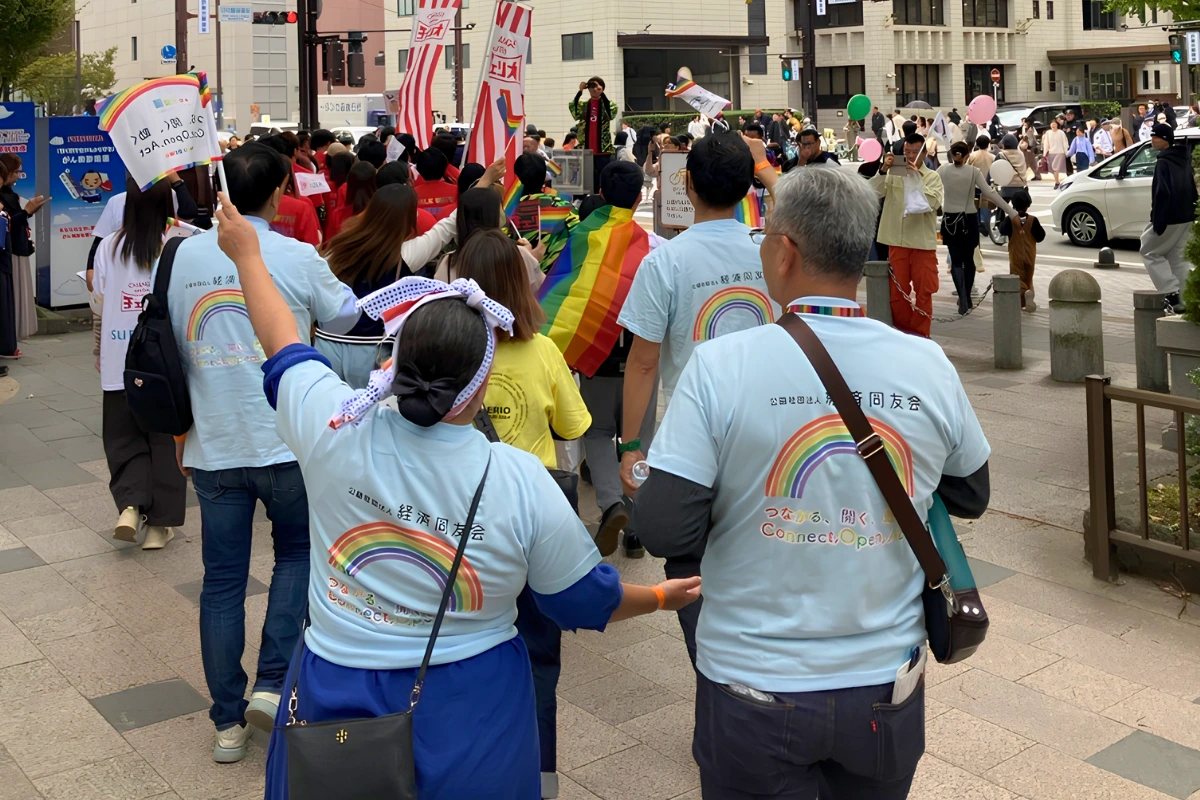
Aramaki has also published a book about his experiences, Until I, a Transgender Person, Came to Enlightenment. He has also given over 1,000 lectures on his struggles and victories as a transgender man.
In this election, Aramaki is running as a member of the Kokoro Party. The Kokoro Party centers much of its policies around the potential for people in the age of AI, especially concerning education. It believes that, with the advent of AI, a new form of education is needed for people to realize their true selves. This dovetails with Aramaki’s own experience in becoming his true self as a trans man.
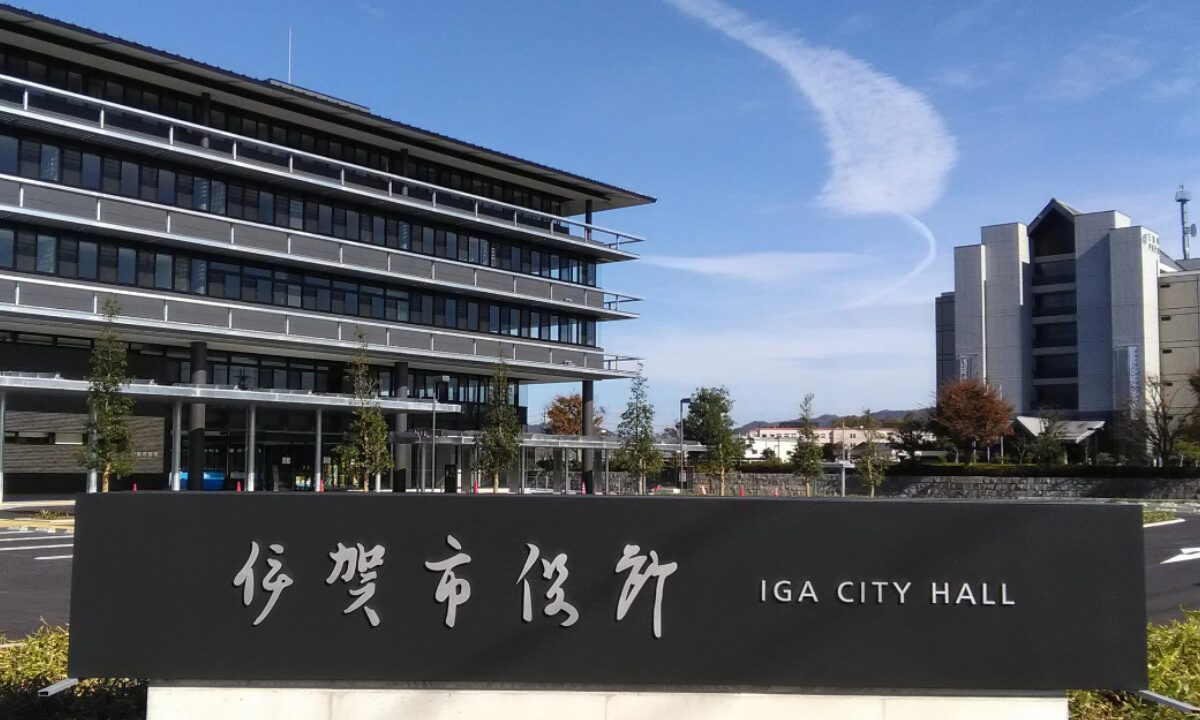
“I am a transgender person, a part of the sexual minority community,” he said outside Fukuoka City Hall. “I want to demonstrate the possibility that every single person can be the protagonist of their own life. From Fukuoka, I want to create entirely new forms of politics and industry centered on education.”
A Message from Akira Aramaki
Speaking exclusively to Japan Gay Guide, Aramaki discussed how his experience as a transgender man would be of benefit in his role as mayor.
“I believe that my experience living as a transgender man can be of great value in the role of mayor.
“One key aspect is the ability to notice issues that have previously been overlooked or remain invisible within society.
“I have lived my life feeling a sense of unease with things that society takes for granted as the “norm.” Because of this experience, I am able to pay attention to the struggles of those who find it difficult to speak up or who have fallen through the cracks of the system.
“I also believe it is crucial for public administration to avoid being bound by existing stereotypes and to maintain a mindset that questions whether the status quo is truly the only way things should be.
“Rather than viewing matters solely from one position or my own perspective, I strive to consider issues from multiple angles by stepping into the shoes of people from diverse backgrounds. I believe this mindset was cultivated through my experience of living as a transgender person.
“I intend to leverage these experiences not to create a “municipal administration for a select few,” but to enhance my ability to identify issues and formulate policies that improve the lives of all citizens.
“My goal is to make Fukuoka a city where everyone feels they truly belong — a place where they can say, “I have a right to be here.” I also aim to build an administration that sheds light on voices and possibilities that have previously gone unseen.”
The Road to the Election
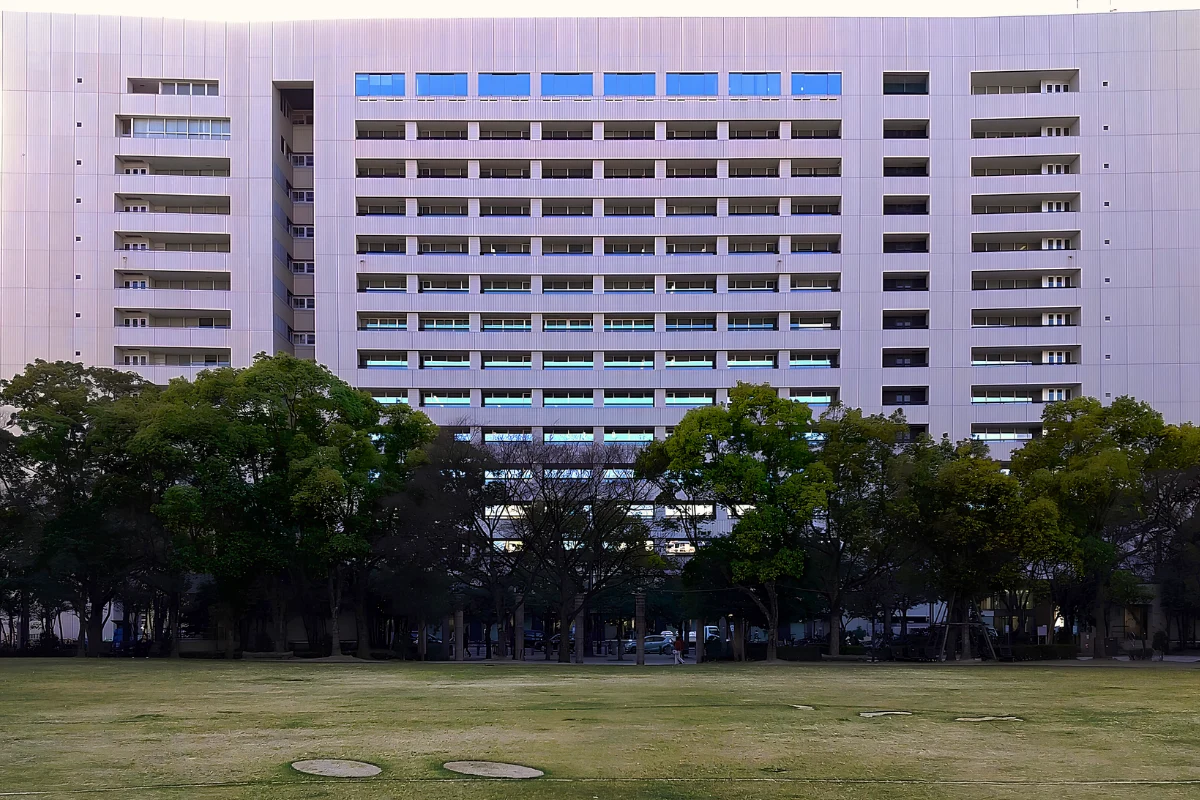
The incumbent mayor of Fukuoka, Soichiro Takashima, announced on 23 August that he would not be standing for re-election. Noting that nobody else had announced that they intended to run for the office at the time of this announcement, Takashima — who has served as mayor since 2010 — wrote, “we must be cautious about the same person continuing in office for a long time” on his Instagram.
He added, “I declare that I will step down. By doing so, I will create a path that makes it easier for someone else to step up and take on the challenge next.”
Takashima is notable in the Kyushu LGBTQ+ community for introducing the Partnership Oath System to Fukuoka in 2018, the second such designated city in Japan to do so. He was also a regular speaker at Kyushu Rainbow Pride.
The campaigning will begin on 1 November, and voting and counting will be done on 15 November, ready for the expiration of Takashima’s term on 6 December.
Transgender Politicians
Aramaki is the latest in a growing number of transgender individuals who have run for office in Japan. Earlier this year, Karen Yoda ran for the House of Representatives in Tokyo’s 25th district.
There are also many examples of victories for transgender politicians at the local level. Aya Kamikawa was elected to the Setagaya Ward Assembly in Tokyo in 2003. She was the only openly transgender elected official until 2017, when Tomoya Hosoda was elected to the city council of Iruma City, Saitama, making him the first elected trans man in Japan.
This increase should come as no surprise. As visibility for LGBTQ+ people in Japan increases, it is only sensible that more LGBTQ+ people are elected to office.
The Fukuoka mayoral election is scheduled for November 15, 2026. Please check the official information from the Fukuoka City Election Administration Commission for details regarding voting.
福岡市長選挙は2026年11月15日に予定されています。投票に関する情報は、福岡市選挙管理委員会の公式情報をご確認ください。