



In the west, particularly in the US and the UK, the participation of transgender people — and most notably trans women — in organisations or activities for women has become increasingly controversial. From the influence in politics of fifth-place and third-rate swimmer but first-class grifter Riley Gaines to the UK Supreme Court ruling in favor of unenforcible bathroom bans, things have been difficult for trans women in 2025.
In Japan, however, some progress is being made in the slow but steady acceptance of trans women in society. Most notably, Japanese women’s universities have become increasingly open to admitting trans women… and there could be more to come. Here’s the scoop!
Surveying Progress
The Mainichi Shimbun, one of Japan’s leading daily newspapers, conducted a survey this year of 60 all-women’s universities in Japan (as gender segregated universities are much more common in Japan than other G7 nations), and received feedback from 40.
The results revealed that of these universities, all of which offer four-year degrees, six currently accept trans women, with a seventh primed to do so soon. Additionally, a further 16 are considering accepting trans women as students — and five of these are “seriously considering it.”
Which Japanese Women’s Universities Accept Trans Women as Students?
So, who are these spectacular six (and soon to be magnificent seven) universities that accept trans women as students?
Ochanomizu University
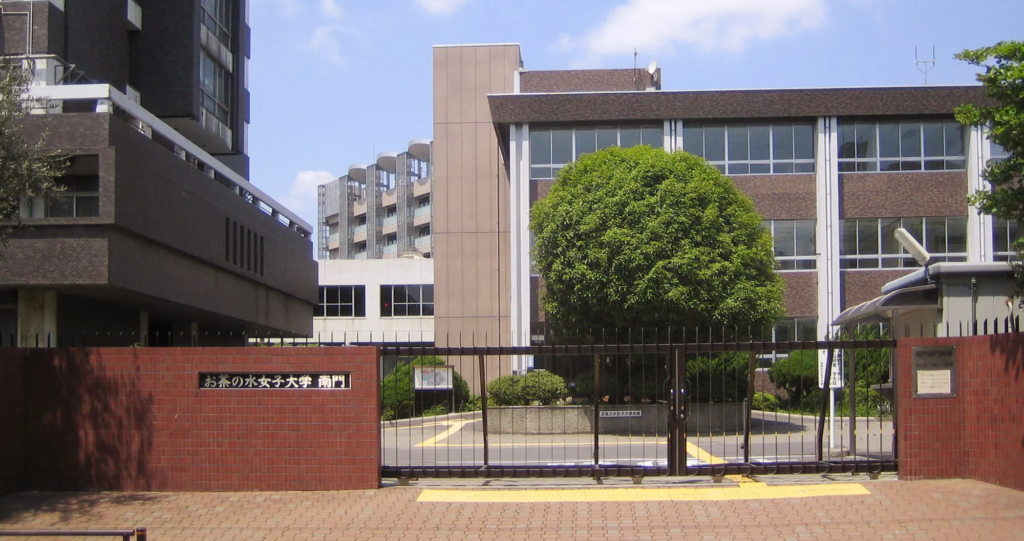
A national university whose origins trace back to 1875, this university in Bunkyo-ward was the first national institute of higher learning ever established in Japan. Today, it offers a number of undergraduate and graduate degrees in humanities and sciences, as well as educating the public in seminars in both English and Japanese, with a notable emphasis on the importance of feminism.
Nara Women’s University
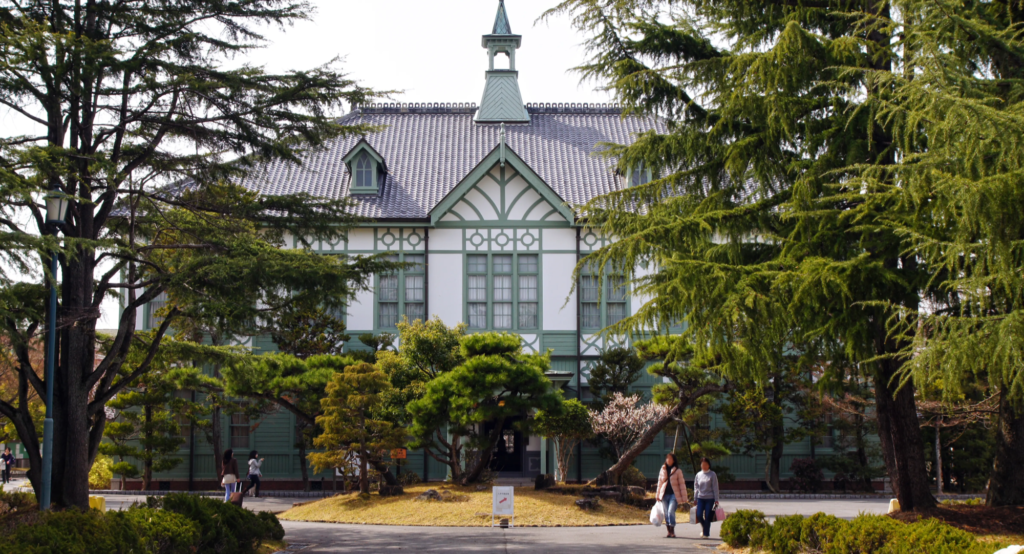
Based in Japan’s ancient capital, Nara Women’s University is the only other national women’s university in Japan. Founded in 1908, it not only comprises of a Faculty of Letters and a Faculty of Science, but also a Faculty of Human Life and Environment, which aims to improve society by studying the environment and current living suggestions in order to promote alternatives to both increase human happiness and make production sustainable.
Japan Women’s University
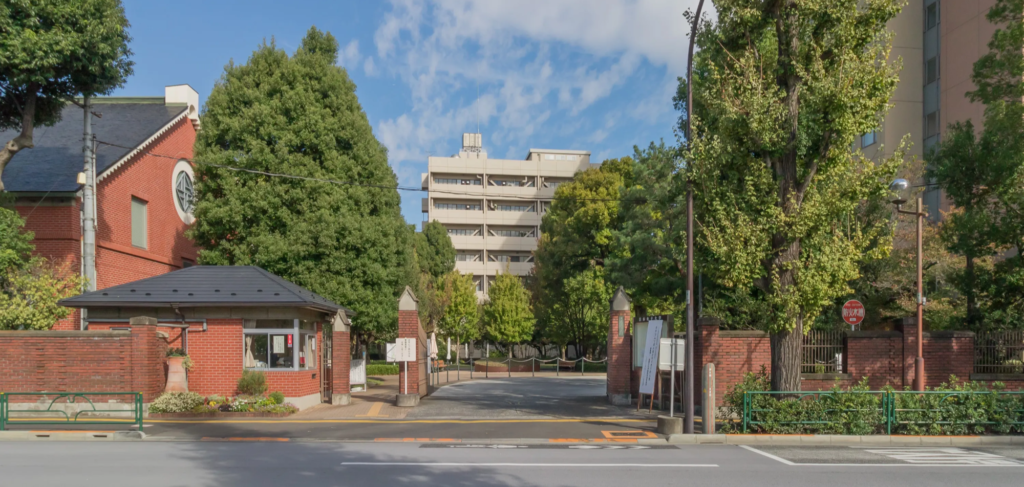
The largest private women’s university in Japan, with campuses in Bunkyo ward, Tokyo and Tama ward, it is also among the oldest, with its roots stretching back to 1901. With a focus on inculcating creativity, conviction, and service to the community, it has produced a number of dsitinguished alumni, including Rukimo Takahashi, the acclaimed manga creator whose work includes Urusei Yatsura, Maison Ikkoku, and Ranma 1/2.
Tsuda University
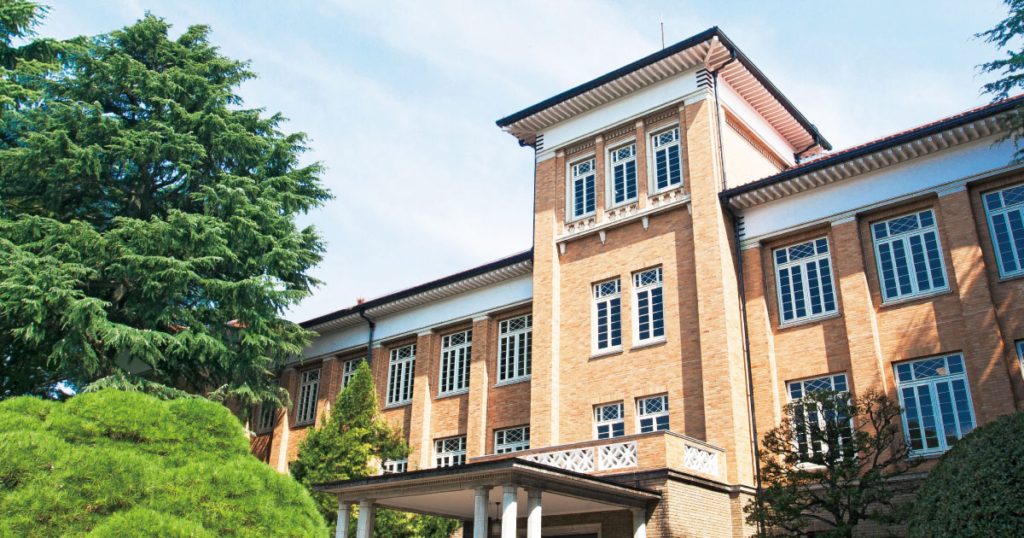
Founded by pioneering educator Umeko Tsuda in 1900, this university in Kodaira, Tokyo has an extensive history producing distinguished graduates, including Japan’s first woman chief cabinet secretary, first woman diplomat, and among the first woman lawyers. It prides itself on the diversity of education it provides to students, including frequent guest lectures from professionals and academics in a wide range of fields.
Miyagi Gakuin Women’s University
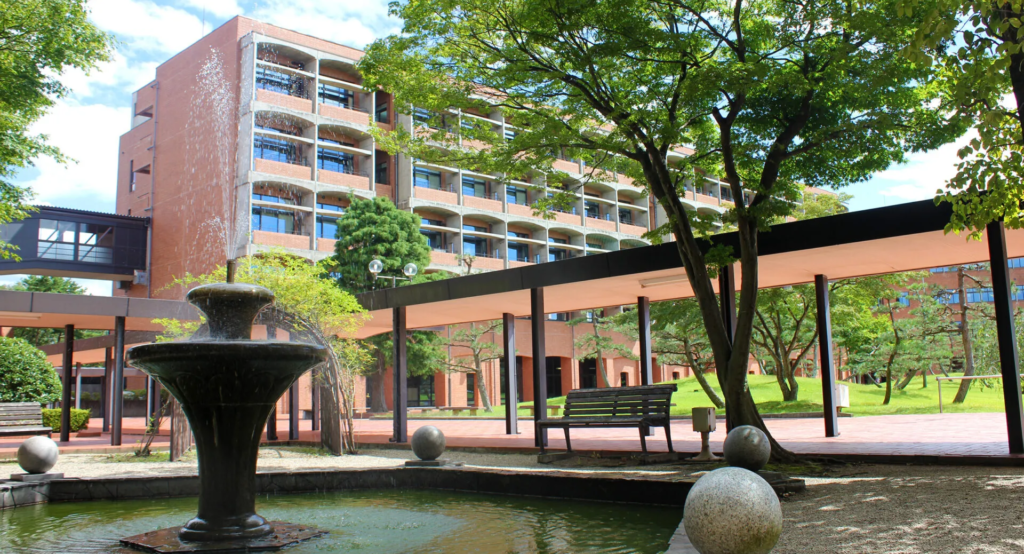
Founded in 1886 as a school for girls by Christian missionaries William Edwin Hoy and Masayoshi Oshikawa, this institution in Sendai, Miyagi prefecture, slowly grew into the renowned university that it is today. It retains its connection to the Christian faith, and students are encouraged to attend chapel.
Notre Dame Seishin University
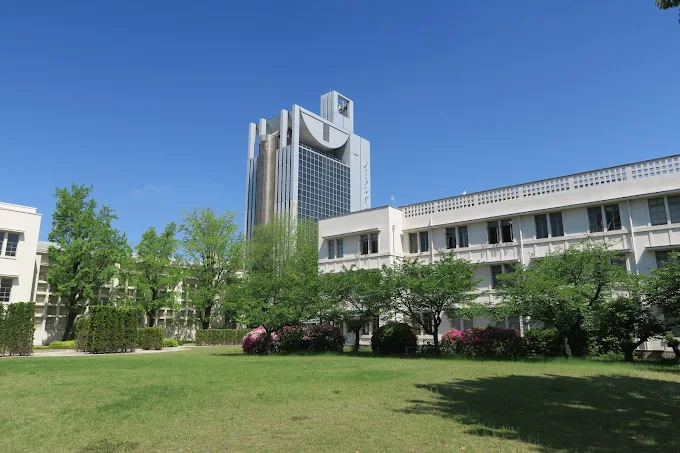
An Okayama-based university, Notre Dame Seishin University was also founded on the beliefs of Christian faith, but in particular the example of St. Julie Billiart, the head and founder of the Sisters of Notre Dame de Namur, which was founded to provide education to the poor. It also has a number of study abroad links with sister universities in the US, Europe, and Asia.
Fukuoka Women’s University
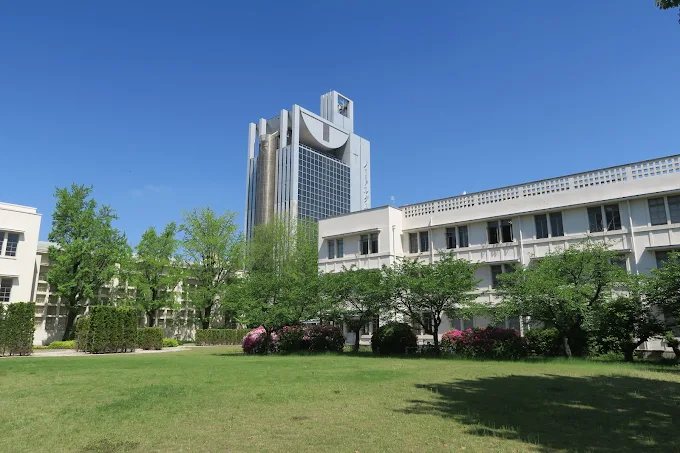
One of two public women’s universities in Japan, this Kyushu-based institution has committed to accepting trans women as students by academic year 2029. In a statement, it said: “society is now rightfully becoming more accepting of gender diversity… Therefore, in order to further advance the steps towards diversity and inclusion, Fukuoka Women’s University has decided to include transgender women in the “female” category of the application qualifications for its undergraduate and graduate schools.”
Why Are More Japanese Women’s Universities. Not Accepting Trans Women?
In addition to these seven stars, 16 more universities are considering accepting trans women, as mentioned. But then, why are the remaining 19 who responded not considering enrolling trans women as part of their student intake? Well, part of the reason can be found in the reason Fukuoka Women’s University, despite being clearly dedicated to gender diversity, has decided to wait until 2029 for its first trans women students to attend.
“In preparation for the start of acceptance, we will create an adequate environment where all female students, including transgender students, can live and study together without difficulty.”
Part of the reason is that the facilities of many universities were not designed with greater gender inclusivity in mind, and so making such changes will take time and investment. Further, the disconnect and ambiguity between Japanese laws and the status of transgender people (especially students, who may be too young to officially change their gender on the family register) makes some places of higher learning apprehensive about opening their doors to transgender students — even if they might want to.
A Light in Sudden Darkness
Despite the difficulties that trans women seeking to attend women’s universities in Japan still face, the fact that the majority of universities surveyed affirmed that they were actively looking to accept trans women goes to show that, frustratingly slow as it made be, some of the most vulnerable people in Japanese society are gradually gaining recognition among national, public, and private institutions.
This is especially welcome news given the recent Tokyo High Court ruling that marriage equality being unlawful was constitutional, in a decision that was so messy that even those opposed to marriage equality thought the reasoning was nonsense. Even if one isolated (if powerful) arm of the state remains unmoved by the basic humanity of LGBTQ+ people, there are plenty of allies to be found in all walks of life and at any level of society.
Universities, in addition to being places of higher learning, are small melting pots where young people can gather and learn from one another, as well as their teachers. Accepting trans women into women’s universities will doubtless help expand understanding and tolerance towards trans women across the country.