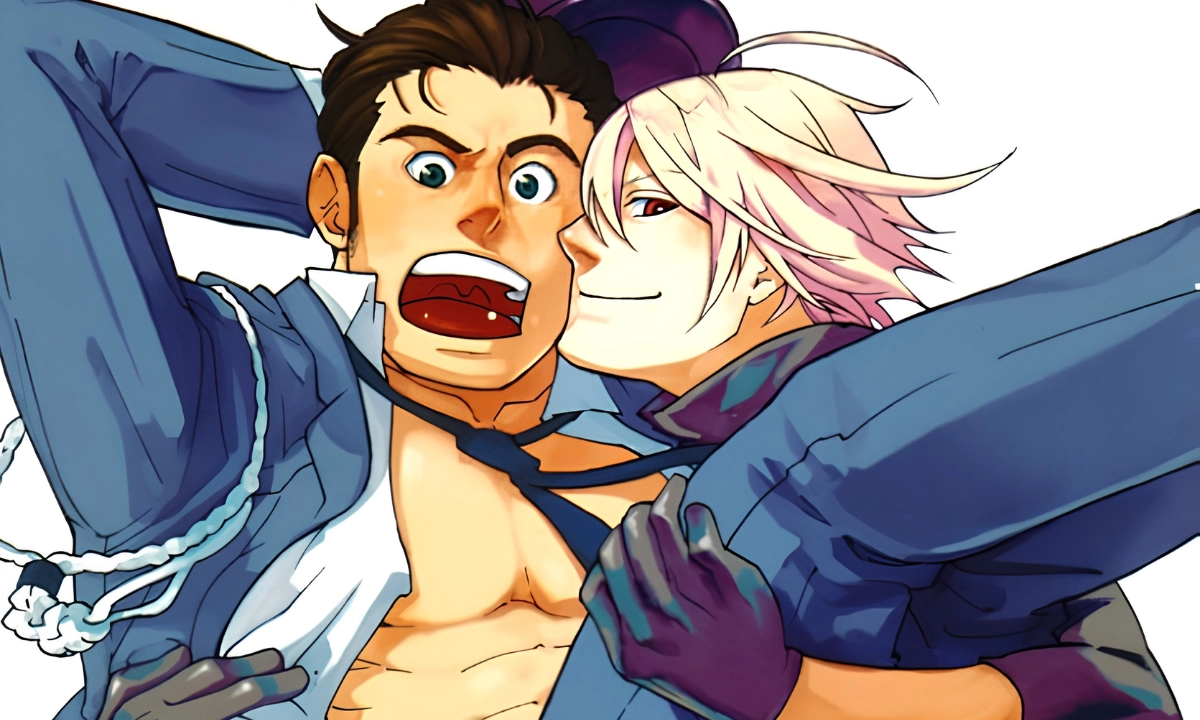

To the uninitiated, the differences between bara, yaoi, and Boys’ Love (BL) might seem indistinguishable. However, there are important nuances, not only in presentation but in origin and motivation.
Bara is media about gay men usually created by and for gay men. Conversely, yaoi and BL are gay media most often created by women for an audience of women. BL is the broader modern genre category, while yaoi has its own history and is often used more loosely today.
That said, these are mainly conventional terms among publishers and fans, not strict definitions. Especially outside Japan, the categories can overlap in usage. This might be a touch frustrating to purists, or those who grew up using the terms in what they may consider a more “accurate” sense, but it doesn’t restrict who can enjoy what.
So, with that in mind, let’s get into the nitty-gritty.
What is Yaoi, and How is it Different from BL?
Although the two terms have differences, yaoi and BL are closely linked as genres in the minds of the public and publishers alike. For example, the US-based yaoi/BL manga specialist publisher SuBLime groups them both together.
Online, some casually consider yaoi to be sexually explicit, whereas BL is not sexual. This is not the case, however: there is plenty of BL which depicts sex.

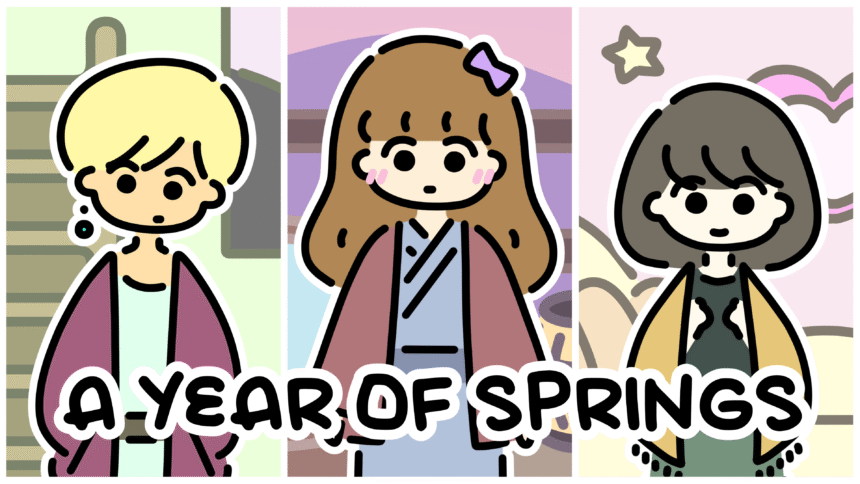
BL, or Boys’ Love, is the broader modern genre category for media about romantic and/or sexual relationships between men (also known as ‘men who love men’; MLM). It can include manga, light novels, audio dramas, and other formats.
Yaoi overlaps heavily with BL today, but the term has a different history.
It began as an offshoot of shounen-ai (少年愛), which means “boys’ love” but is distinct from today’s BL. Shounen-ai emerged as a popular manga genre in Japan in the 1970s, while yaoi was initially associated more with amateur and self-published works.
That amateur-versus-professional distinction is much less useful today. Yaoi has long since escaped its association with amateurism and fan works, and is now a respected genre in and of itself.
The word itself came from a self-deprecating description of MLM self-published comics (doujinshi): yama nashi, ochi nashi, imi nashi, conventionally rendered “no climax, no punch line, no meaning.”
So, in practice, BL is the broader contemporary label, while yaoi substantially overlaps with it and may be used differently depending on the publisher, fan community, or country.
What is Bara Manga?
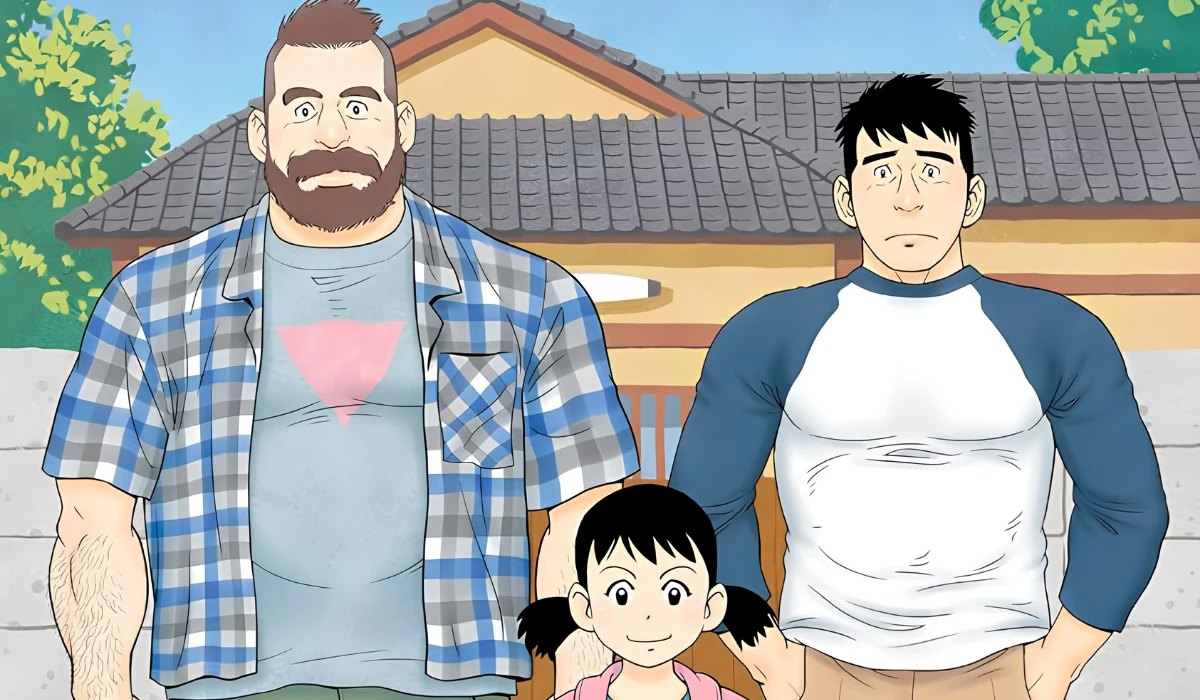
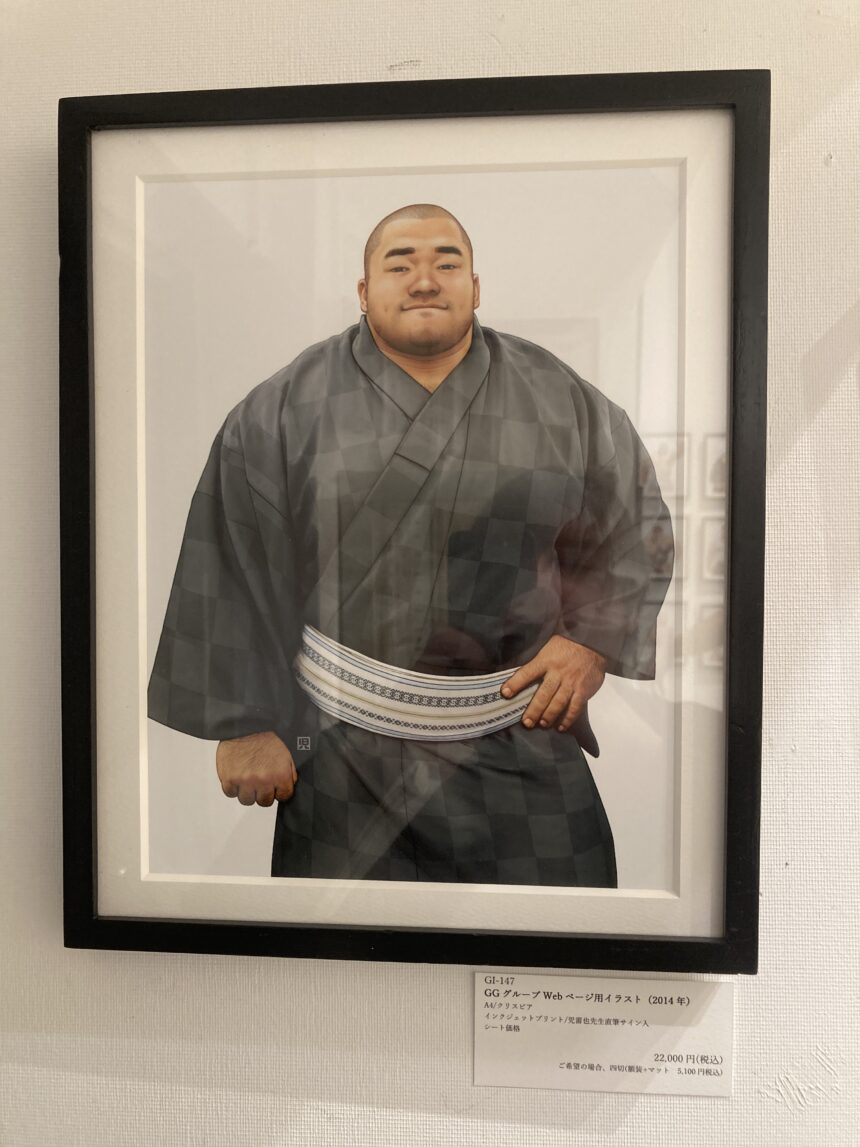
Bara manga is, as mentioned, most commonly thought of as MLM manga created by and for gay men. Stylistically, it is usually, though not always, distinguished from yaoi or BL by large, muscular figures, as opposed to yaoi/BL’s more lithe, angular characters.
The term has its origins in the use of the word ‘bara,’ which means ‘rose,’ and was once used as a slur akin to ‘pansy’ in English. In the 1970s, it was reclaimed by many in the gay community, as seen in magazines such as Barazoku. ‘Bara’ was later used as a prefix for different kinds of gay media, such as ‘bara movie.’
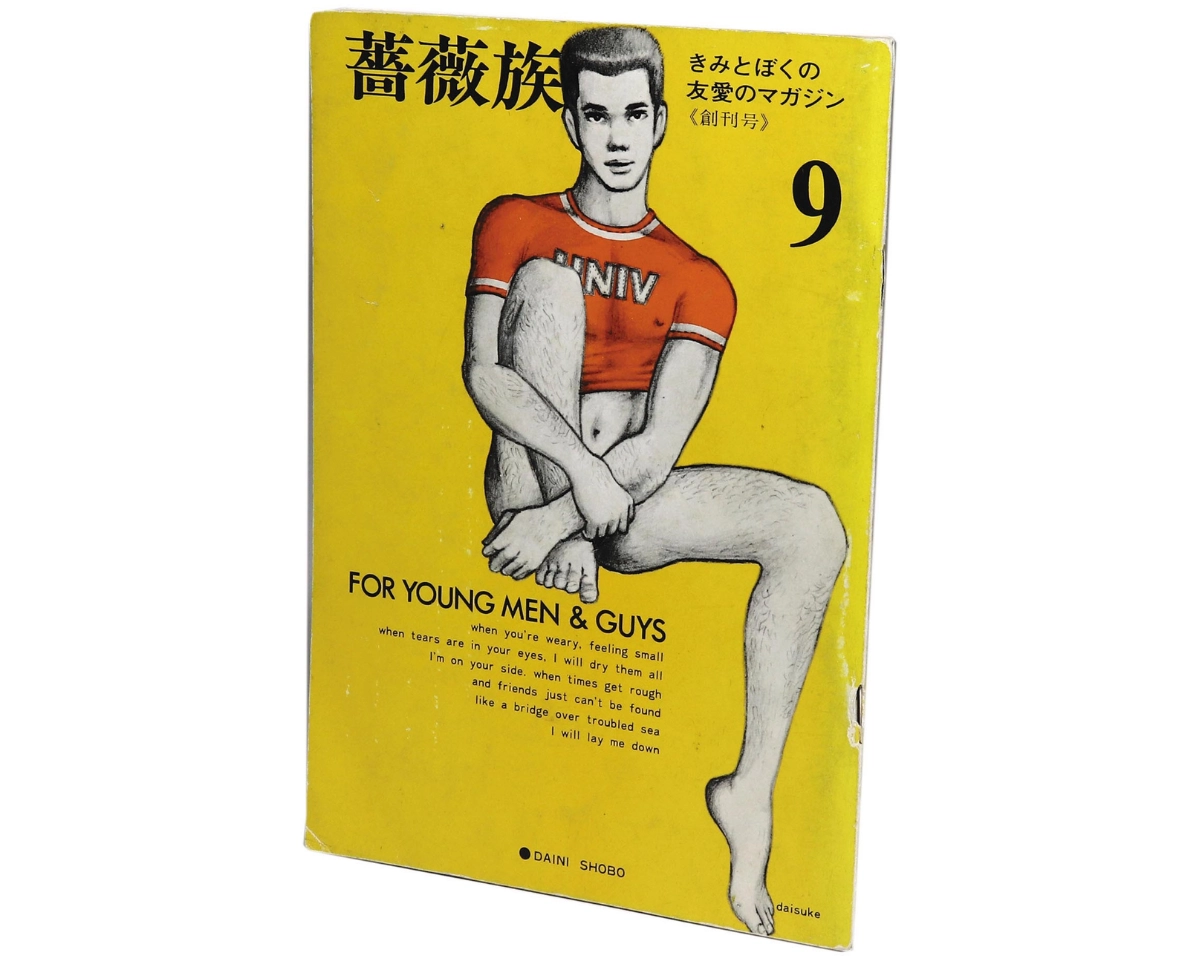
Although the term later fell out of favor in Japan, ‘bara manga’ stuck in the West, where it is still widely used.
In Japan today, you may instead come across terms such as ‘geicomi,’ meaning ‘gay comics.’ It can cover manga with gay perspectives whether it involves romance and sex or not. This helps explain why ‘bara manga’ is not a universally accepted label, even for artists whose work gets described that way outside Japan.
Gengoroh Tagame, for example, is widely regarded as a bara manga artist, but he himself does not identify as such. That said, he understands the usefulness of the term.
Today, especially outside Japan, ‘bara’ is also strongly associated with manga featuring buff or chubby characters. But, as with yaoi and BL, it’s best treated as a useful category rather than a rigid rule.
You can find more details about bara manga and famous creators here.
How to Use These Labels When Choosing Manga
When searching for a particular kind of manga to scratch your reading itch, don’t treat any of these labels as a guarantee of exactly what you’re going to get.
Different publishers may use the terms differently, so it’s a good idea to check the age rating, content description and, if available, a few preview pages.

You also can’t assume what one manga will be like based on an artist’s other work. To go back to Gengoroh Tagame as an example, the highly sexual BDSM-themed manga that he is arguably most famous for are hugely different in approach and intent from what may be his most acclaimed work, My Brother’s Husband.
In broad terms, then, BL is the widest contemporary category, yaoi overlaps heavily with it but comes from a different history, and bara is a largely Western-used label associated with gay male-oriented manga. None of those boundaries is absolute.
If you’re looking for recommendations, check out some of our favorite bara manga or yaoi manga!