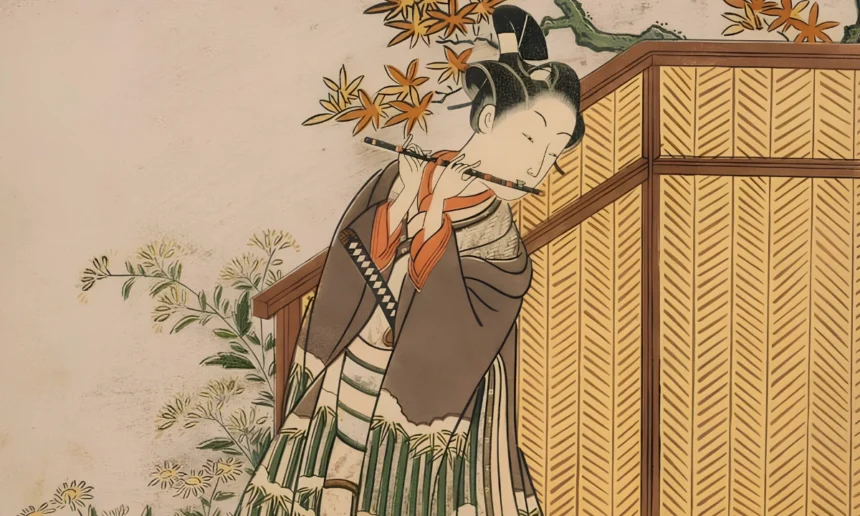

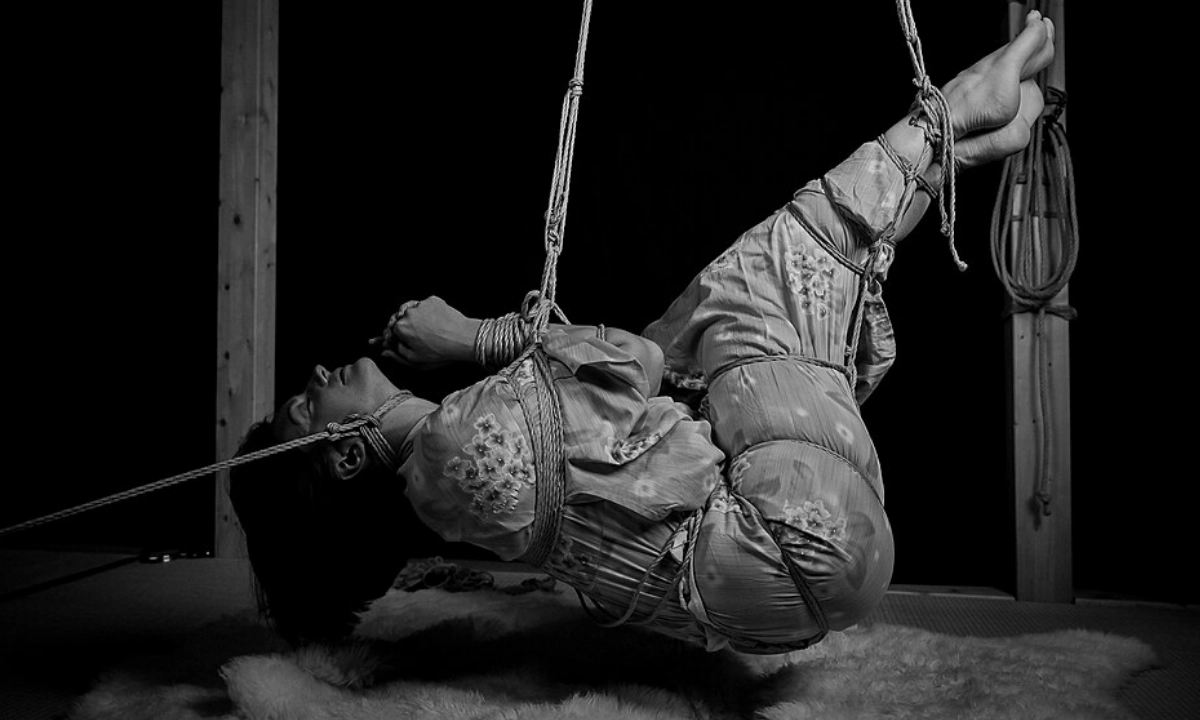

Shibari is commonly used in English to mean Japanese or Japanese-influenced rope bondage. But the Japanese word itself is broader: 縛り (shibari) relates simply to tying or binding and can be used in contexts that have nothing to do with BDSM.
Modern shibari developed through a mixture of older Japanese restraint traditions, twentieth-century erotic imagery, theatre, photography, and Japan’s developing SM culture. It was not simply an ancient samurai practice passed down unchanged.
Today, shibari can be erotic, intimate, artistic, performative, or simply about the physical experience of being tied. It has also found a place in contemporary queer communities, including LGBTQ+ rope spaces in Japan and elsewhere.
Understanding shibari, therefore, means looking beyond the familiar ‘ancient samurai art’ story. Its terminology, history, and modern practice are more complicated — and more interesting — than that description suggests.
What Is Shibari?

In Japanese, 縛り (shibari) comes from the idea of tying or binding. The word has meanings that extend well beyond BDSM. Japanese dictionaries also use it in connection with restrictions and constraints.
In English-language kink communities, however, shibari has developed a more specific meaning. It is commonly used for Japanese or Japanese-influenced rope bondage, including approaches shaped by Japanese techniques, aesthetics, and teaching traditions.
Shibari sits within the wider world of rope bondage, but the terms are not interchangeable. Rope bondage includes many traditions and approaches from around the world. Shibari refers to a particular Japanese or Japanese-influenced tradition within that broader practice.
There is also no single way to experience it. Someone may tie another person, be tied, switch between those roles, or practise self-tying. Rope can also be part of photography, performance, or personal exploration.
Those roles do not necessarily correspond to gender or sexual identity, and rope does not automatically mean sex. People may be drawn to shibari for erotic play, physical sensation, concentration, trust, aesthetics, creativity, or the experience of making something with another person.
That variety is important because shibari does not have one purpose or follow one particular dynamic.
What Does Shibari Involve?
A rope scene can take many forms depending on the people involved and what they want from it.
For some people, shibari is part of a BDSM scene involving consensual restraint or erotic play. Others focus more on intimacy, physical sensation, photography, performance, or visual presentation.
The visual side can be important too. Intricate patterns and carefully positioned ropes can make a tying session as much about aesthetics as restraint.
Some practitioners describe rope in terms of connection, concentration, or self-expression. These are individual experiences rather than qualities that apply to every form of shibari.
Modern Japanese rope practice reflects this variety as well. Kinbaku exists across erotic, performance, and underground settings, with different practitioners developing their own approaches and interpretations.
Shibari vs. Kinbaku: What Do the Words Mean?
Two words appear repeatedly when researching Japanese rope bondage: shibari and kinbaku.
緊縛 (kinbaku) relates to tying or binding tightly or firmly. Japanese dictionaries use the term in this general sense, including for being tightly bound or constrained.
Within rope communities, however, the words can carry more specialised meanings. Some practitioners use shibari as the broader term and kinbaku for erotic Japanese rope bondage. Others use them differently.
This is why simple definitions such as ‘shibari is artistic, while kinbaku is sexual’ are misleading. They may describe how particular practitioners use the terms, but there is no universal distinction.
Someone researching Japanese rope bondage will encounter both words. It is often more useful to understand how a particular teacher, community, or tradition uses them than to search for one fixed definition.
That question of terminology also leads into a bigger one: if modern Japanese rope bondage was not simply passed down unchanged from the samurai, where did it actually come from?
Where Did Shibari Come From?
The history of modern Japanese rope bondage is often presented as a direct continuation of samurai restraint techniques. The reality is more complicated.
Historical Japanese restraint systems such as hōjōjutsu involved techniques for restraining and controlling people with rope. They existed in contexts including law enforcement and punishment, rather than as forms of erotic bondage.
These practices form part of the wider history connected with Japanese rope bondage, but modern shibari or kinbaku developed in different cultural and erotic settings.
Theatre, photography, illustration, punishment imagery, and changing attitudes towards sexuality all played a role. Itō Seiu became an important figure in the early twentieth century. His work helped establish bondage as a form of erotic imagery and contributed to the development of modern Japanese kinbaku.
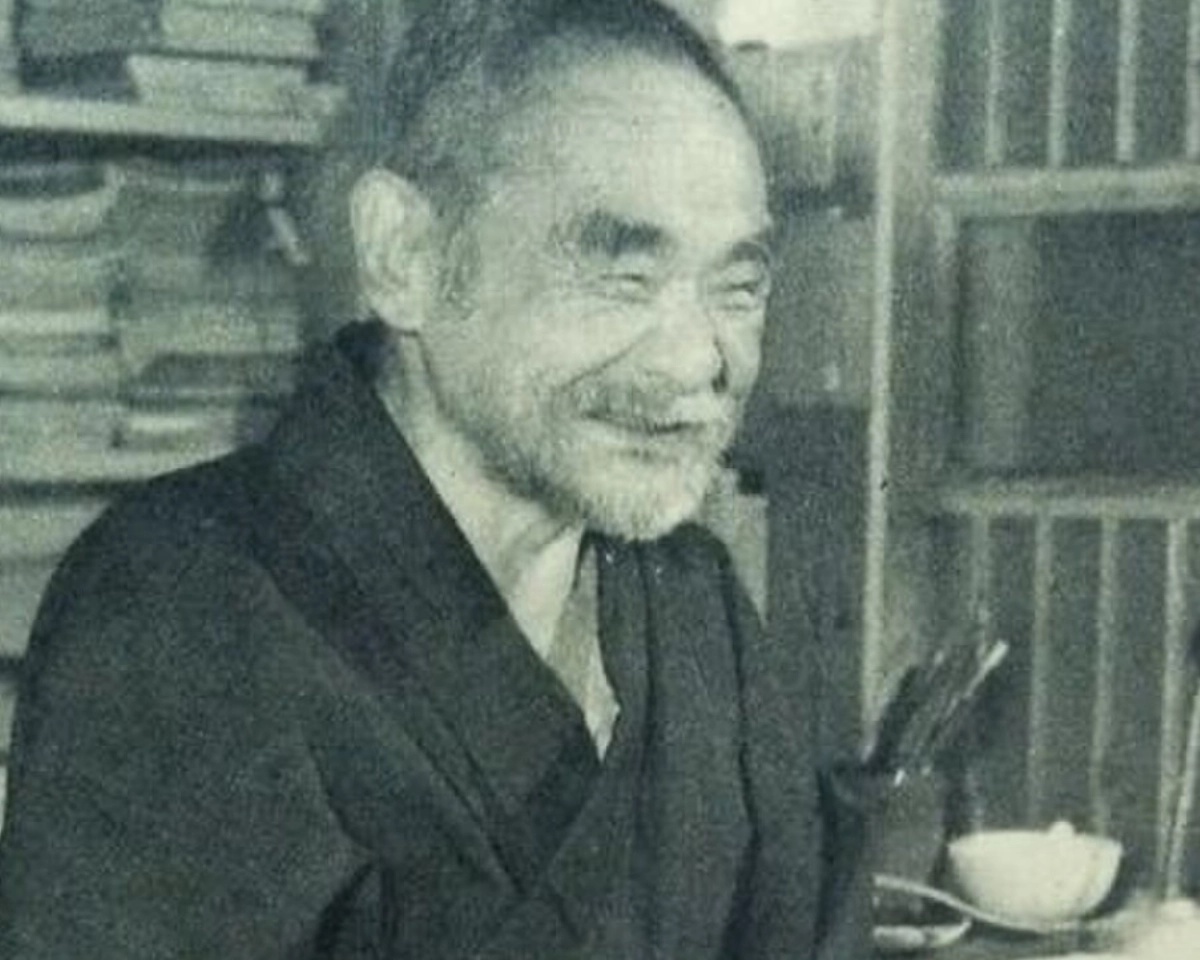
After the Second World War, publications such as Kitan Club helped circulate bondage and sadomasochistic imagery. Rope became increasingly connected with Japan’s developing SM culture, while photographers, performers, and practitioners continued to create their own styles.
This was not a single, linear tradition. Different communities developed different techniques, aesthetics and interpretations, and the terminology changed over time.
Japanese rope bondage later spread internationally through photography, performances, workshops and eventually online communities. Practitioners outside Japan adapted what they encountered to their own cultures, relationships and styles.
Modern shibari is therefore better understood as a developing practice with historical Japanese influences than as an unchanged tradition passed down from the samurai.
Shibari and Queer Culture
Shibari has also found a place in contemporary queer and LGBTQ+ communities. This is a modern development, rather than evidence that historical kinbaku was originally a queer tradition.
For some queer practitioners, rope offers a way to explore power, intimacy and physical connection without automatically tying particular roles to gender.
Someone who ties does not have to be a man, and someone who is tied does not have to be a woman. People can switch roles or explore different forms of power exchange depending on the people involved and the situation. Research into BDSM more broadly has also found that dominant and submissive roles can be fluid rather than fixed.
That flexibility can be particularly relevant in queer communities, where conventional assumptions about gender, sexuality and relationships may already be questioned or negotiated differently.
Rope can also create forms of connection outside conventional romantic relationships. A scene might involve partners, friends, play partners, performers, or people who have met through a rope community.
Queer rope spaces can provide community as well. LGBTQ+-focused events and groups exist in several countries, giving people opportunities to learn, practise and meet others with similar interests.
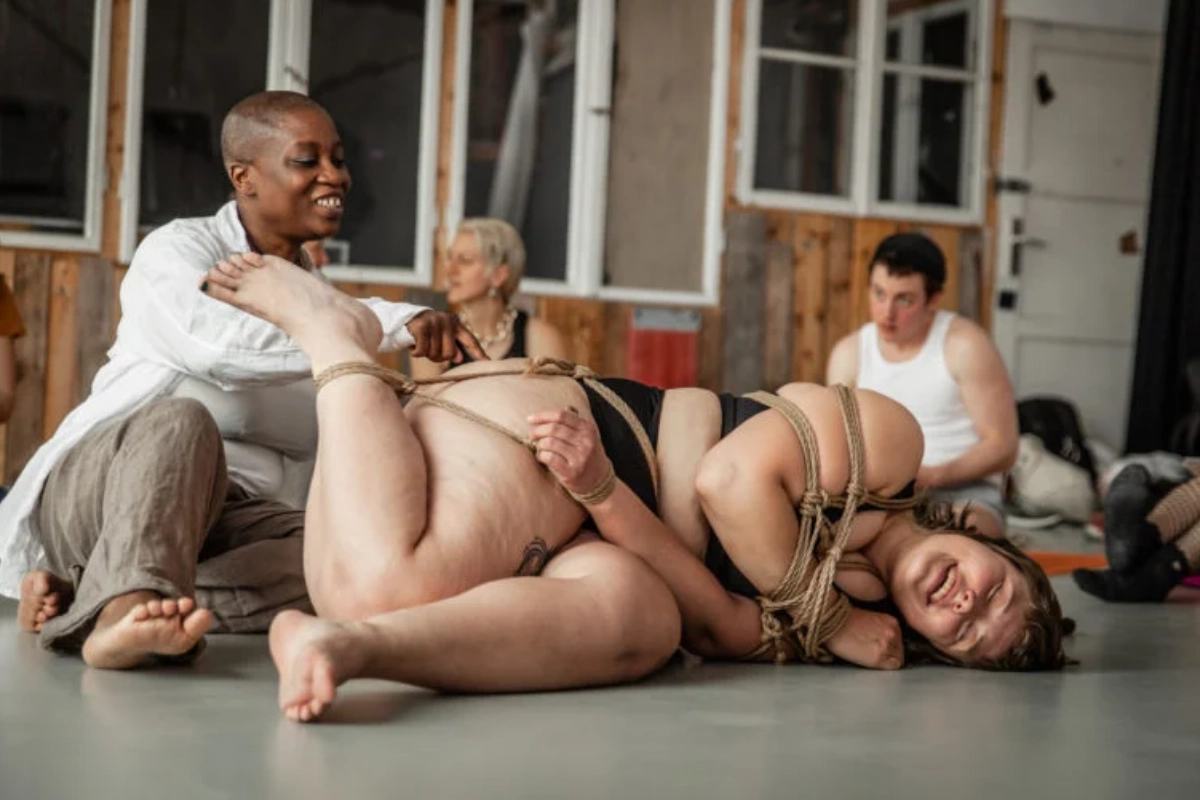
These spaces are not all the same, and identifying as queer does not automatically make a community safe or inclusive. As with any BDSM or social environment, what matters is how a group approaches consent, boundaries, communication, and inclusion.
In Japan, queer kink communities and events form part of the wider contemporary rope scene, particularly in cities such as Tokyo. They are another example of how shibari continues to develop beyond its historical roots.
Consent, Risk, and Learning Shibari Safely
The beauty and precision of shibari can make it look deceptively simple. Rope may appear straightforward, but tying a person safely requires knowledge of communication, anatomy, circulation, and nerve compression.
Consent needs to come first.
People should agree voluntarily to what they are doing and discuss their boundaries beforehand. Agreeing to rope does not automatically mean agreeing to sex or anything else. Consent continues throughout a session, and either person should be able to pause or stop at any time.
Rope also carries physical risks. Tight bindings can compress nerves or affect circulation, while suspension adds further risk because a person’s body is lifted from the ground.
A 2023 clinical study documented nerve injuries associated with Japanese rope bondage, with most of the reported injuries following full-body suspension. The study was small, so it does not tell us how common these injuries are across shibari generally, but it does show that nerve compression can be serious.
For anyone interested in learning shibari, responsible education is a better starting point than copying techniques from social media or a single online tutorial.
Good instruction should cover more than attractive rope patterns. Beginners should learn about consent, communication, physical risks, and how to recognise when something needs to stop. More advanced practices, particularly suspension, should not be treated as a starting point.
It is also worth progressing gradually. Being able to reproduce a knot or an attractive photograph does not necessarily mean someone has the knowledge required to tie another person’s body safely.
Learning from experienced, safety-conscious teachers can help beginners understand both the creative and physical sides of the practice.
Shibari is not risk-free, even when it is consensual and carefully approached. Understanding those risks, communicating clearly, and learning from knowledgeable practitioners are all part of practising responsibly.