

Many people today will point to things like Pride Celebrations, LGBTQ+ shows and comics becoming popular, and the breakout success of shows like Netflix’s The Boyfriend as evidence that things have become easier for queer people in the modern world. While this may be the case in certain places and for certain people, it is not a universal truth. Today, we will be reviewing the first volume of the critically acclaimed Our Dreams at Dusk, which explores the difficulties of being young and gay in the modern age — and the joys of finding community.
Synopsis
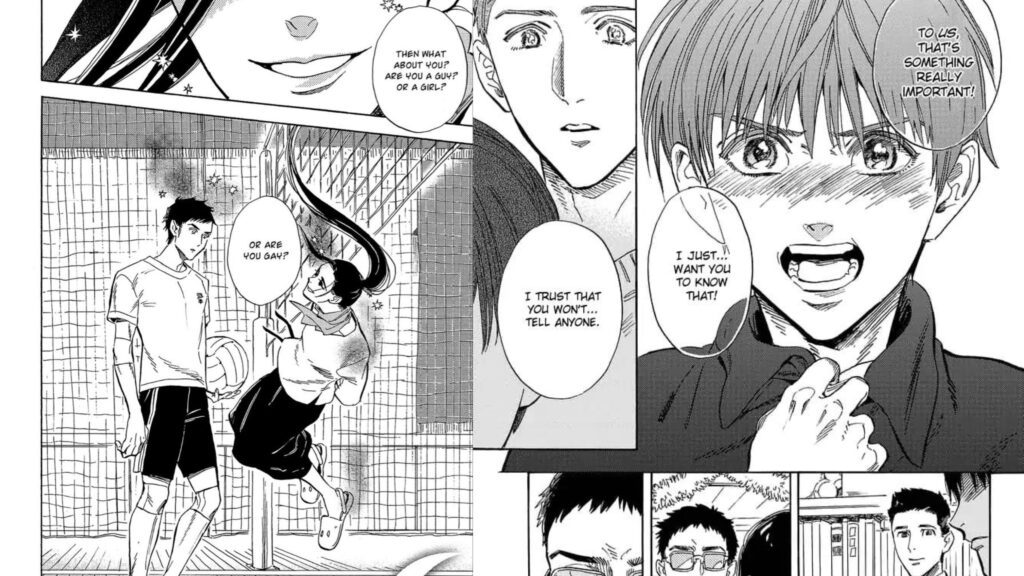
Tasuku Kaname, our main character, is a high school student living in Onomichi, Hiroshima prefecture. One day, near the end of school, his classmates discover that he has been searching for gay pornography on his phone. Denying his sexuality (and using slurs that he knows he would be distraught by if used against him), he nevertheless spirals and considers the escape of which we dare not speak the name.
Tasuku’s life is changed, though, when he sees someone take a jump themselves: frightened for the life of another, he finds out that not only are they alive and well, but that they have led him to the Lounge: an accepting cafe of many open-minded people of varying sexualities.
During his time visiting the cafe, Tasuku meets a number of different people. First, there is the enigmatic Someone, who originally led him to the space through their act of benevolent recklessness; Tchaiko, an elderly man who seems to have a knack for knowing exactly what Tchaikovsky pieces Tasuku needs to hear at a given moment; and Haruko Daichi, who lives with her partner, Saki.
In addition to visiting the cafe space, Tasuku becomes involved with a volunteer project that many who come to the Lounge helping to renovate abandoned houses to make them habitable: a process that often involves tearing them down, to one degree or another. Through talking to and working with friends unlike any he has ever had before, Tasuku comes to open up and accept himself a little more each day.
Tearing Down Walls, Building Community
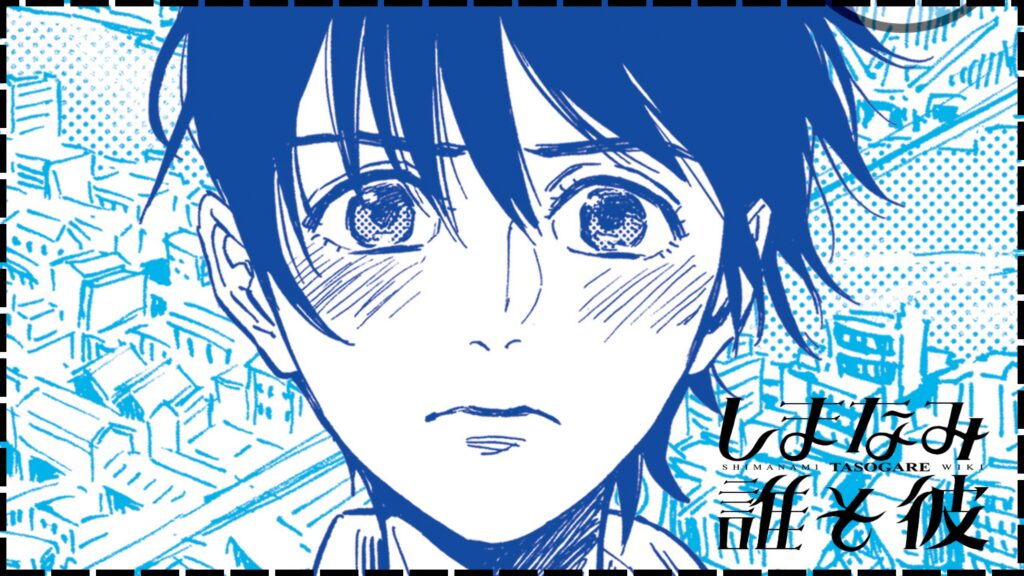
The clearest message that this manga wants to get across, and one that it does with more than a little success, is that community matters — especially for those who are younger, and are struggling with coming to terms with who they know they truly are. For Tasuku, being given a push by Someone, then being embraced by Haruko are times that allow him to truly come into his own, and (during his summer vacation) begin to accept himself as he is.
That is not to say that everything is rosy for Tasuku, nor for any of the visitors of the Lounge. Tasuku still attends his ping pong club, where he feels the need to fend off rumors of being gay. Meanwhile, Haruko and her Saki (who call one another their wives, though marriage equality is not yet legal in Japan) struggle with both the attitudes of their parents and their inability to express their relationship to society in the way they want.
One of the most effective metaphors that the manga has for self-acceptance is conveyed through the volunteer work that is done on housing remodelling. The derelict buildings that need restoration often need to have walls torn down first. This can be slowly at first, using claw hammers to remove nails, or by using s sledgehammer to just break the damn thing down. Tasuku and Haruko both experience catharsis through destroying both the physical walls that needed to come down, which help to pull down their emotional barriers at the same time.
It is no wonder that this manga was nominated for a number of awards, including the prestigious Harvey Award for best manga. It portrays the struggles of accepting oneself, as well as being accepted in smaller, more rural communities (the most striking example being when Tasuku is being bullied for being considered gay — and then the bullies themselves accusing others of being discriminatory).
However, it also deftly portrays the power of community and the joy of being accepted for who you are — and the peace that comes with accepting yourself. This is an easy recommendation for JGG. When you get the chance, you absolutely must pick up this manga. This is also just the first volume: as it continues, more people of more diverse backgrounds and different sexualities join the cast. A must-read.