


Aromantics are being increasingly recognised and well understood, especially among members of the LGBTQ+ community. However, as with many orientations that are considered, by the majority, to be considered “unusual,” clarity among the mainstream is often helped by depictions in popular media that help those who aren’t aware of particular issues to understand. So it was with Koisenu Futari, which depicted an aromantic Japanese character.
Summary
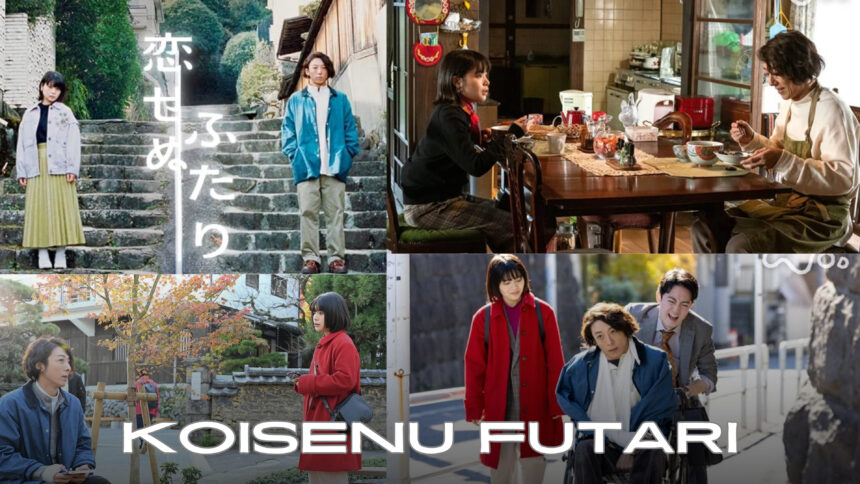
This drama was broadcast in 2022 on Japan’s public television network, NHK. The story follows Sakuko Kodama, a woman who has never felt romantic attraction toward anyone. People around her keep saying things like, “you just haven’t met the right person yet,” or “you’ll want to get married someday.” But Sakuko realizes that she does not experience romantic feelings, and this makes her feel increasingly isolated and different.
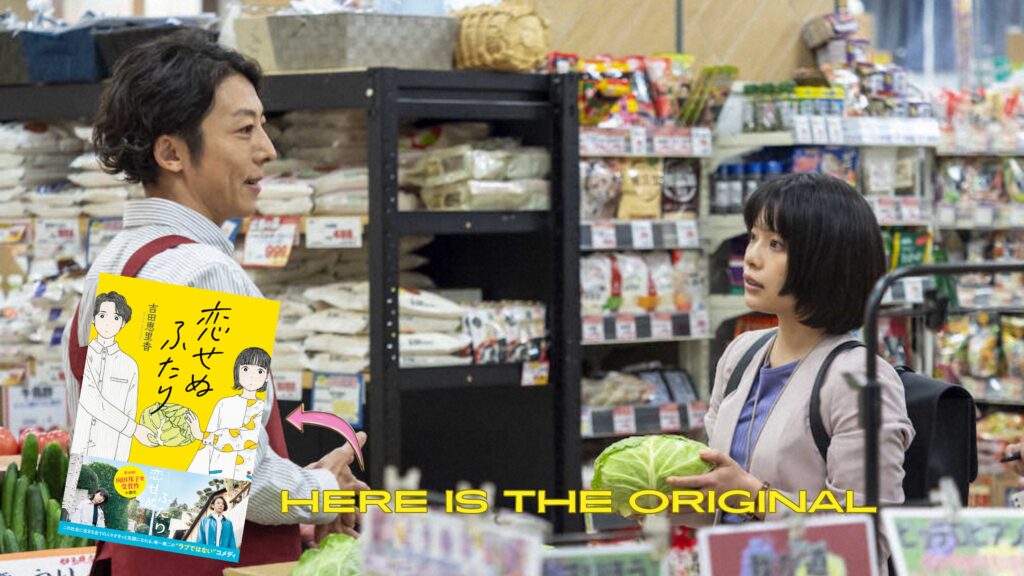
After breaking up with her boyfriend, she leaves her family home and meets Satoru Takahashi, a man who also does not feel romantic or sexual attraction. He has struggled as well in a society where romance is considered normal.
Understanding each other’s feelings, the two decide to live together. They are not lovers or a married couple, but partners who share their lives without romance or sex. There is no jealousy or excitement as there might be in typical love stories, but there is trust, comfort, and quiet kindness between them.
However, their families and coworkers do not easily understand their relationship. People ask, “how can you live together if you are not in love?” or “can you really be happy like that?” In a society centered on romance, Sakuko and Satoru struggle with how to explain and protect their relationship. While facing doubts and pressure, they search for their own version of happiness.
This drama quietly asks what is means to be different, and to find people who are different in the same way.
Highlights
A different kind of love story
This is not the usual story of meeting someone, falling in love, and starting a relationship. The theme is about people who do not experience romance. Even so, the atmosphere is gentle and warm rather than heavy.
Very realistic dialogue
The conversations feel natural. Many viewers might think, “I’ve heard that before.” The unspoken pressure of a romance-centered society is shown through everyday conversations.
A calm and meaningful partnership
The main characters are not lovers or spouses, but they share a strong sense of trust. Nothing dramatic happens, yet simple moments like eating together or waiting for each other to come home feel deeply meaningful.
It makes you question your assumptions
The drama does not attack anyone’s way of life. Instead, it quietly suggests that there are many different ways to be happy. It can resonate with people who experience romance and those who do not.
Thoughts on Experiencing an Aromantic Perspective
Honestly, I used to think that having romantic and sexual feelings was something everyone naturally experiences. I believed it was universal. But these assumptions can make some people feel uncomfortable and misunderstood. Values, lifestyles, and ideas about what people “should” be are things that can affect all of us, so just as you would like your differences to be understood and appreciated, it is good to understand others.
We want to live as ourselves, yet society often tells us that going to university and getting a good job at a big company is the ideal path. In the same way, people who are aromantic may feel that certain values are being pushed onto them even though they do not relate to those feelings.
Maybe true understanding does not always mean fully relating. Even just knowing that people like this exist and accepting that as basic knowledge could make it easier for everyone to live together.
Diversity is not only about what you do feel, but can also be about what you don’t. There are many different ways of being. We think we understand, but often we do not. And ideas about identity and society continue to change over time — and we should try to change with them.