

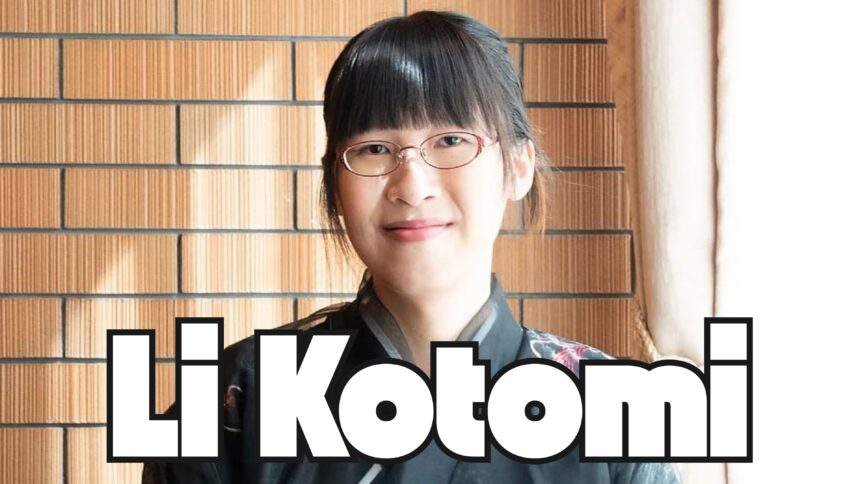

Who Is Li Kotomi?
Japan is known for producing novelists of exceptional calibre, and nowhere is this more evident than in the community of LGBTQ+ novelists. We have previously covered Yukio Mishima, and a shortlist of our favorite lesbian writers, but today we will be covering the trans woman Japanese-language author Li Kotomi, her life, her work… and how you can help her and the struggle for transgender rights.
Early Life and Works
Born in 1989 in Taiwan, Li grew up in a small rural area, and couldn’t speak a word or read a character of Japanese all the way through to middle school. It was around the time she turned 15, however, that she decided, seemingly out of nowhere, to study Japanese. “Like the apple that hit Newton on the head, it was a thought that was close to a divine revelation,” she says. The more she studied the language — and therefore the literature and culture — the more fascinated she became.
She eventually enrolled in National Taiwan University, where she studied Chinese and Japanese Literature. After graduating, she went on in 2013 to enrol in Tokyo’s Waseda University, where she studied for a Master’s degree in the Department of Japanese Language and Literature, and she has been resident in Japan ever since.
After graduation, Li found employment in a Japanese company, and one morning during her commute was struck by inspiration once again, when she was apparently struck by the word “die,” and went on to write Solo Dance. The story explores the life of a young queer woman who moved to Japan from Taiwan to escape her past, yet struggles with fears of not being accepted for who she is in her adopted home, and won a mention for excellence at the Gunzo Prize for New Writers awards in 2017.
Rise to Success
In 2018, hot off her success and by now a permanent resident of Japan, Li began working as both a freelance translator and as a novelist. Her second novel, Count to Five and See the Crescent Moon, was shortlisted for the prestigious ****Akutagawa Prize and the 41st Noma Literary New Face Prize. She followed it up in 2020 with the critically acclaimed The Night of the Shining North Star, a collection of short stories about people of various backgrounds spending time in Tokyo’s Shinjuku Nichome gay neighborhood, and won the 71st Education Minister’s Art Encouragement New Awards.
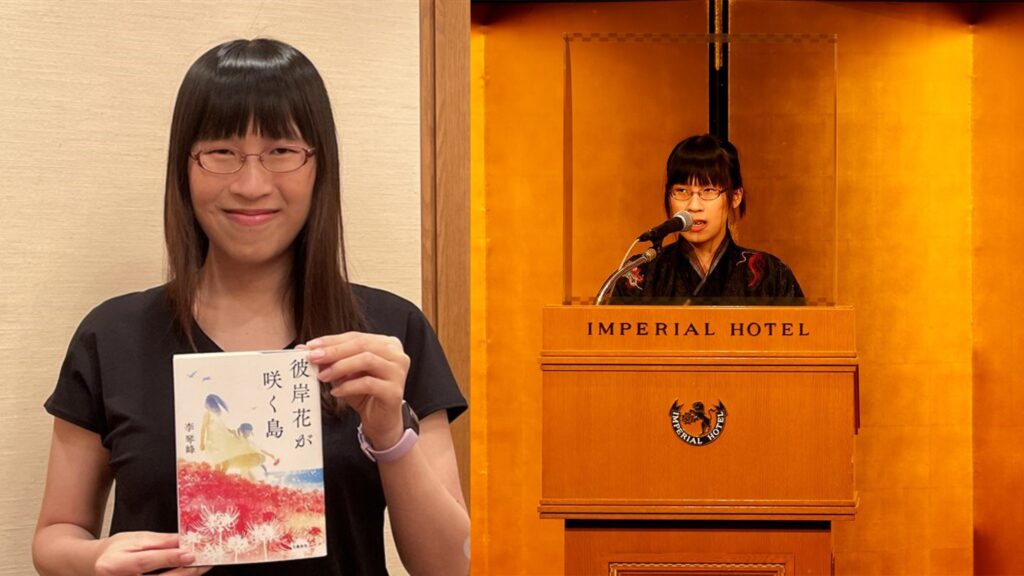
But it was The Island Where Red Spider Lilies Bloom, published in 2021, which truly cemented her as one of the most talented modern Japanese writers. Often described as a fairytale-like story, we follow Umi and Yona, who — after Umi washes up on the shore — have difficulty communicating, as while they speak Japanese, they speak different sorts of Japanese, as shown through the selective use (or disuse) of kanji in their dialogue, a subtlety in language that makes it near impossible to translate but near irresistible to read in Japanese, a kind of play with form that might be somewhat comparable to A Void.
The Island Where Red Spider Lilies Bloom won the 16th Akutagawa Prize, making Li the first Taiwanese person to win the award. In her acceptance speech, she noted the importance of literature and its ability to help one persevere in what appears to be a cold and uncaring world, and even references the hate messages she had received from “critics.” Many of these were references to her national origin. Some, however, were not.
Facing Transphobic Discrimination
It was after the release of The Island Where Red Spider Lilies Bloom that messages on Taiwanese message boards began to appear, mocking and insulting Li for being transgender — and it wasn’t long until these messages were translated and published in Japanese.
Li had previously been open about being a lesbian, but had demurred on questions of gender identity, calling it “a despicable question.” However, finding herself “outed” on social media, on 20 November 2024, the Transgender Day of Remembrance that honors our transgender siblings who are no longer with us, she formally announced that she is transgender.
Speaking to the Asahi Shimbun, Li said “I was assigned the wrong gender when I was born, and I later corrected it to female.”
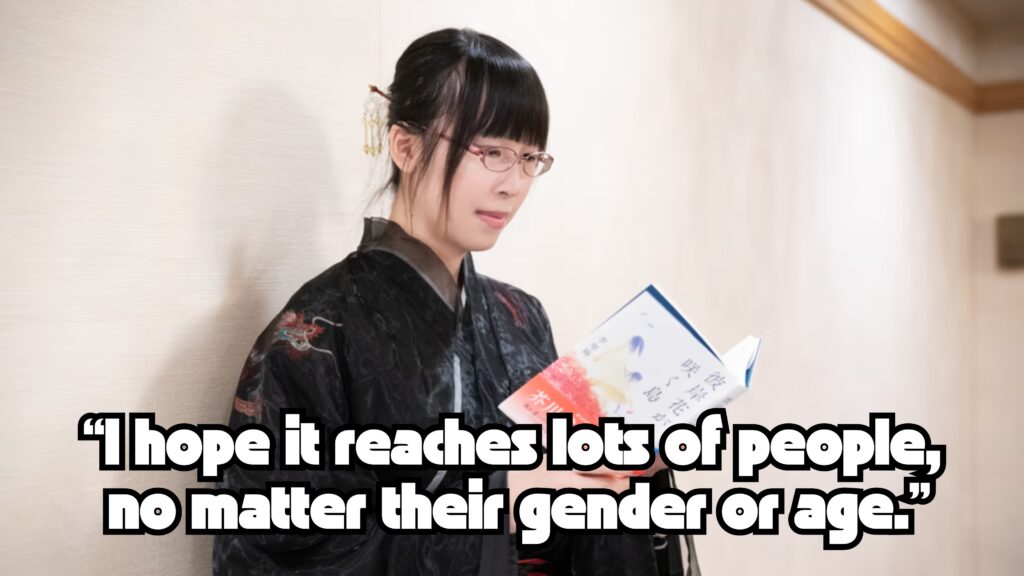
“I came out as a result of being outed, but I hope that my existence will give hope to someone,” she continued. She is hoping that her pain can be transformed into something positive for transgender people and transgender rights.
Due to the abuse she faced, and the suffering she went through as a result, she has filed a civil lawsuit against the perpetrators. However, despite the suit, the abuse has not stopped, and the expenses of continuing the legal action continues to grow. As a result, supporters created the Li Kotomi Support Group to help raise funds, and the upcoming Fresh Meat event by Haus von Schwarz will be dedicating its proceeds to her cause.
“Besides being an incredible writer, Li-san is also an important member of the queer community. The issues she’s facing battling transphobic harassment and defamation are not just personal problems but set a precedent for other LGBTQ people (it means others will have a stronger case for defending themselves legally from doxxing, malicious outing, and other forms of cyberbullying),” says drag queen Le Horla.