
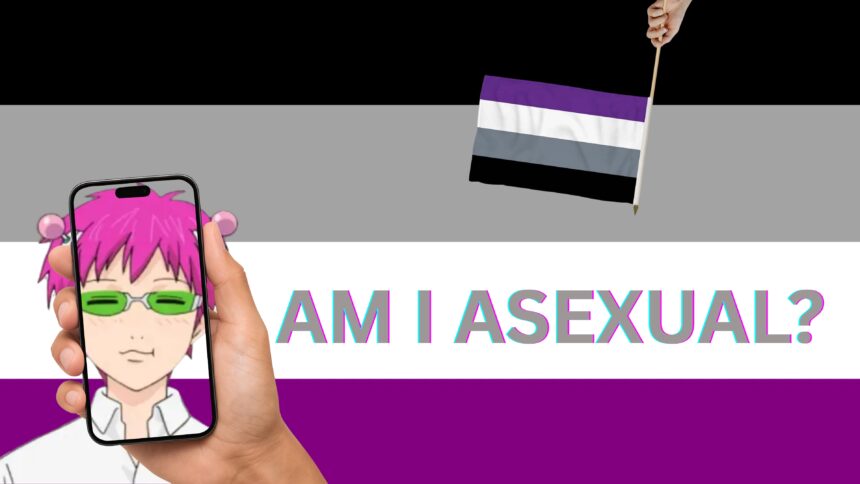

Am I Asexual?
I’m sure that you’ve heard of things like asexual reproduction, but… have you ever wondered if you might be asexual, in the sense that you are disinterested in sex, as a physical act? Maybe you’re unsure about the difference between romantic feelings and friendship, or you just feel tired of trying to keep up with what everyone else thinks is “normal.”
Hearing things like, “you just haven’t met the right person yet” or “you don’t understand love properly” can get exhausting. I wanted to write this post for anyone who’s been feeling this way — a little guide to understanding asexuality and maybe a chance to say, “ah, so that’s what I’ve been feeling.”
What Does Asexual Mean?
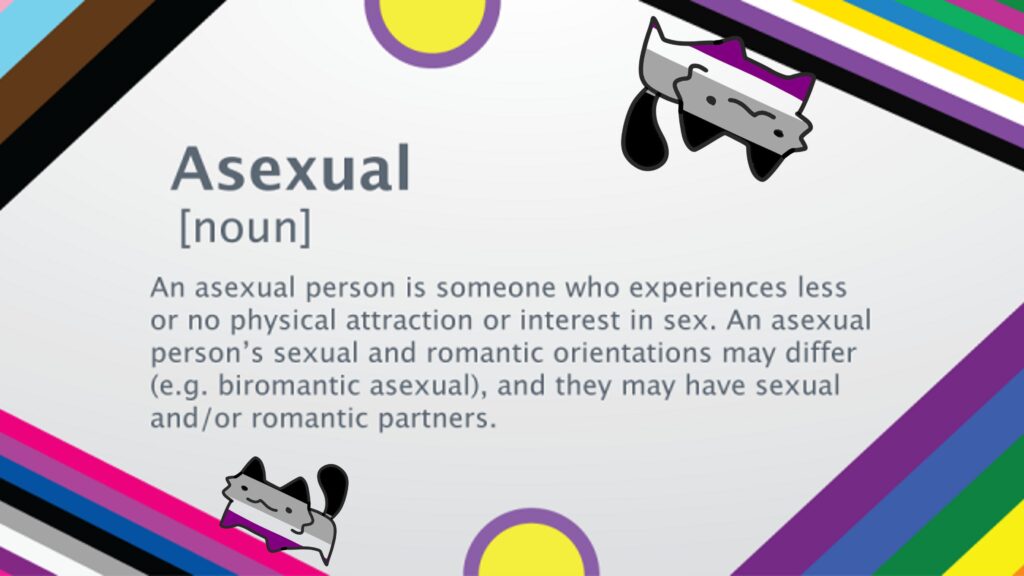
Being asexual (sometimes abbreviated as “ace”) usually means you feel little or no sexual attraction to other people. Some asexual people can still have romantic feelings, but sexual attraction just isn’t part of the picture. It’s important to know that sexual desire and romantic feelings are two separate things.
The way asexuality presents itself can be different for everyone. Some people never feel sexual attraction at all, while others might in certain situations. In the United States, about 1% of people identify as asexual: roughly 1 in 100. The real number might be even higher, since some people haven’t realized or labeled it yet. The formal term can be aromantic-asexual if someone also doesn’t feel romantic attraction (sometimes abbreviated to “aroace”).
Things Asexual People Often Relate To
Everyone’s experience is unique, but here are some things a lot of asexual people notice about themselves:
- Being told “you’ll find the right person eventually” and getting tired of explaining yourself.
- Feeling confused as a teenager when everyone else talked about dating or sex.
- People assume that “liking someone” always means romantic or sexual interest, even when it’s just friendship or admiration.
- Finding it hard to relate to love-focused movies or TV shows.
- Being called “cold” or “emotionless,” even though you can feel deep love and care in other ways.
- Wondering if you’re “weird” until you learn the term asexual and finally feel understood.
Most of these challenges come from society expecting everyone to feel sexual attraction and fit into a “romance-first” world.
Asexual Communities
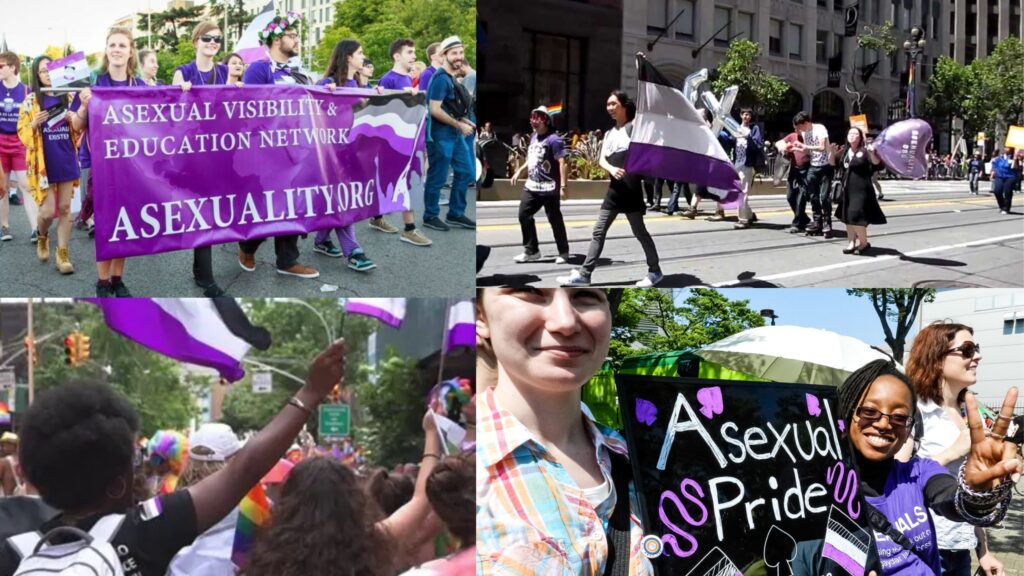
The good news is you’re not alone. There are supportive communities for asexual people around the world. The Asexual Visibility and Education Network (AVEN) is one of the biggest. You can share stories, learn the lingo, and connect with people who understand.
In Japan, there are also online spaces and social media groups, as well as LGBTQ+ organizations that offer support and information. For example, Nijiiro Gakko provides safe spaces and learning opportunities for young people, and ReBit focuses on youth support and education. These communities give a sense of relief and belonging, help you understand yourself better, and offer a space to talk about friendships, family, and relationships.
The Asexual Visibility and Education Network | asexuality.org
LGBTQ+ might feel like a familiar label, but there’s still so much that people don’t notice or understand. Everyone’s sexuality is unique, and that’s okay. Taking a moment to reflect, listen, and act thoughtfully can make a huge difference. Even a kind word or small gesture can mean the world to someone figuring out their own path — especially for those whose sexuality is asexuality.