



A hattenba is, to put it briefly, Japanese slang for a gay cruising spot. It describes a place where gay, bisexual, pansexual, and all other flavours of queer men can meet for casual sexual fun. But that doesn’t mean that they will be the same as cruising spots that you might be familiar with overseas. For example, a bathhouse is not necessarily a cruising spot — especially in Japan.
In this guide, we’ll teach you what a hattenba is — and, just as importantly, what it isn’t.
What Does Hattenba Mean?
Hattenba, written in Japanese as either ハッテン場 or 発展場, literally translates to “development” (hatten) and “place” (ba). “Hatten” is often written in the phonetic katakana “ハッテン” to highlight its status as slang, as katakana can sometimes work a little like italics in English. As such, it’s not ideal for use in a formal context.
Although “gay cruising spot” is an accurate translation, it does not map exactly onto the English-language idea. The locations and style of cruising in Japan can be a little different, though there are, of course, similarities.
Dedicated Venues and Informal Public-Space Use Are Not the Same
This brings us to the distinction between places designed to be hattenba and places that happen to sometimes become hattenba.
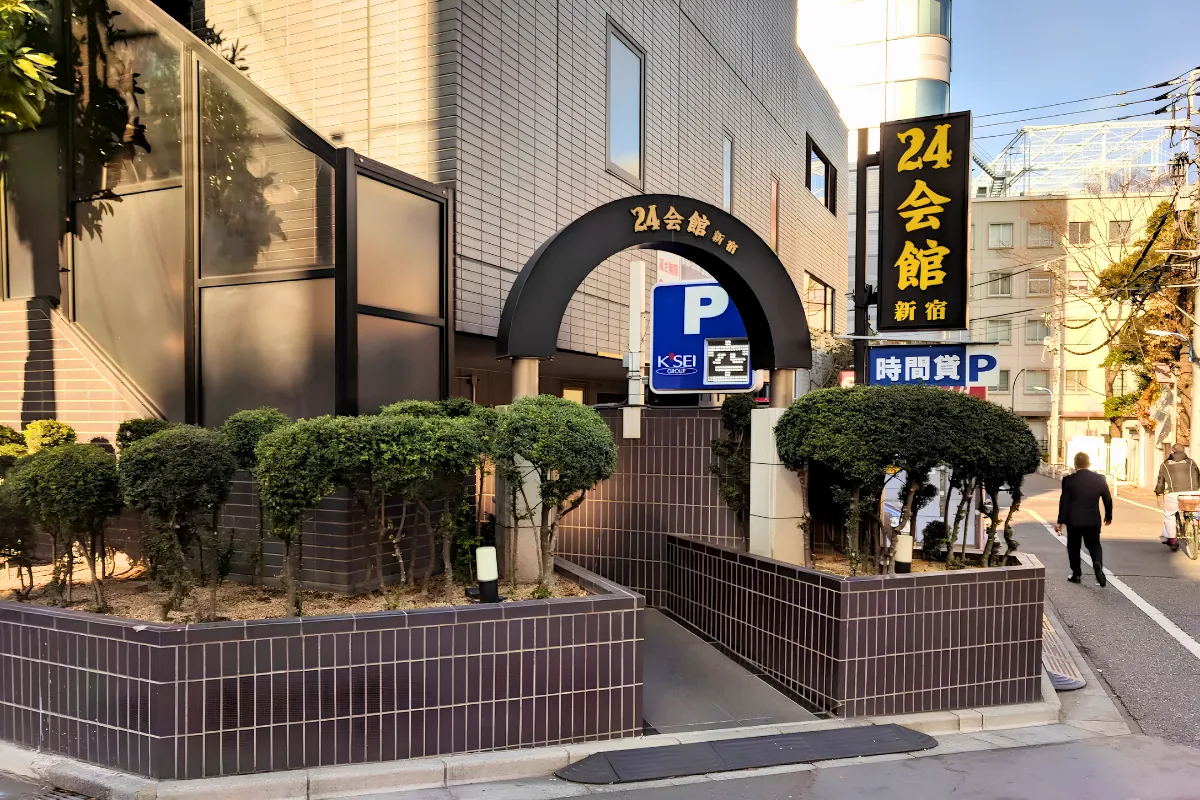
In the first instance, some locations are created specifically as cruising spots. The nature of these hattenba can vary, but bathhouses are a classic example (though these are different from typical public baths, as explained below). These can have a number of facilities designed for men making short-stays, including lockers, changing rooms, showers, saunas and, of course, baths. Some larger ones may even have specific rooms (or even floors) to cater to different tastes. 24 Kaikan in Nichome is one such example.
However, the term ‘hattenba’ has been applied to parks, toilets, and other publicly accessible places by some members of the community. One way or another, they have gained a reputation for being places where like-minded gentlemen may enjoy one another’s company.
This does not mean they are a recommended place to try and find some fun. Just because a place is known to be a cruising spot in the gay community does not mean that it is well known among others. Although some people do play in public, it is extremely risky, and you can face legal consequences if caught.
A Hattenba Is Not the Same as an Onsen or Sento
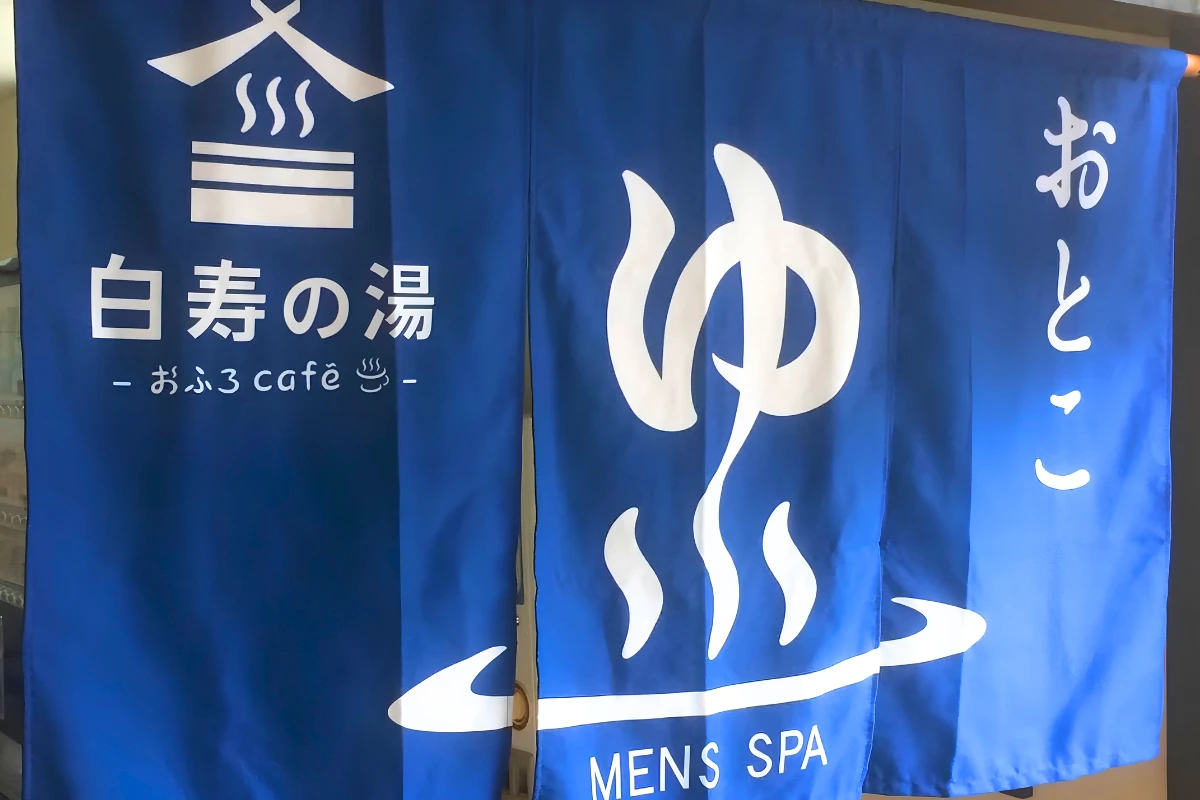
Japan has a long tradition of public bathing that exists to this day. For many Japanese people, a visit to an onsen (a natural hot spring where people may bathe) or a sento (a public bath) is an enjoyable part of the week. Many even book trips to go to specific onsen.
Japanese bathing customs mean facilities are usually divided by gender. Mixed-gender onsen do exist, but they are rare, and non-existent in Tokyo. Bathers are also usually required to be naked, with swimwear almost always forbidden.
This means that the vast majority of public baths are not hattenba.
If you enter somewhere described as a “public bath” and find lots of men bathing naked together, that does not mean it is a cruising venue. In most cases, it simply means you are in a Japanese public bath.
You should also follow the rules of any onsen or sento you visit. Just because someone online has labelled a normal public bath a hattenba does not mean the management will let canoodling slide. You may even risk arrest.
What to Expect in a Dedicated Venue
We’ve briefly touched on purpose-built hattenba above, but what can you expect at the cruising spot?
The first thing to do is check the specific rules of the location beforehand. These will usually be found on the hattenba’s website. While many will offer conveniences, such as lockers, this may vary from place to place. Don’t assume that because one hattenba has certain amenities that all of them will.
Additionally, certain places may have restrictions you should be aware of. They may admit or reject entry based on factors such as membership, age, appearance, hairstyle, language, or tattoos. For some hattenba, entry is not guaranteed and can even be subjective.
As always, follow the instructions and advice of the staff.
For more general hook-up advice, check out this article.

Essential Boundaries: Consent, Privacy, and Public Space
Now that you are in (or at) a hattenba, is it time to skip the foreplay and get down to business? Not necessarily.
Firstly, you must always ensure that you have the active and ongoing consent of any partner(s) whose fleeting companionship you wish to enjoy. Being nearby and naked is not the same thing as consent.
Always remember to respect the privacy of others around you. Videos and photos should not be taken in a hattenba. You should also not reveal the identity of anyone you met there without permission.

The rules of the establishment, and the directions of the staff, are final. Do not attempt to argue back if you’re instructed to do or not do something.
Anyone contemplating visiting a public place that the community has designated as hattenba should also be mindful of the law. Article 174 of the Japan Penal Code states that fines or even custodial sentences can be used as punishments if found guilty of public indecency.
Sexual Health and Safer-Sex Basics
This is always good advice, but before going to a hattenba, one should make sure to take all the necessary precautions to ensure enjoyable yet safe sex. This can include wearing condoms, as well as using compatible lubricant to reduce the risk of the condom breaking.
PrEP can also be taken to reduce the risk of contracting HIV, but requires testing and follow-up visits, and it does not protect against other sexually transmitted infections.
If you are worried that you may have been exposed to HIV, PEP can be taken — though it is time-sensitive and should be done quickly after potential exposure under the advice and care of medical professionals. For other STI concerns, make sure to visit a sexual health clinic as soon as possible.
For more general sexual health tips in Japan, please consult our article here.