
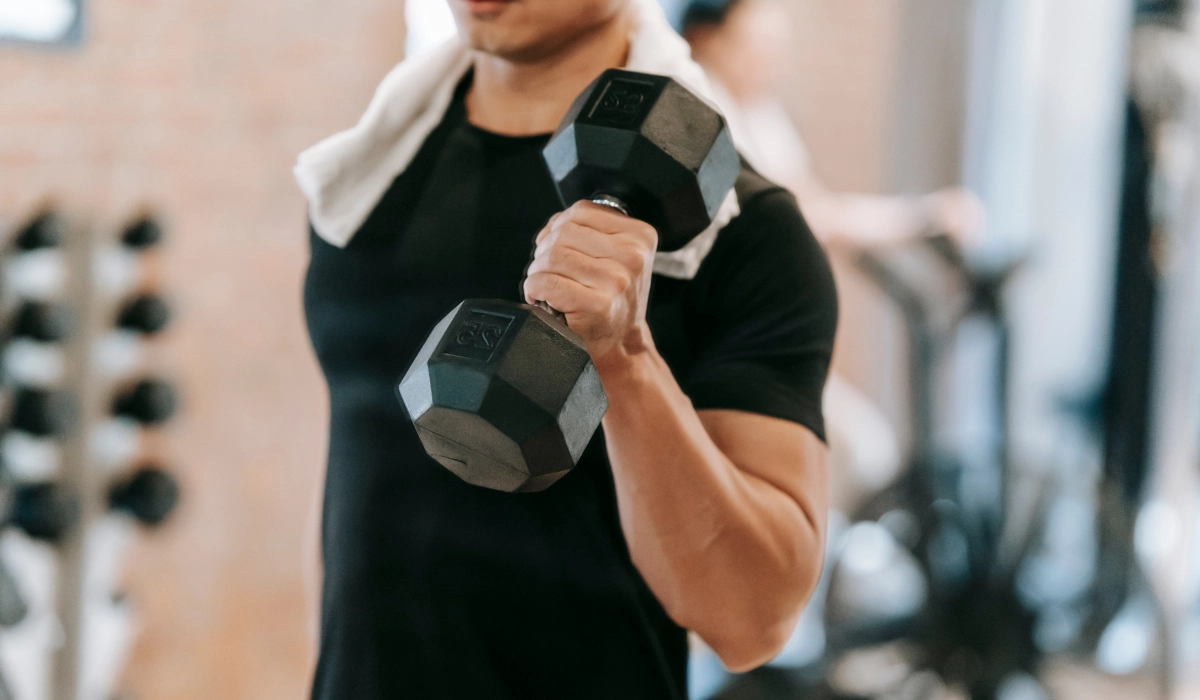

Trans people can join and use gyms in Japan. The hard part is usually not whether a trans person is allowed to exercise, but about understanding how a specific gym handles registration, changing rooms, showers, and privacy.
Japanese gyms don’t all operate under a single national policy. This means that experiences can vary between chains, branches, centres, and specialist facilities. This guide walks through the process in the same order most people encounter it: choosing a gym, signing up, using the facilities, and deciding whether questions need to be clarified with staff.
Important context
Japan does not have a single national gym policy for trans members. Public information is often incomplete, and practices can differ. This article will make clear the documented policies, reported experiences and where the rules are unclear.
Can Trans People Join Gyms in Japan?
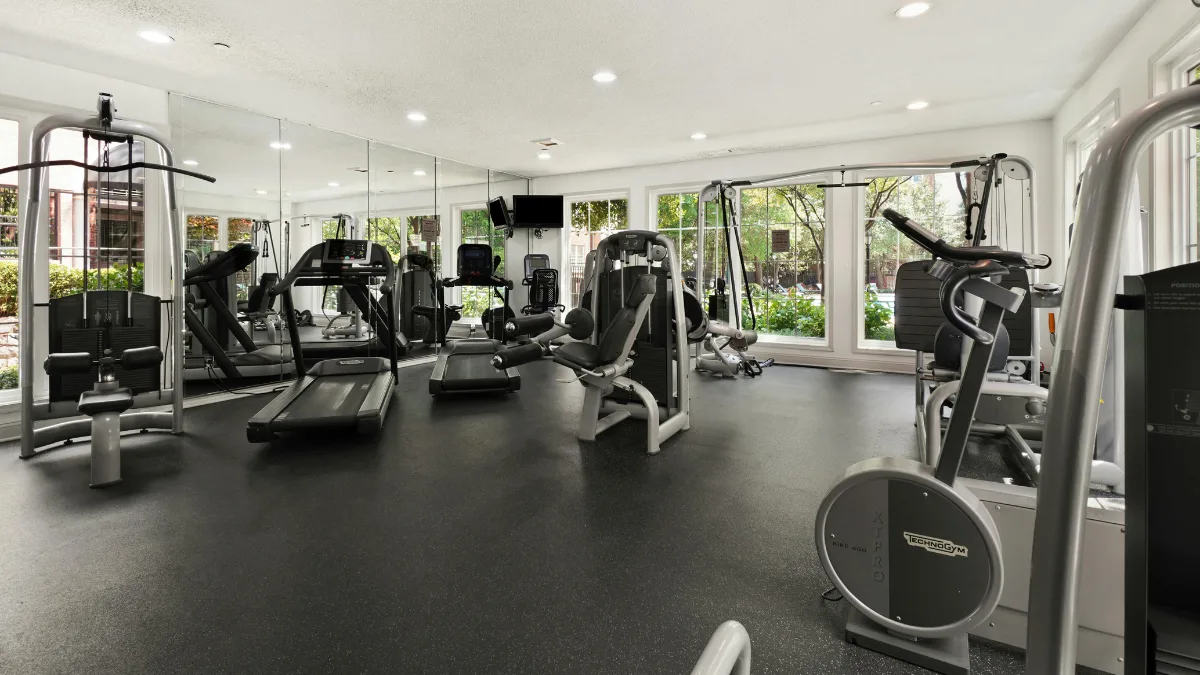
Trans people can absolutely sign up for a gym in Japan. However, being trans does not create one gym membership experience. Different gyms may have different registration processes, and practical questions can vary.
Registration, changing facilities, and whether there is a clear policy for trans and nonbinary members can be common considerations.
Signing Up: ID, Legal Names, and Registration Details
For many trans people, the most stressful part of joining a gym can be the signup process. Questions about identification, legal names, and membership records may arise before someone even starts exercising.
Will A Gym Ask For ID?
A majority of gyms will ask for an ID to sign up. Large commercial chains in Japan commonly request identification when creating a membership contract. This is especially common at 24-hour gyms, where staff verify identity before issuing an access key, QR code or app-based entry.
Acceptable documents typically include a passport, residence card, driver’s licence, My Number Card, or another photo ID.
This process is simply a routine administrative step. The purpose is to verify the membership contract and confirm that the person presenting the ID matches the document.
What If The ID Does Not Match My Current Name Or Presentation?
There are a couple of reasons why someone’s name or presentation on their ID might not match how they currently identify. A legal name change may still be in progress, or identification documents may not have been updated yet.
For example, someone may use the name they most identify with in everyday life, while their ID still displays a previous legal name and/or gender marker. During signup, staff may compare the ID with the person presenting it and enter the legal information required for the contract.
However, this mismatch does not automatically mean the gym will refuse membership. Many trans people join gyms in Japan without difficulty. The questions usually concern how the gym records information for the contract, whether a different name can be used on a membership card or in the app, and how the facility handles access to changing rooms and showers.
Can You Join a Gym in Japan Without Showing ID?
Whether you can join a gym without showing an ID depends on the type of facility.
Most major gym chains require identification for a full membership. However, some municipal sports centres, community fitness facilities, and pay-per-visit gyms allow entry without completing a long-term membership contract.
A Useful Example: App-Based Gyms
LifeFit is a good example of a different gym model. Registration, payment, and entry are handled through an app, which reduces the amount of face-to-face paperwork during signup. Users still create an account and provide personal information, and identity verification may be requested depending on the account or payment process. Overall, the experience is often more app-based and less dependent on a traditional front-desk registration process.
The Takeaway
If your legal documents don’t reflect your current name or gender, focus on the specific questions the gym needs answered.
Ask these four questions before paying a membership fee:
- ‘What information is required for the membership contract?’
- ‘Which name must be used for registration?’
- ‘Can a preferred or display name be shown on the membership card or app?’
- ‘Are there any facility rules that need clarification before joining?’
Getting clear answers to these questions is the fastest way to understand whether a gym is a good fit and what information is needed.
Which Changing Room Can Trans People Use at Gyms in Japan?
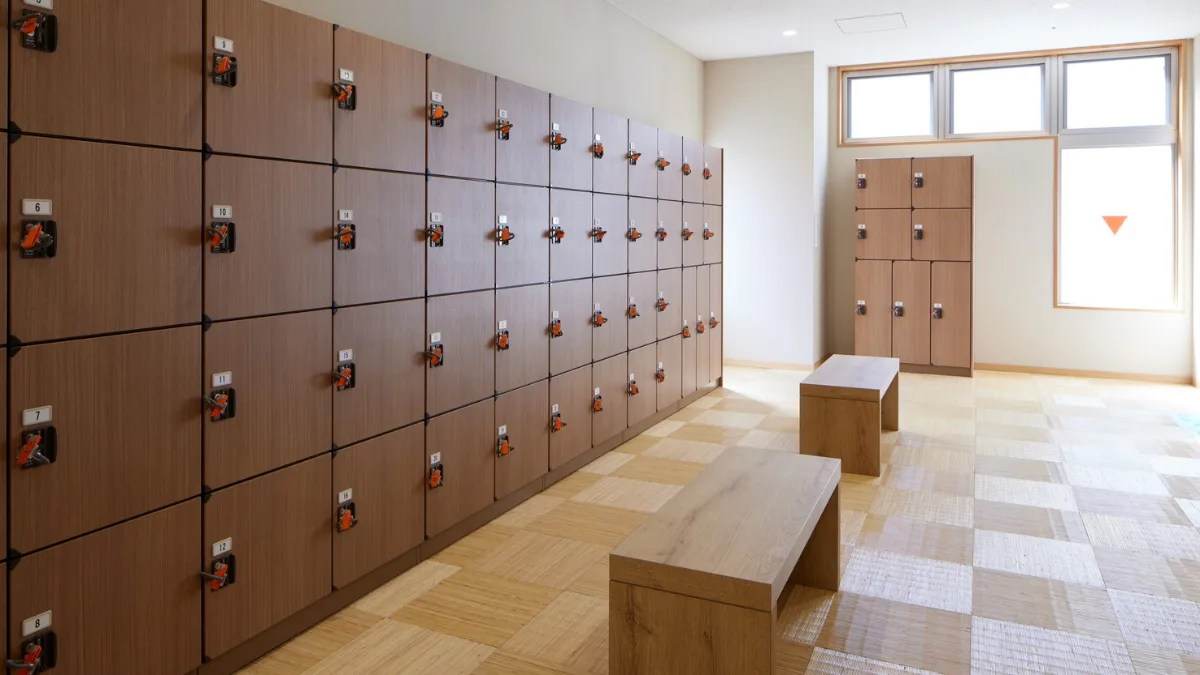
This is often the question that causes the most anxiety for trans people considering a gym membership in Japan. It is also the toughest question to answer.
There is no Japan-wide rule that clearly states which changing room every trans person must use at every gym. Policies can vary between gym chains, branches, sports centres, and private fitness facilities. In some cases, a gym may have a published policy. In others, the public information may be vague or incomplete.
Why Different Readers May Have Different Concerns
It’s important not to assume that every trans person experiences changing rooms in the same way. Some binary trans men and trans women may have no uncertainty about which changing rooms they expect to use. For them, their primary concern may be whether the gym will respect that expectation.
Other people may be concerned about:
- Whether staff will question them
- If their legal gender marker affects their changing room access
- Whether they can maintain privacy while changing or showering
- How a facility handles access when only men’s and women’s changing rooms are available
Private Changing Rooms and Individual Showers Can Reduce Uncertainty
Some gyms provide private cubicles, individual shower rooms, family spaces or other facilities. For some trans people, these options can make a first visit less stressful, particularly if they are unsure about a gym’s changing-room policies or want more privacy while changing or showering.
However, private facilities are an option, not a requirement. Many trans men and trans women use the men’s or women’s changing room that aligns with their gender without seeking a separate space. A private changing room or shower may be a useful preference for some, but it should not be treated as the default expectation for all trans gym users. When researching a gym, it can be helpful to check whether private facilities are available. Remember that the absence of them does not automatically make a gym unsuitable for every trans person.
When a Gym Only Has Men’s and Women’s Facilities
Many gyms in Japan have separate men’s and women’s changing rooms, lockers, showers, and sauna areas. For some readers, this may not create any uncertainty. For other readers, the situation can feel less straightforward.
What to do if the rule is unclear
Some nonbinary and gender-diverse people may experience a different kind of uncertainty. If a gym offers only men’s and women’s facilities, neither option may feel like an obvious or comfortable fit.
In practice, the question is less ‘Which room am I allowed to use?’. It is more ‘Which option feels safest, most comfortable, and most consistent with how this gym operates?’.
Examples of low-disclosure questions that help gather information before visiting a gym include:
- ‘Which changing room policy applies if a member’s legal documents or details don’t match their current gender identity?’
- ‘Are private changing spaces or individual shower rooms available?’
- ‘Can I see the changing-room layout before joining?’
These questions mean you don’t need to explain further about your transition than what you are comfortable sharing.
The key takeaway is that many trans people do use gyms in Japan. But the changing room question is often less about finding a single national rule. It is more about understanding the policy, layout and staff practices of the particular facility.
Do You Need to Tell Gym Staff You’re Trans?
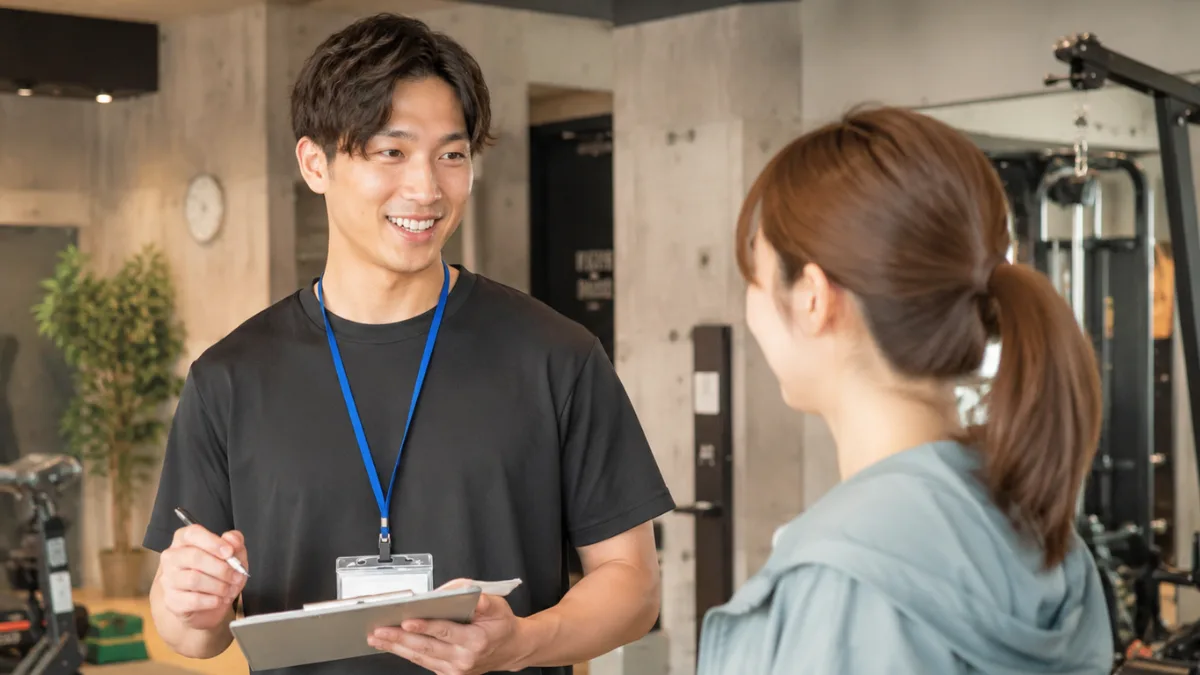
You are usually not required to tell gym staff that you are trans to join a gym in Japan. Many people complete the signup process without discussing their trans status at all.
Disclosure is usually relevant if you need clarification about specific details or rules. That may include situations such as:
- Your legal documents or registration details do not match the name or gender you currently use
- You want to confirm which changing-room or shower facilities are available
- You need to know whether the gym offers private changing spaces or individual showers
- You have a question about how a particular facility policy is applied in practice
These are operational questions about the gym’s procedures, not a requirement to explain your identity. If your information is accepted and you have no unanswered questions about the facilities, being trans may never come up.
When direct clarification can still be helpful
If a specific gym rule is unclear – particularly around facilities – it can be useful to ask for direct clarification before joining. The goal is to understand how that particular facility operates so that you can decide whether it feels comfortable and workable for you.
In many cases, the most effective approach is not a broad disclosure of being trans. It is a focused question about the exact policy or facility that affects your gym experience.
Comparing Common Gym Chains in Japan
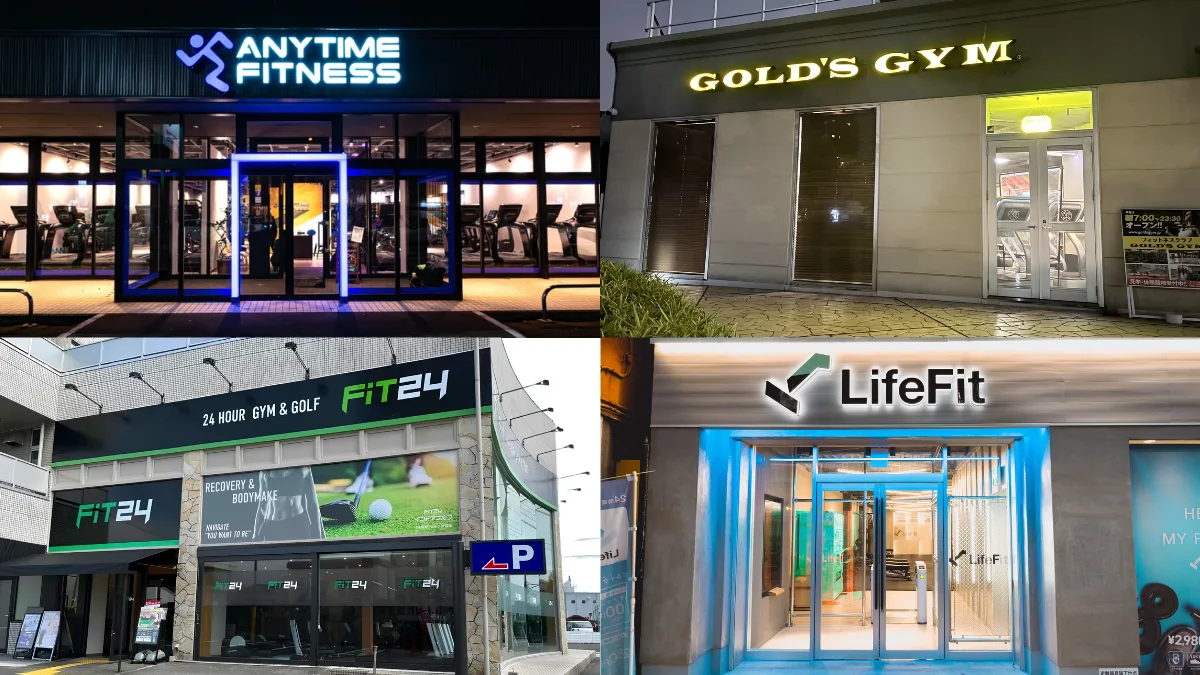
Many trans people searching for a gym in Japan encounter the same question:
Which chains are likely to involve ID checks, traditional changing rooms, or branch-specific policies?
These details are not standardised across Japan. The table below compares several major gym operators from only publicly available information.
This comparison is intended as a practical reference rather than a definitive ranking of gyms. Individual branches may have different layouts, staffing practices, and levels of policy clarity.
Quick comparison table
| Gym | Sign up style | Confirmed ID requirement | Changing facilities |
|---|---|---|---|
| LifeFit | App-based, minimal front-desk interaction | Identity verification may be requested during account or payment setup | Showers at many locations; layout varies by branch |
| Anytime Fitness | Traditional membership with ID check | Typically requires government-issued ID for membership contracts | Men’s and women’s changing rooms are typical |
| FiT24 | Branch-dependent registration process | ID is commonly requested during membership setup | Gender-separated facilities where provided |
| Gold’s Gym | Staff-assisted membership registration | Typically requires ID and contract verification | Full changing rooms and showers; some clubs have additional spa facilities |
| chocoZAP | App-based self-service entry | Account verification is usually completed digitally | Many locations have limited traditional changing facilities |
Notice
Gym policies can vary by branch, and staff may follow local procedures even within the same chain. Use this table as a practical comparison rather than a guarantee of a specific policy at every location.
The chains above are only one part of Japan’s fitness landscape. Many trans residents and travellers instead use sports centres, public facilities or smaller specialist gyms. For example, powerlifting, boxing, and kickboxing gyms.
These facilities often differ more in layout, staffing style and privacy options, which is why they are worth considering.
Municipal Gyms and Smaller Specialist Gyms May Work Differently
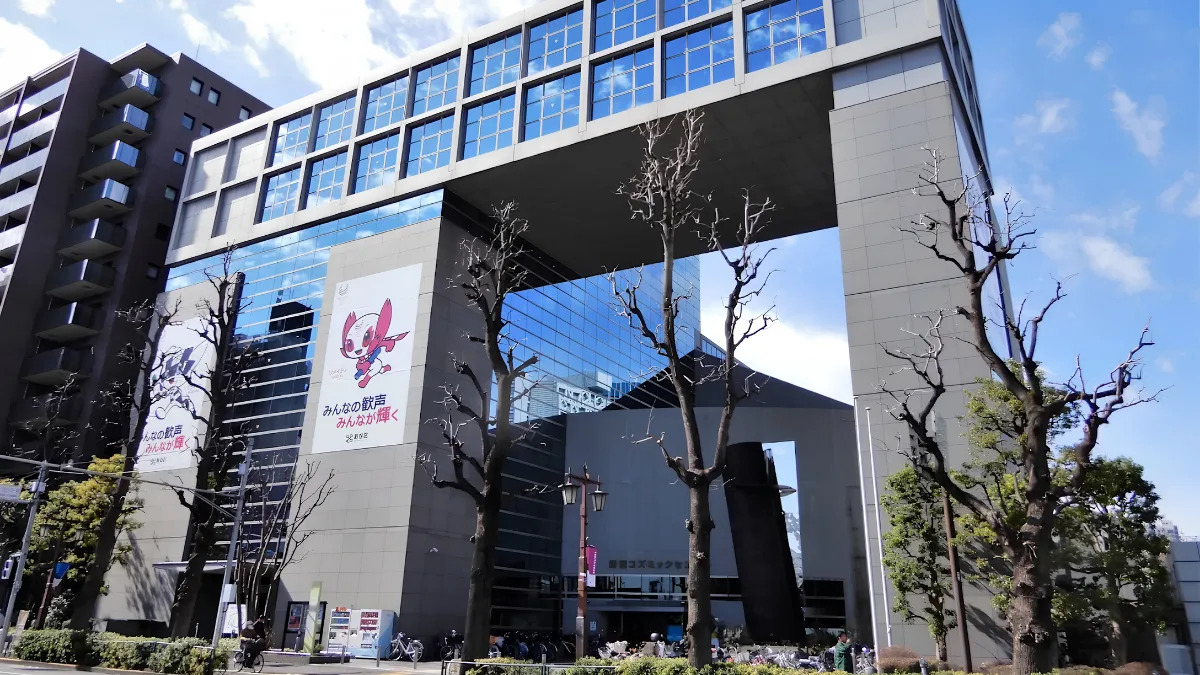
Most discussions about gyms in Japan focus on large commercial chains, but they’re not the only option. Municipal fitness centres and smaller specialist gyms often operate quite differently. Those differences can matter for trans members.
Municipal fitness centres
Municipal gyms (sometimes called 市営, 区営 or 町営スポーツセンター in Japanese) are public facilities run by a city, ward or local government. They are often significantly cheaper than commercial gyms, with many offering single-visit entry. These can be ideal for those wanting to try the gym before signing up, or a traveller wishing to exercise during their trip to Japan.
Typical practical differences
| Factor | Municipal gym |
|---|---|
| Cost | Usually the cheapest option |
| Equipment | Can range from basic to surprisingly well-equipped |
| Signup process | Often simple; some facilities allow pay-per-visit use |
| Staffing | Public-facility staff rather than sales-focused gym staff |
| Community size | Broad mix of local residents |
| Changing/ shower facilities | Varies greatly by facility |
The key difference with municipal gyms is that they are all different. One centre may have a lot of equipment, private shower cubicles and accessible changing spaces. Another may have a much more traditional layout with only men’s and women’s changing rooms and limited privacy options.
These facilities can be inexpensive, so they can be attractive for someone who wants to try exercising without a membership. However, low cost does not automatically tell you everything. The facility’s layout, privacy level or how staff handle questions related to changing-room access still come into play.
Smaller weightlifting, boxing, and kickboxing gyms
Specialist gyms are a different model again. A powerlifting gym may consist of a single training room with a small reception area. While a boxing or kickboxing gym may have a close-knit community and regular coached sessions.
Typical practical differences
| Factor | Specialist gym |
|---|---|
| Cost | Varies widely |
| Equipment | Often excellent for the gym’s specific sport |
| Signup process | Sometimes more informal or conversation-based |
| Staffing | Direct interaction with owners or coaches is common |
| Community size | Usually smaller and more consistent |
| Changing/ shower facilities | Can be minimal or very limited |
A smaller gym can feel easier because there are fewer administrative steps and it’s possible to speak directly with the owner or coach. For some, the same environment may feel more intimidating because interactions are more personal.
It is important not to assume that a smaller or specialist gym is automatically more inclusive. Some independent gyms are extremely welcoming to LGBTQ and trans members. While others may have little experience with trans clients or may not have thought through facility policies at all. The deciding factor is usually the individual gym’s culture, staff approach, and physical layout – not simply its size.
Five Questions to Ask Before Joining a Gym
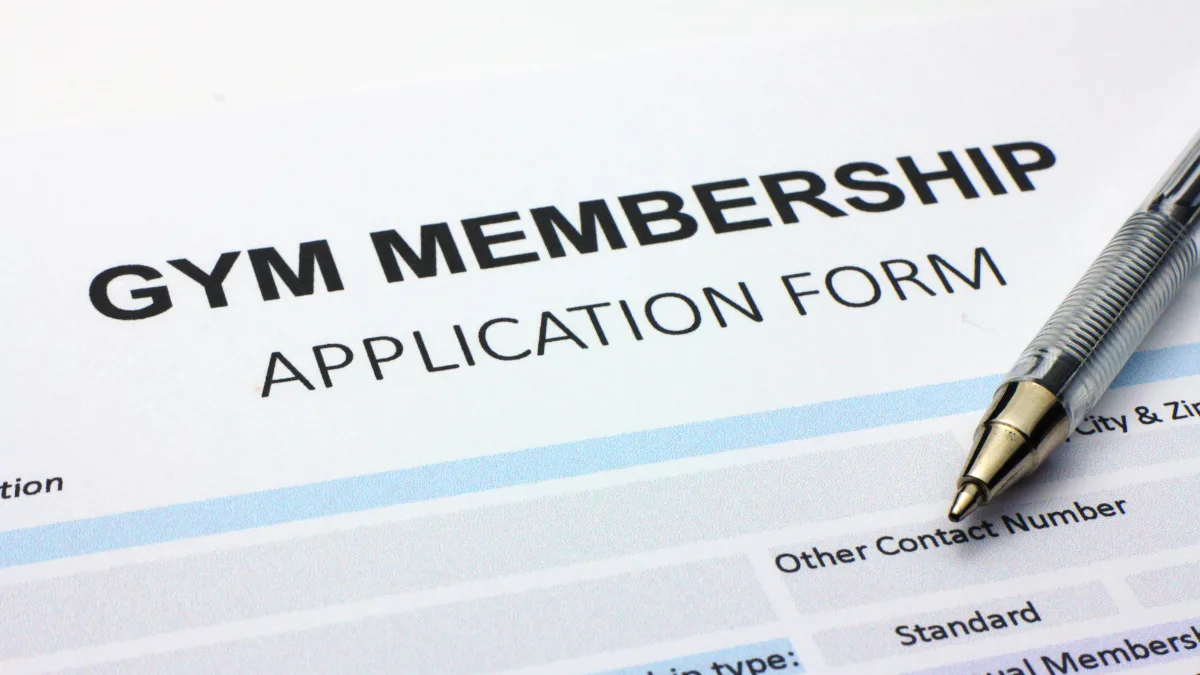
If a gym’s public policy is unclear, you do not need to guess. A small number of questions can provide more useful information than searching through T&Cs and FAQs.
- What identification or legal information is required to join?
- Does the gym have private changing rooms or only communal changing areas?
- Are the showers individual or communal?
- Are there gender-neutral, private or single-user facilities?
- If the gym only has men’s and women’s facilities, is there a published facility rule or someone I can ask before joining?
These questions are designed to help readers understand how a gym handles registration, facilities, changing rooms and privacy. They focus on the gym’s procedures rather than the member’s identity, which means you can often get the information you need without explaining your transition history, medical treatment or other personal details.
Useful Japanese Phrases for Asking About Changing Rooms and Showers
If you are visiting a gym in Japan, you do not need to explain your transition history to ask practical questions about the facility. A lot of the time, a simple question about changing rooms, showers, or membership procedures is enough to get the information you need.
These phrases are designed to be polite, direct, and low-disclosure.
Asking About Private Facilities
| Are there private changing rooms? | 個室の更衣室はありますか? | Koshitsu no kōishitsu wa arimasu ka? |
| Are there private shower rooms? | 個室のシャワールームはありますか? | Koshitsu no shawā rūmu wa arimasu ka? |
Asking About the Facility Layout
| Can I see the changing room area before joining? | 入会前に更衣室を見学できますか? | Nyūkai mae ni kōishitsu o kengaku dekimasu ka? |
| Where are the showers located? | シャワーはどこにありますか? | Shawā wa doko ni arimasu ka? |
Asking About Membership Information
| What identification is required for membership? | 入会に必要な身分証は何ですか? | Nyūkai ni hitsuyō na mibunshō wa nan desu ka? |
| Which name must be used for the membership contract? | 会員契約にはどの名前を使用する必要がありますか? | Kaiin keiyaku ni wa dono namae o shiyō suru hitsuyō ga arimasu ka? |
Asking About Changing Room Rules Without Disclosing You Are Trans
| How is changing room access decided for members? | 会員の更衣室利用はどのように決まりますか? | Kaiin no kōishitsu riyō wa dono yō ni kimarimasu ka? |
| What is the gym’s policy if a member’s documents do not match their current presentation? | 書類の情報と現在の見た目が異なる場合、更衣室の利用ルールはどうなっていますか? | Shorui no jōhō to genzai no mitame ga kotonaru baai, kōishitsu no riyō rūru wa dō natte imasu ka? |
A Simple Phrase If You Feel Nervous
If speaking Japanese feels overwhelming, this shorter sentence is often enough:
| I would like to ask about the changing rooms and showers. | 更衣室とシャワーについて質問したいです | Kōishitsu to shawā ni tsuite shitsumon shitai desu. |
You can then show the specific phrase from this list on your phone if needed.
Conclusion
Trans people can join and use gyms in Japan. However, the experience is usually shaped more by a gym’s registration procedures, facilities and policies than by a single rule.
The best next step is to shortlist one or two gyms. Then check their ID and facility requirements and arrange a tour, trial session or visit before committing to a membership. Seeing the layout in person and asking a few questions is often the fastest way to decide whether it feels comfortable and workable for you.