

If you listen to the opinions of some of the most vocal chuds on the Internet, you might get the impression that being transgender is something that emerged recently. In fact this, could not be further from the truth. Transgender, gender non-conforming, and third-gender people have been a part of human life since pre-history, and the same is true in Japan.
However, during the Meiji Restoration, when Japan began to open itself internationally and gradually “modernize” to keep pace with the west, it also adopted a number of ideas about gender binaries that undermined many long-standing views about gender diversity that had existed in Japan.
To promote understanding and awareness of the pre-modern gender and sexual diversity that existed prior to the end of the Sakoku era, Kokugakuin University in Shibuya, Tokyo, hosted the exhibition, ‘The History of Transgenderism in Japan: Neither Male Nor Female, Yet Both Male and Female.’
Pre-modern Without Preconceptions
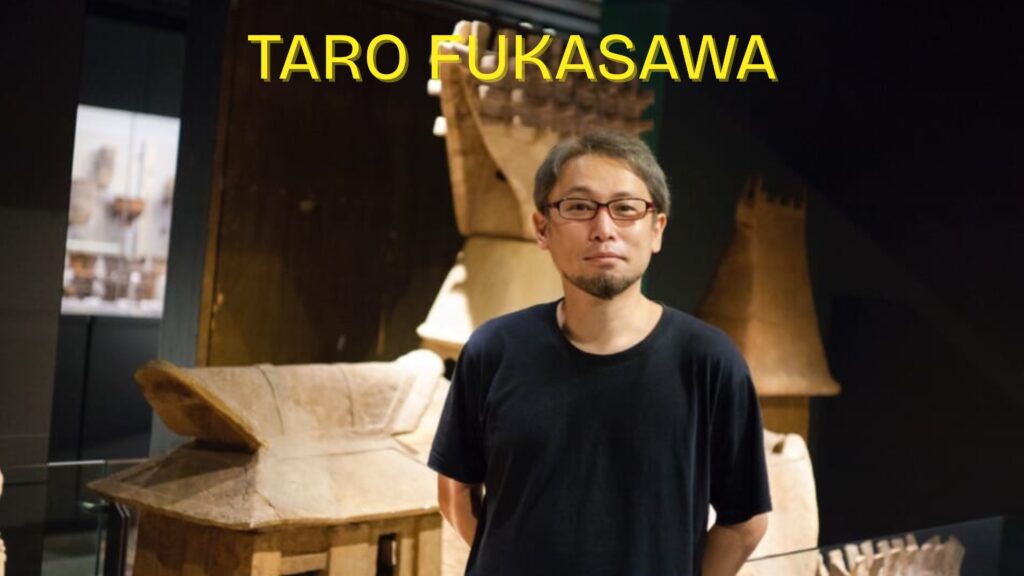
“For 150 years since the Meiji era, Japan has upheld strict sexual norms based on a gender binary,” says Taro Fukasawa, the professor who curated the exhibition. “However, this exhibition aims to shed light on the historical truth that diverse sexualities existed in reality, and to realize a society that does not tolerate discrimination against sexual minorities.”
The exhibition aims to make it clear that, despite the major changes in perception of gender since the Meiji Restoration, the wider acknowledgement of gender diversity is not just freeing people up to new ways of living: it is actually reintroducing a tolerance of difference that once thrived in Japan.
“Many visitors were surprised to learn these previously unknown facts. Many members of sexual minorities also visited, praising the exhibition as a groundbreaking, unprecedented experience,” Fukasawa explains.
“The diverse sexualities that existed in Japanese culture were suppressed by new social norms introduced 150 years ago. However, coupled with current trends overseas, we believe that a combination of factors is leading to a resurgence of these diverse sexualities.”
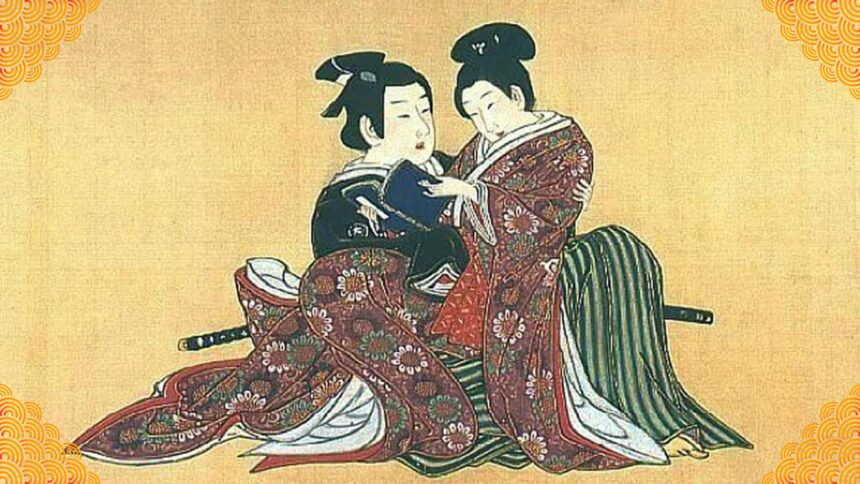
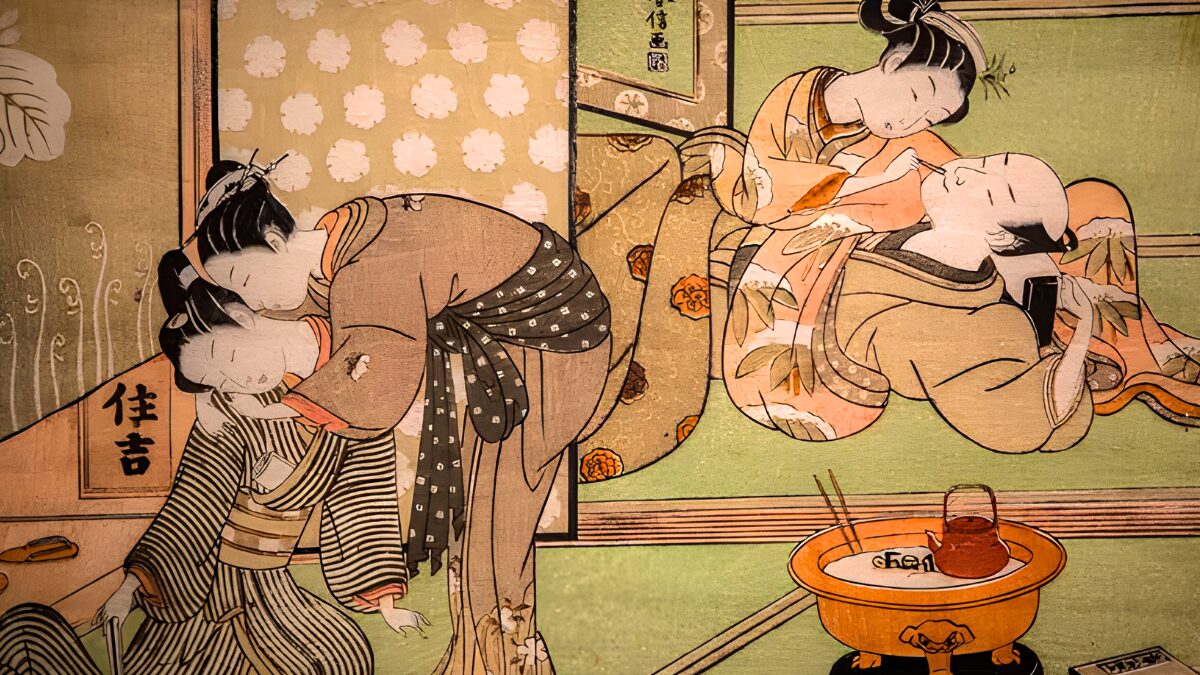
These include displays of newspaper articles and illustrations that depict the suppression of people who cross-dressed, or — in one case — were in a same-gendered marriage, and were forced to divorce. Needing to apply the power of the state to repress such sexual and gender expression is indicative of not just how natural it is to reject the gender binary, but also of how unnatural it is to suppress people’s instincts.
Indeed, the exhibition also shows many examples of diversity in gender expression dating back all the way to the Kofun period, which spanned roughly 300CE to 540CE. These includes men who were buried with vertical combs, a symbol of feminine dress. This care to preserve their expression even after passing is evidence that gender non-conformity was not just tolerated, but respected, even a millennium and a half ago.
The Divine Ambiguity
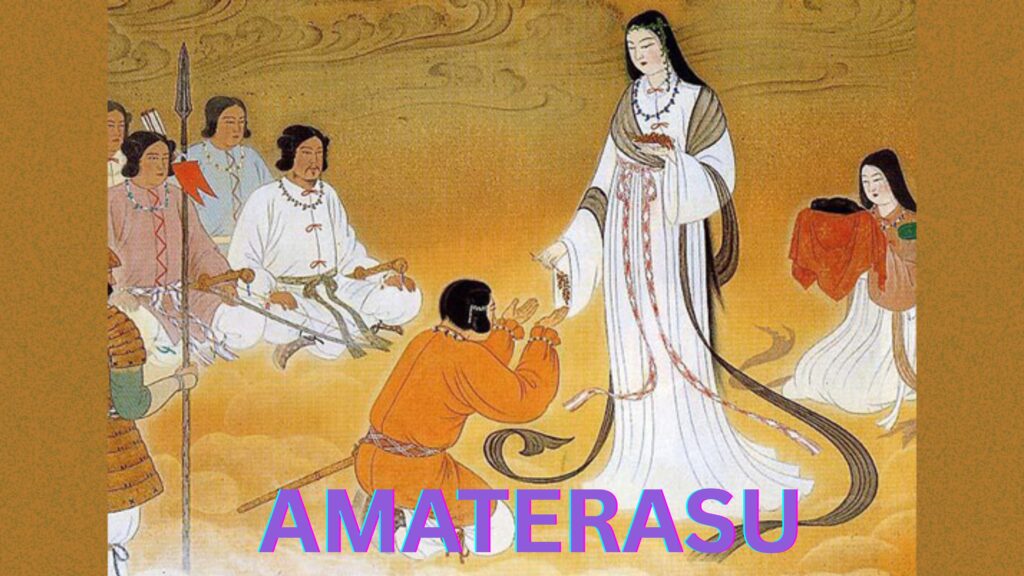
There are also tales of Amaterasu, the Goddess of the Sun, and often considered the supreme deity from whom the Imperial family is said to descend, dressed in male clothing, that were published in 720CE, in works edited by Prince Toneri, who famously compiled the Nihon Shoki, or Chronicles of Japan.
If a figure such as Prince Toneri — who wielded incredible political and literary power that has influenced Japanese culture even to this day — was aware of people (and even Kami) who transgressed stereotypical gender boundaries, then it is absurd to think that it would have been unknown to the general populace. Indeed, Junko Mitsuhashi, a gender and sexuality scholar (as well as the first recognized transgender university lecturer in Japanese history), describes a “dual gender principle,” wherein many believed that those whose identity comprised both feminine and masculine possessed supernatural powers.
Looking Back, Moving Forward
Part of the reasoning behind holding this exhibition is to not just reassess what gender, its expression, and its role in Japanese society during the pre-Meiji Restoration era, but also to consider how this history can inform our views of gender in Japan today. As the exhibition says, in its epilogue: “Even today, the ‘dual gender principle’, which pursues a power transcending the animalistic limits of sexual difference, lives on all around and within us.”
At the same time. Fukasawa reminds us not to overly romanticize the past, but instead use its lessons to help us move into a broader, more open future.
“Sexual behavior and sexual expression cannot be clearly separated. The ambiguous existence of being neither male nor female existed before the Meiji era and continues to exist today,” he says.
“In light of modern human rights awareness, the pre-Meiji era was not necessarily an easy time for people to live. However, there was a time in the past when sexual diversity was more accepted than it is today, and we hope that this exhibition will raise awareness that diverse lives will continue to exist.”
Indeed, despite the state-sponsored crackdown on gender non-conformity during the Meiji Restoration, many traditions, practices, and communities have survived, unbroken, to this day. Places like Edogawa in Tokyo and Yokohama in Kanagawa continue to hold festivals wherein men dress in effeminate kimono, and wear geisha-style make-up.
Furthermore, the 17th Century edict against women performing in Kabuki has led to a long and storied tradition of men actors who perfect the art of performing as women. The Takarazuka Revue, an all-woman performance theater was produced incredible otokoyaku actors: women who perform men’s roles.
Even in the face of the power of the state, even in spite of the dangers of a society that was increasingly hostile, transgender and gender non-conforming people have always existed, and always will. The suffix of the exhibition may be, “Neither Male Nor Female, Yet Both Male and Female,” but your humble owner’s addition, were they permitted to give one, own addition would be: “Immortal.”