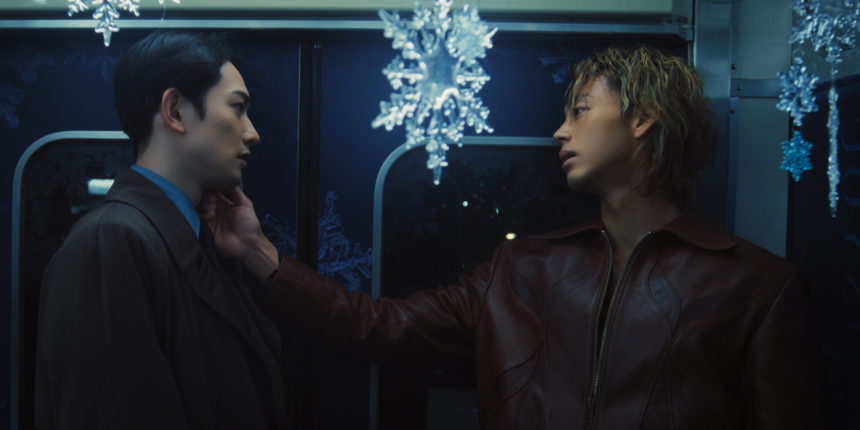

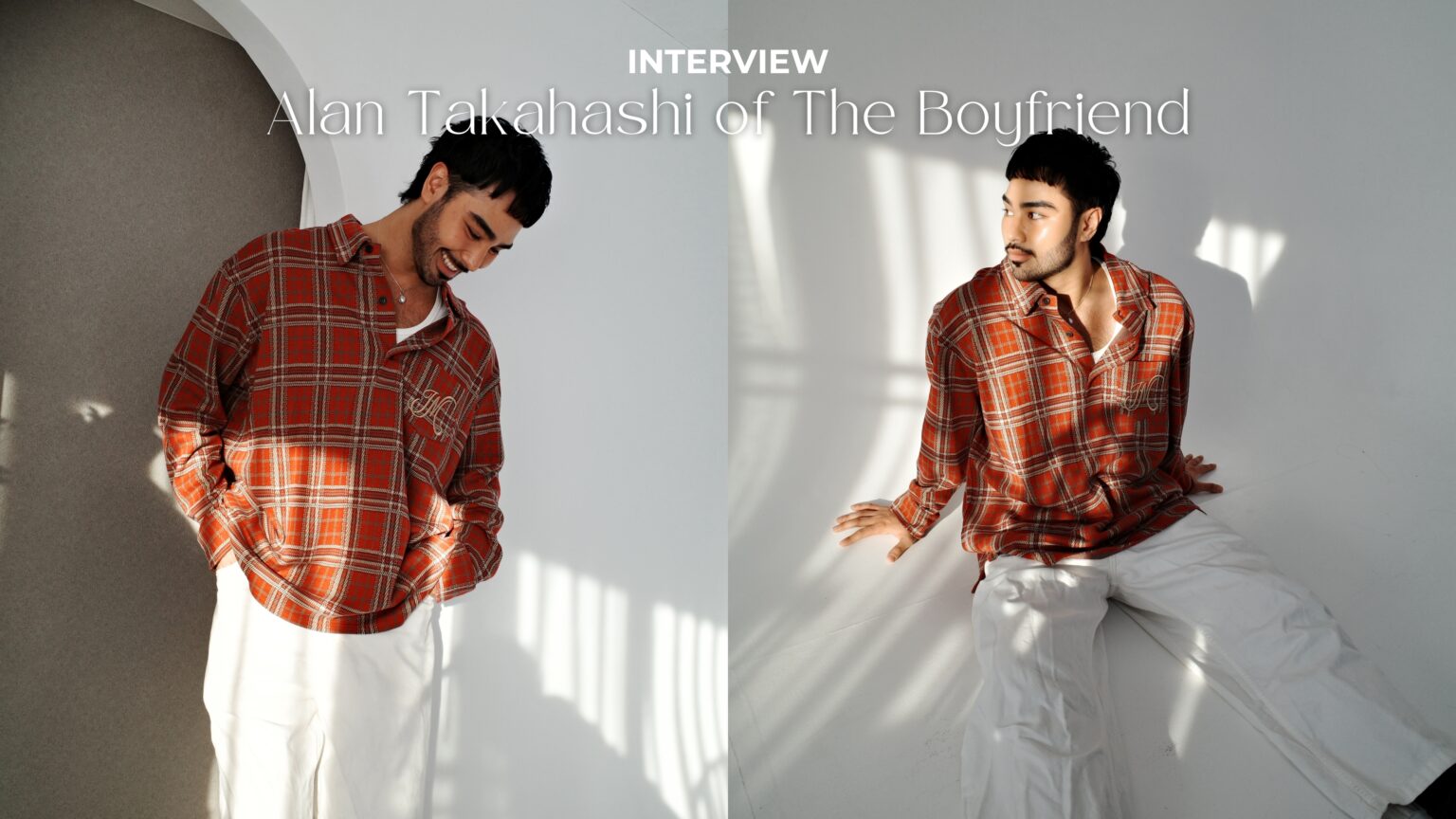

On 27 January 2026, the crew of the Japan Gay Guide was lucky enough to sit down and have an interview with Alan Takahashi, one of the cast members of the hit Netflix series The Boyfriend. The Brazil-born influencer, whose maturity combined with a youthful energy won hearts all over the world, was kind enough to answer a number of questions that many of his fans have been aching to hear.
You can watch the full interview here.
How has your life been affected by appearing on The Boyfriend?
Initially, I was a little worried. Because The Boyfriend is the first Japanese reality show about gay men, I didn’t know how it would be expressed or received. But in the end, it was a real turning point for me. Not only have I had a lot of opportunities as a result of the show, but because I received a lot of kindness, throughout the show, I was reminded of the importance of being kind. You should infuse the essence of kindness into what you think and what you feel. Now, my personal life feels connected to my work life. If my work is about communication, then communicating what you think is very important. Even within this context, I mix my personal and professional lives. There are many different versions of myself, but they are all Alan.
What is a lesson that you have learned as a result of the show?
After The Boyfriend, I met all sorts of people and got all sorts of love, but I realized that the important thing is how you process emotions. This includes love, but also includes anxiety: it’s important to manage feelings, rather than choosing between them. It’s also important to find things about yourself that are exciting, but you also need to be aware of your flaws, even new ones.
What are your feelings about LGBTQ+ life in Japan today?

There has been an increased willingness to accept people who are different. I think social media has been a big help. Now, even a small screen can expand the world. 20 years ago, I was growing up in a Japan where being different was seen as being bad. Today, though, you can show the world a lot of things about yourself. That leads to a kind of evolution. Now, we even see people on TV saying “it’s okay not to be like everyone else.” Being different is the same as being special. Before social media, I think people who felt different felt alone.
What was your childhood growing up in such a society like? What did it teach you?
Back when I was in elementary and middle school, even though I hated being alone, I was afraid to make friends. I was bullied, and for a time I even stopped going to school. But after middle school, I realized I would never be happy being this way. When I entered high school, I started raising my hand and loudly shouting, ‘excuse me!’ whenever I had a question about what the teacher was writing on the board. Some people were shocked, but it led to me making new discoveries and experiencing new happiness. It’s good not to always be in your comfort zone. A comfort zone can be important, but if you become too comfortable, then eventually you will never leave.
What inspired you to become the person you are today?
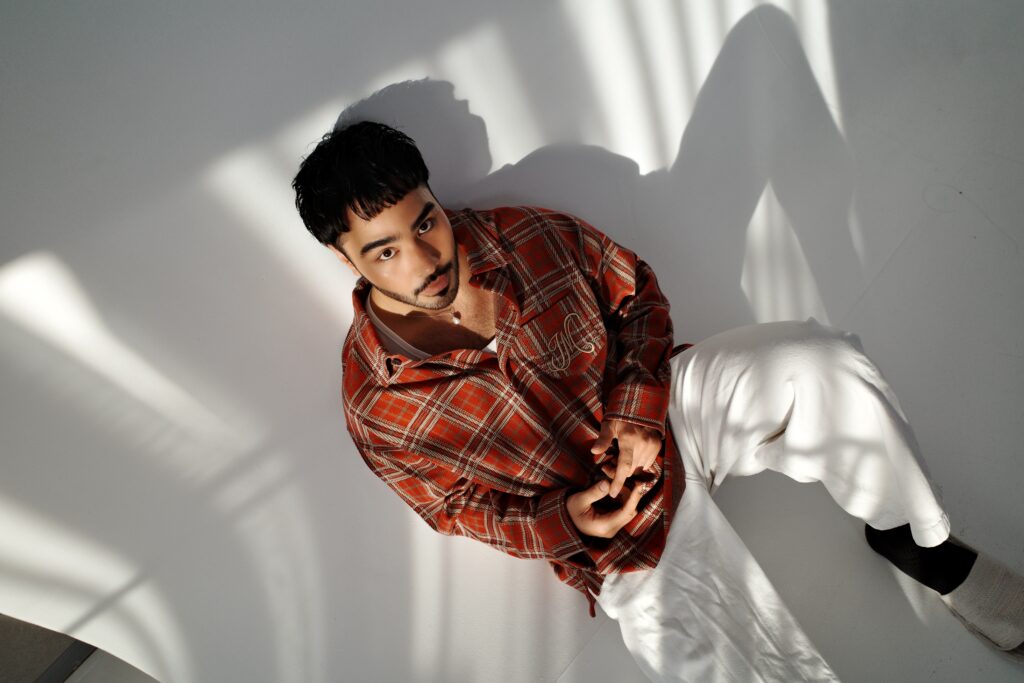
I’ve been encouraged by people like Naomi Watanabe, who would dance and shake her ass. In Japan it’s “best” to be thin, but she didn’t care. That strength gave me courage. I’m fine as I am. Being LGBTQ+ is not about being self-centered, but about being true to yourself as a human being. I will support this notion until the day I die, while dreaming of a world where nobody cares about sexual orientation to the point that we only see one another as people. After The Boyfriend, when someone said “thank you for giving me the courage to be myself,” I realized, for the first time, what it meant to be myself.
What advice would you give to our readers today?
In the end, the courage to be yourself comes only after a series of small revelations. For example, being yourself and being “selfish” can sometimes overlap. But when I look through the lens of kindness, I can instead see self-care, and care for others. But, it’s good to find a middle ground. Rather than trying to do the impossible, focus on what you can do now. After hardships, some people become strong, but they use that strength only to protect themselves. On the other hand, some react to hardships by becoming kind, wishing they had experienced that kindness, however they use that kindness only for the happiness of others, never themselves. Or, as another example, the happiness that you get from doing things that you love comes from the fact that you are not doing them all the time. I think that I’ve found a happy middle.
Click here for the full interview.