

LGBTQ+ Travel: Live Like the Shogun on the Edo Shogun Road

Tobias Waters

History buffs among Japan Gay Guide readers will be aware of the queer history of the samurai. Many notable samurai throughout Japanese history have been known to enjoy relationships with other men, including Oda Nobunaga, the first great unifier of Japan. Based on contemporary sources, many scholars believe that he was bisexual, and most notably took a lover in Ranmaru Mori. Not only that, but his successor, the leader of the Tokugawa Shogunate, was also said to have had a sexual relationship with his retainer.

This may not come as a surprise to many: while it might be a stretch to say that homosexuality was a non-issue in pre-modern Japan, anyone who has enjoyed Shogun will remember the moment when the Anjin is aghast that he would be offered a woman to spend the night with, to which Lady Mariko nonchalantly replies, “would you prefer a male companion?”.

Shows like Shogun have given audiences across the world a glimpse into a Japan before nineteenth century modernization, including the quiet joys of travelling through the country to the capital of Edo (now Tokyo) along the old paths that stretch to all corners of the country.

Well, what if we told you that you can follow these very paths yourself? Today, we’d like to introduce the Edo Shogun Roads, a project that will allow visitors to experience the charms of Edo era Japan in the modern age. Walk with us, and let’s traverse the Edo Shogun Roads together.

What are the “Edo Shogun Roads”?

In 1603, Ieyasu Tokugawa, the victor of the Sengoku Warring States period, established the Tokugawa Shogunate, unifying Japan under his command, and leading to years of rapid economic growth and cultural development. This included the enforcement of a stratified caste system, with the Emperor nominally at the head, but which the Shogun actually controlled. As part of this system, the various daimyo lords of Japan were expected to make journeys to Edo once every other year.

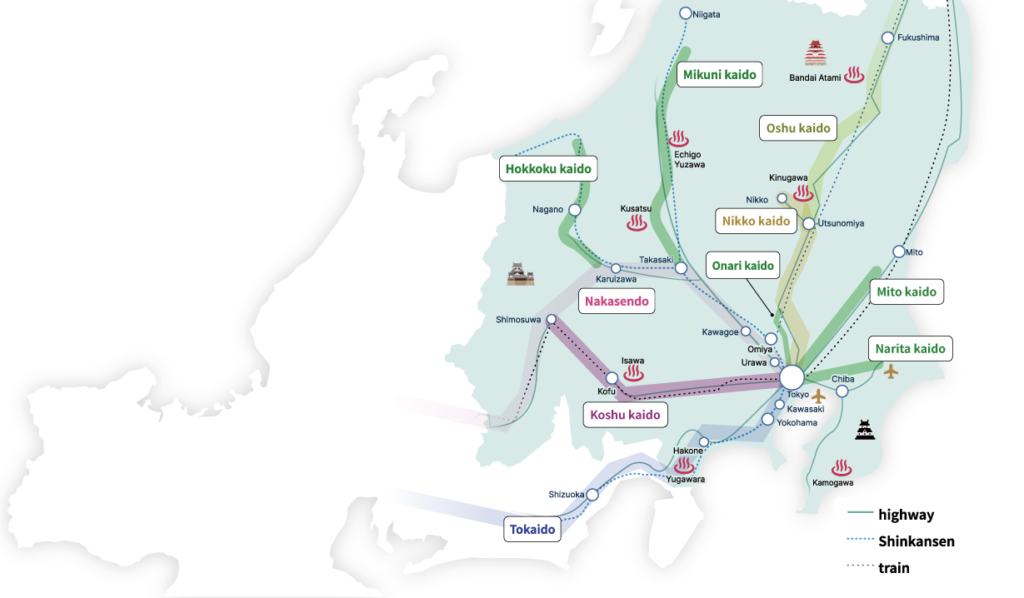
To achieve this, Ieyasu ordered work to begin on five roads, known as the Gokaido, which were then declared to be major routes by his descendent, Ietsuna, the fourth Tokugawa Shogun. The roads were the Nikko Kaido, Oshu Kaido, Koshu Kaido, Nakasendo, and arguably the most important, the Tokaido, which linked Edo with the official capital of Kyoto. These roads have become an indelible part of the story of Japan — and now, you can travel these same roads and experience that history yourself.

The Five Roads Today

map 20260303 1 1
Japan Today, Map of historical Japanese kaido routes and modern transit networks (2026), spread featuring historical Japanese highway systems. Image courtesy of Japan Today.

These roads have, in many ways, become the blueprint for Japan’s modern transport infrastructure. Speaking at an event to promote the Edo Shogun Roads on 20 March, Atsushi Horimitsu, the vice-governor of Saitama prefecture (north of Tokyo and famed for its strawberries and sake) said, “all Shinkansen trains go through Saitama, but they all stem from the Gokaido."

Since 2022, the Kanto District Transport Bureau has been working to promote the numerous tourist attractions and historical sites that can be seen along the Gokaido, given domestic and international travellers the chance to explore facets of Japan that they might otherwise overlook. Now, in conjunction with the Ministry of Land, Infrastructure, Transport and Tourism, it is taking the next steps to advertise not only the existing attractions of these five paths to the past with fresh promotional material, but is also announcing a number of Edo cultural experience programs, and looking ahead to the future, while keeping the spirit of the past very much alive.

All Roads Lead to Edo

The first major effort that the Edo Shogun Roads project has undertaken is to create a new portal site for anyone curious about exploring any of the quintessential five roads. In addition to a number of videos to offer prospective visitors a vertical slice of what they can see and do on their journey, it also provides in-depth information on each initiative, event, and attraction, as well as offering model itineraries for all who are interested.

All New Website Portal

The website will feature detailed information about the roads, what can be seen along them, and even examples of trips that you can plan. These are designed to showcase not only the myriad historical attractions that lie along the Gokaido, but also the beauty of the scenery, seasons, and nature of Japan. Part of the appeal of these routes, and part of the goal of the project, is to introduce tourists to a break where the journey is as much part of the joy of travel as the destination, as opposed to city-hopping breaks where catching a train or a plane is little more than a conduit to a major urban hub.

GREENxEXPO 2027 Garden and Flower Collaboration

2 Tile Thumbnail 3
GREEN×EXPO Association, Conceptual image of the main garden for GREEN×EXPO 2027 (2026), spread featuring the Garden and Flower Collaboration design. Image courtesy of Japan Association for the International Horticultural Expo 2027, Yokohama.

Between 19 March and 27 September 2027, Yokohama will be the host of GREENxEXPO 2027, an international horticultural exhibition. The theme of GREENxEXPO 2027 is “Not ‘the Earth’, but ‘With the Earth’,” to emphasise how humanity should not think of our home as an object to be acted upon, but instead as a living partner with us.

In partnership with GREENxEXPO 2027, Edo Shogun Roads has developed 17 model routes for potential travellers to browse. The itineraries are not only designed around each route, but have multiple variations depending on the season you will be visiting, so you’ll be able to discover the best of the nation’s floral glories no matter when you visit. They also highlight establishments like sake breweries, farms, and tea houses that draw on their local natural resources for sustainable, enjoyable experiences.

Edo Cultural Experience Programs

The third pillar of the event was the highlighting of 15 different experiences travellers can take part in that truly evoke the spirit of Edo era Japan. Each of these promises to be unforgettable, but we’d like to highlight the following five.

Samurai Culture Experience

2 Tile Thumbnail 4
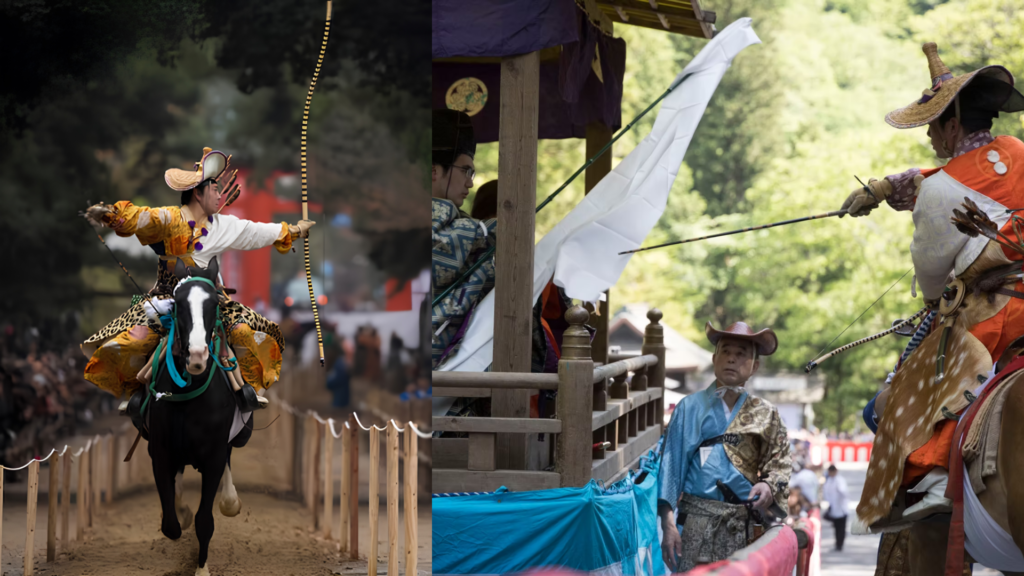
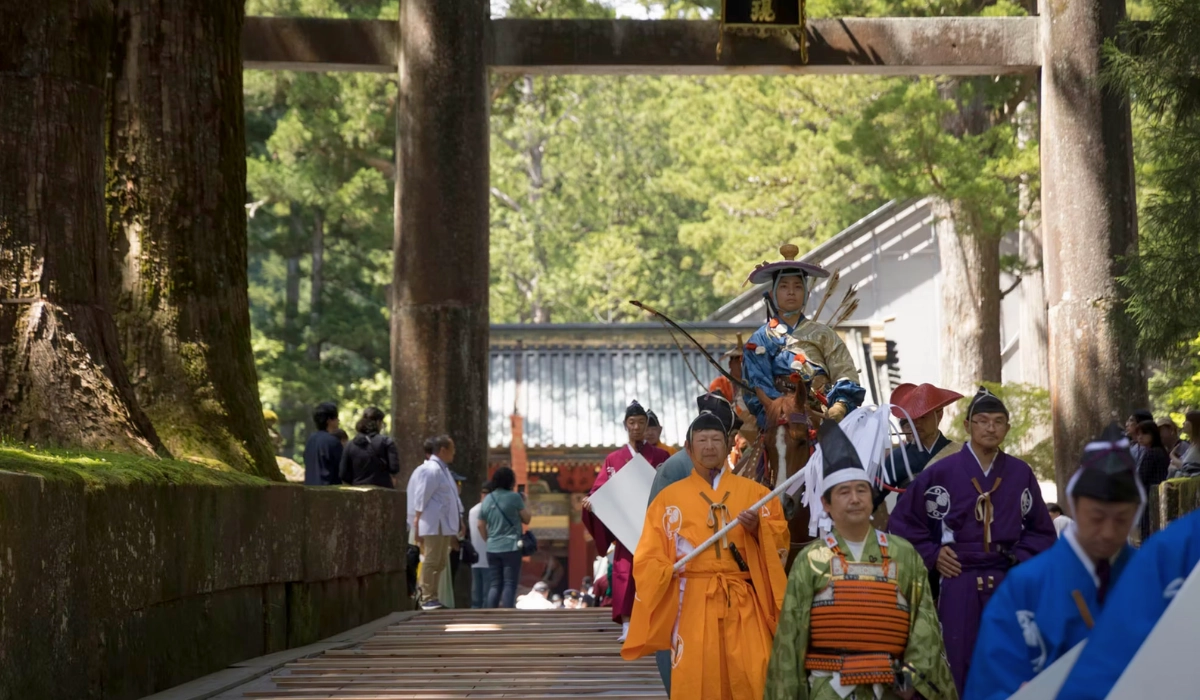
[Shogun Stables](https://www.shogunstables.com/ja)[, Yabusame Experience (2026)](https://www.shogunstables.com/ja), spread featuring mounted archery at Nikko. Image courtesy of Shogun Stables.

At the Shogun Stables in Nikko, Toshigi Prefecture, visitors will get the chance to learn about the ways of the samurai — and try them out for themselves. These include not just getting to test yourself in martial arts, such as Kuruma-ryu swordplay, kyudo archery (and even yabusame horseback archery) and Tendo-ryu Naginata lancing (refined by women of the samurai class), but also flower arrangement, incense arts, and Noh theatre. Excitement meets refinement in this program.

Temple Stay

2 Tile Thumbnail
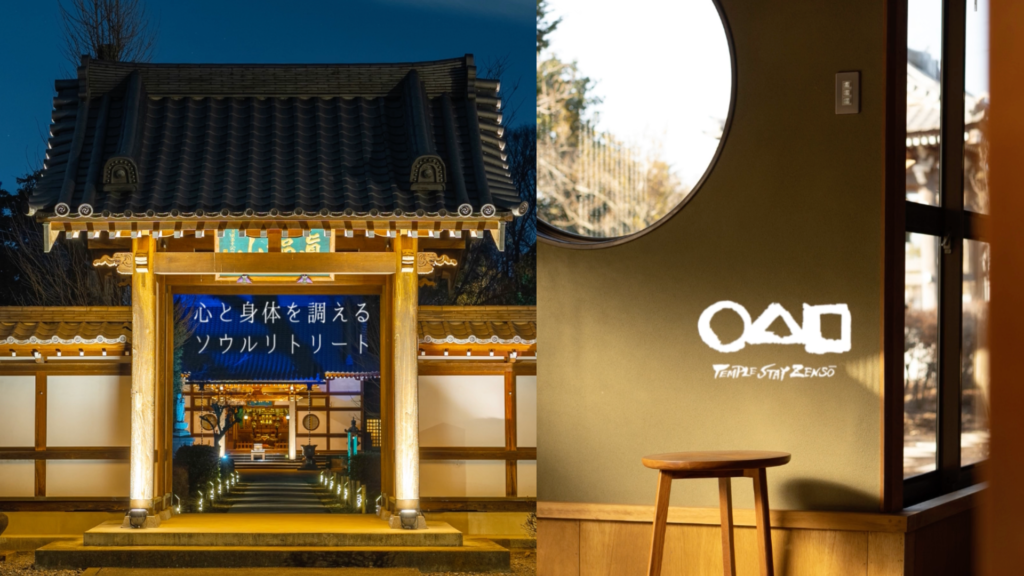
Zenso Horinji. (2026). Composite image of Temple Stay Zenso: Illuminated temple gate at night (left) and interior guest room view with logo (right) [Photographs]. Zenso Horinji. https://zenso.horinji.or.jp/en/

Spend the night at TEMPLSTAY ZENSO in Gunma Prefecture. In this tranquil and spiritual place, you can take part in Zazen meditation (a form of sitting meditation, during which one can attain calm and clarity), copy Buddhist sutras through calligraphy, and take part in early morning Sutra chanting ceremonies. By taking part in these practices, you may come to better understand the fifth Tokugawa Shogun, Tsunayoshi, who was known for his love and consideration of animals, especially dogs.

Togakushi Kodo “Old Road”

2 Tile Thumbnail 1
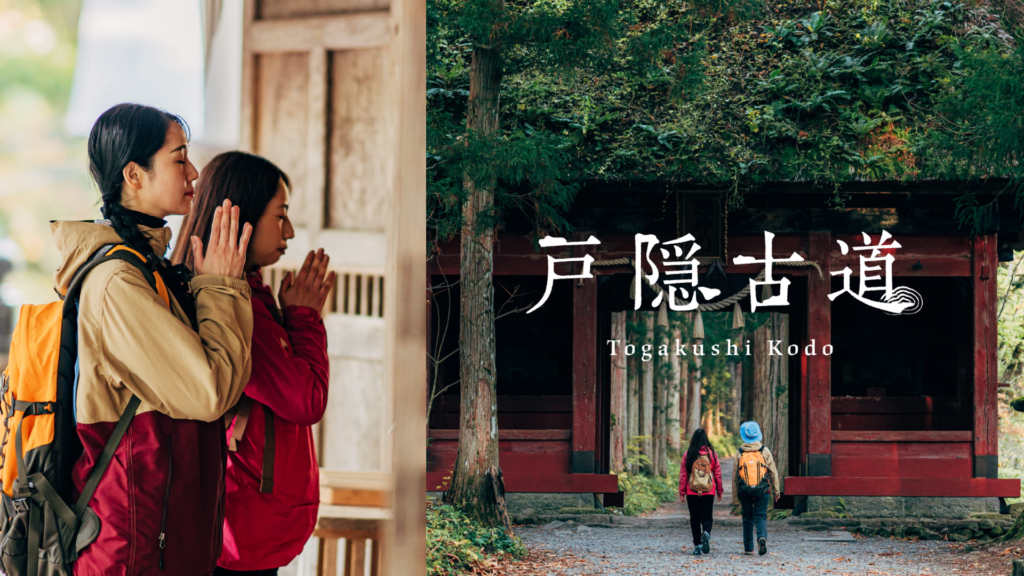
Togakushi 21. (2026). Composite image of Togakushi Kodo: Hikers praying at a shrine (left) and walking through the Zuishinmon gate (right) [Photographs]. Togakushi 21. https://togakushi-21.jp/en/kodo/

In Nagano Prefecture, explore Mt. Togakushi, one of the most sacred mountains in all of Japan, and has been associated with many of the country’s creation myths. The “Old Road,” or “Kodo” is a pilgrimage path that takes explorers from Zenkoji Temple to the inner shrine of Okusha at the base of the mountain. You’ll see sights such as the remains of Ichinotorii, the first gate of the trail, destroyed by an earthquake in 1847; the Fushiogamisyo, an ancient viewing point, now enveloped by a lush woodland; and Suzuriishi, a stone named for a calligraphy inkwell, and which has incredible views of the northern Japanese Alps. Along the way, you’ll discover plenty of stops for food and souvenirs.

Chichibu’s Weaving Story: A Journey of Tradition and Festival

2 Tile Thumbnail 5
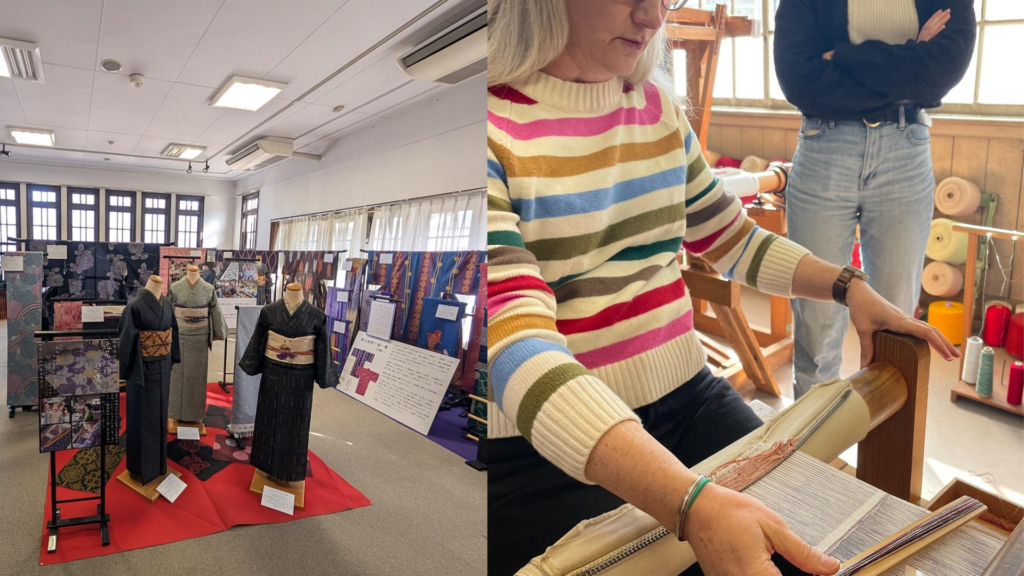
Viator, Silk Coaster Crafting and Night Festival at Chichibu Matsuri Kaikan (2026), spread featuring Chichibu-meisen weaving experience. Image courtesy of Viator.

Chichibu, in Saitama Prefecture, is known for its silk farming, and so has been affectionately nicknamed as the “silkworm” of Japan. For over 300 years, it has held a winter festival in early December, attracting visitors from Tokyo and beyond. For those visiting at another time, however, you can experience much of the town’s history and traditions by going on a tour that includes visits to the Chichibu Meisen Silk Center, where you can see century-old kimono; the Chichibu Festival Museum, where you can not only learn about the festival’s history, but also experience a virtual festival; and Chichibu Furusato-kan, where old houses and buildings still stand.

Iwabitsu Sanada Ninja Museum, “Ninpaku”

2 Tile Thumbnail 7
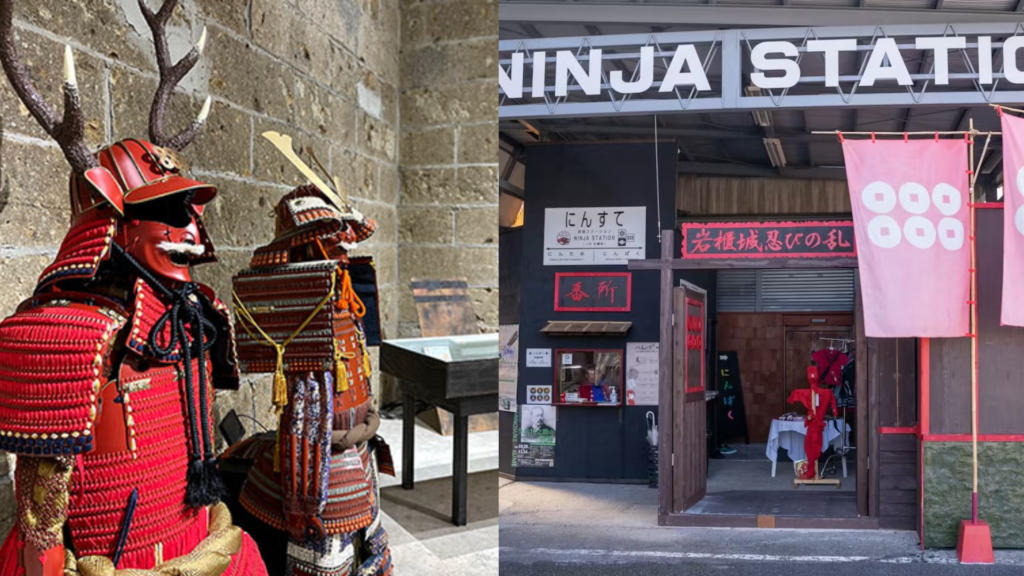
Nearby Tokyo / Trip to Japan, Iwabitsu Sanada Ninja Museum “Ninpaku” (2026), spread featuring samurai armor displays and Ninja Station entrance. Image courtesy of Nearby Tokyo / Trip to Japan.

Located in Gunma Prefecture, Ninpaku is a museum that features over 300 ninja weapons and tools, painstakingly collected over the course of 50 years. The shuriken, kusarigama, manrikigusari, and various concealed devices (mostly from the Sanada clan) are exhibited in an exhibition space that is reminiscent of a ninja armory, though with high-tech visual and audio to make the museum that much more fun to explore. There is also a “Nintame” entertainment center next door, where a number of VR games can be played, and you can even dress in ninja costumes!

"(《世界人权宣言》) Gokaido were originally created by Ieyasu Tokugawa to facilitate travel to Edo — but the Shogun himself used these same roads to travel his country, and saw the sights of the newly unified Japan. Now, they are a welcoming, LGBTQ+ inclusive window into Japan’s past. As the then vice-governor of Tochigi, Ichiro Kitamura said when introducing this project: “Along these roads, which deliver so much knowledge and unique experiences, perhaps you, too, will feel like the Shogun.”

托比亚斯从事编辑和作家工作已有十余年,最初在伦敦一家法律出版社工作,2019 年移居东京。 搬到日本首都后,他撰写或编辑了各种主题的文章,包括汽车、医药、电子游戏、经济、葡萄酒、教育和旅游。他甚至评论了日本推出的首款 CBD 啤酒! 业余时间,他喜欢看电影、玩电子游戏、唱卡拉 OK 和去当地的温泉。他最喜欢的神奇宝贝是神狐,最喜欢的食物是咖喱。他从不谈论 2008 年金融危机如何影响了现代世界的一切。
0 Comments
内联反馈
查看所有评论
0 Comments
内联反馈
查看所有评论