

For many LGBTQ+ people visiting Tokyo, Shinjuku Nichome is often the first (and sometimes, the last and only) place they think of when they think of queer Tokyo. There are, however, a number of bars and cafes across the metropolis that are outside of Japan’s gayborhood. When it comes to places for people to find information about LGBTQ+ life in Japan, there aren’t as many places as there perhaps should be.
This was changed in January, however, by Tokyo Rainbow Pride, who opened the permanent location Queer Space Tokyo! So, what is Queer Space Tokyo? Where is it? And what can you find there? Join us today on our Queer Space Tokyo quest that will clear up all your questions!
Tokyo Rainbow Pride, the LGBTQ+ OGs
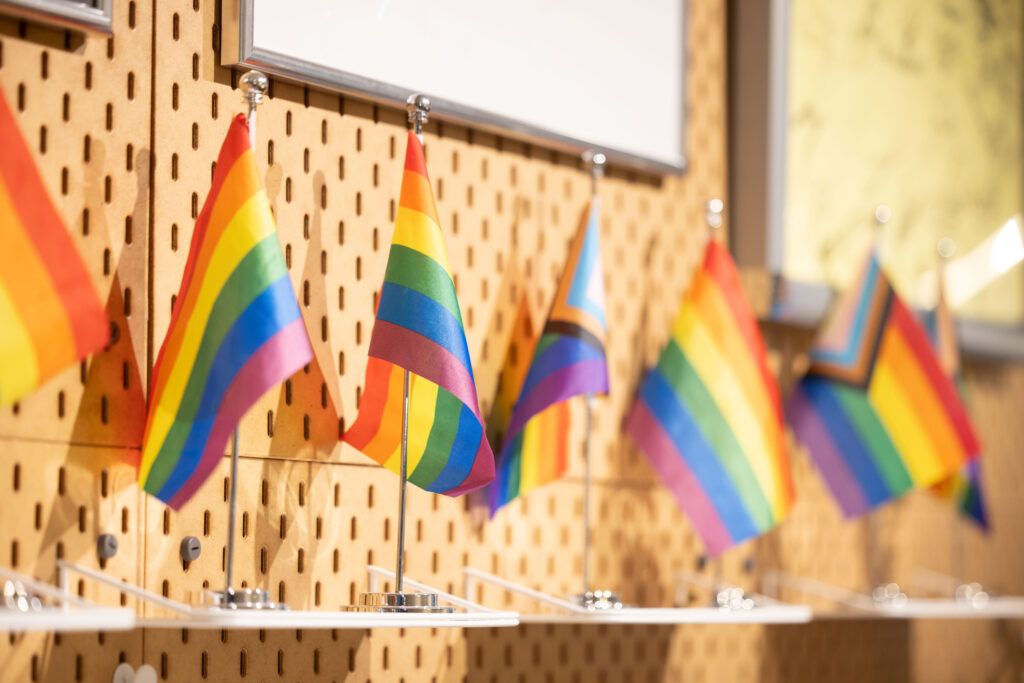
To begin with, what is Tokyo Rainbow Pride? Well, it is the organization that runs and orchestrates the annual Tokyo Pride Parade. However, it has many more responsibilities and a much higher mission than just handling the monumental task of running Japan’s premier annual LGBTQ+ event. It is a non-profit organization that aims not only to promote awareness and understanding of sexual diversity, but ultimately a society where any can live, in Tokyo Rainbow Pride’s words, “in their own way, with joy and pride.”
However, while the annual Pride Parade and festival do a lot to raise awareness and understanding, as only an annual event, there is only so much that it can achieve. That is why Tokyo Rainbow Pride decided to open a permanent space for people to visit, learn, and build connections, says the organization’s Community & Wellness Initiative Director Yu Bando Foster.
“Tokyo Pride, which our NPO organizes every year, happens only once annually. For many participants and volunteers, that meant their connections were limited to that one occasion each year,” she says. “In Japan, there are still very few places where LGBTQ+ people can casually and safely gather in their daily lives. We wanted to create a space where people could connect year-round, and where those connections could grow into a broader, stronger community.”
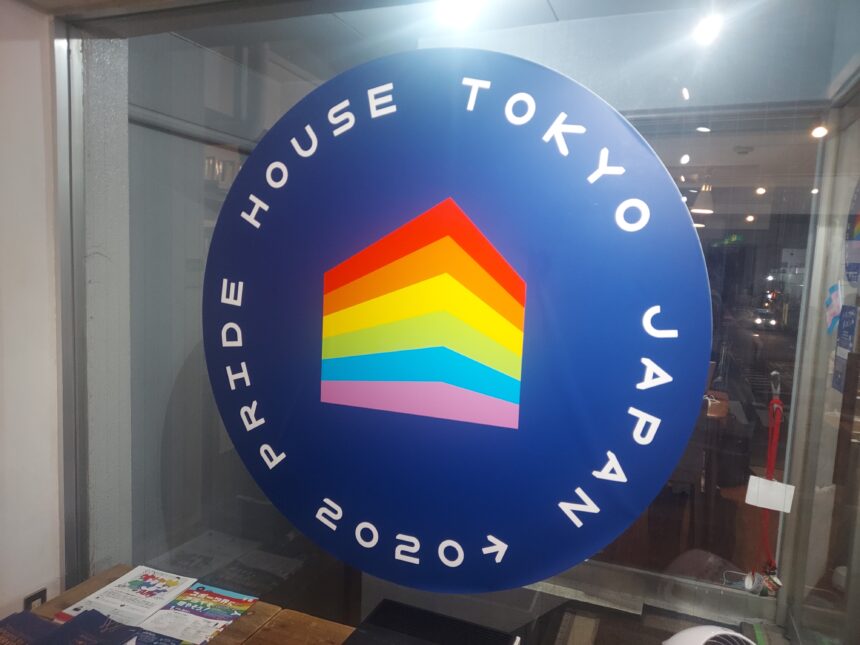
As such, the new space intends to be a part of the development of not just the queer community of Japan, but also of each visitor. That’s why its logo, and its concept as a whole, revolve around ‘stacking up the pieces of life.’
“Learning, connecting, and having conversations: each small experience and encounter becomes a piece that supports how we live going forward. We expressed this idea through a motif inspired by stacked building blocks,” says Foster.
What Guests Can Expect
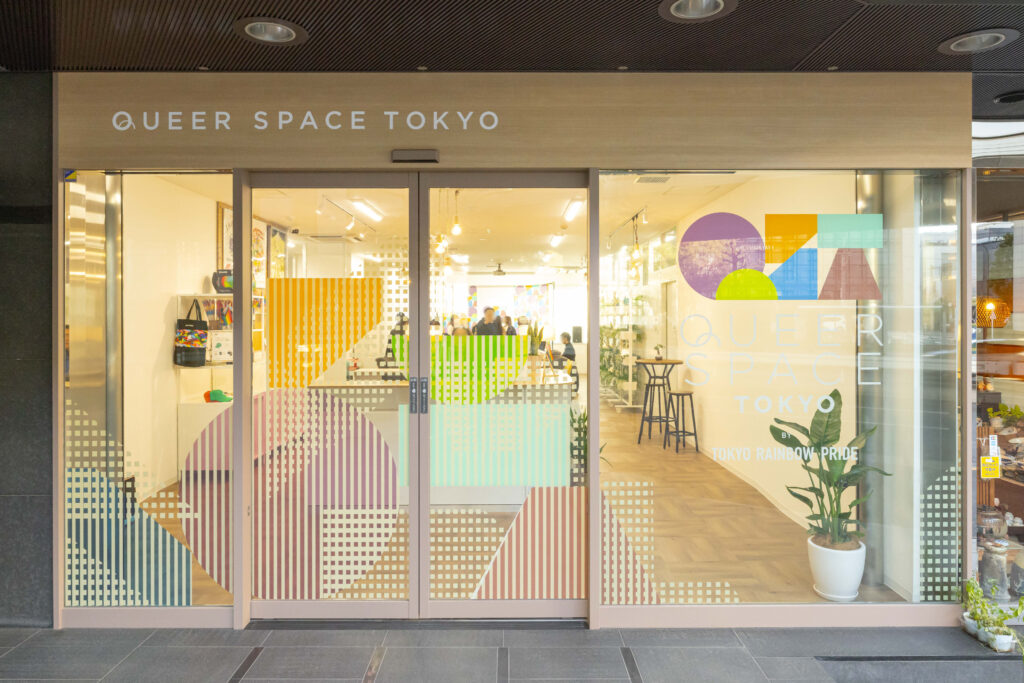
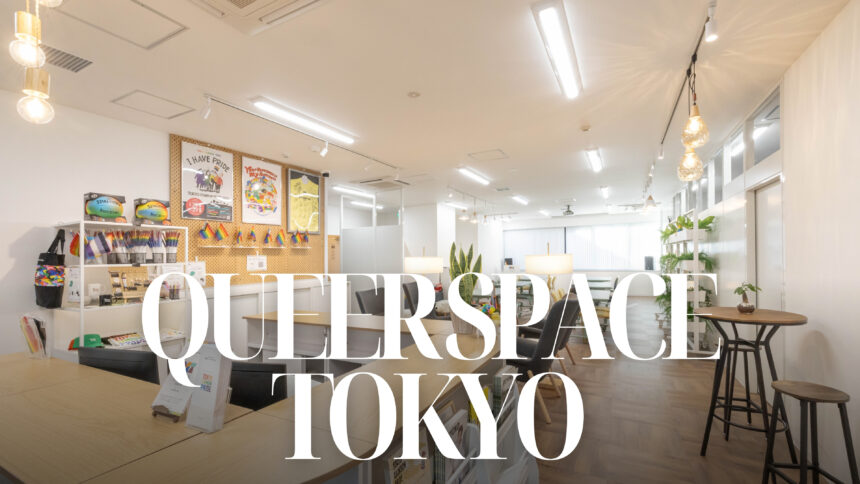
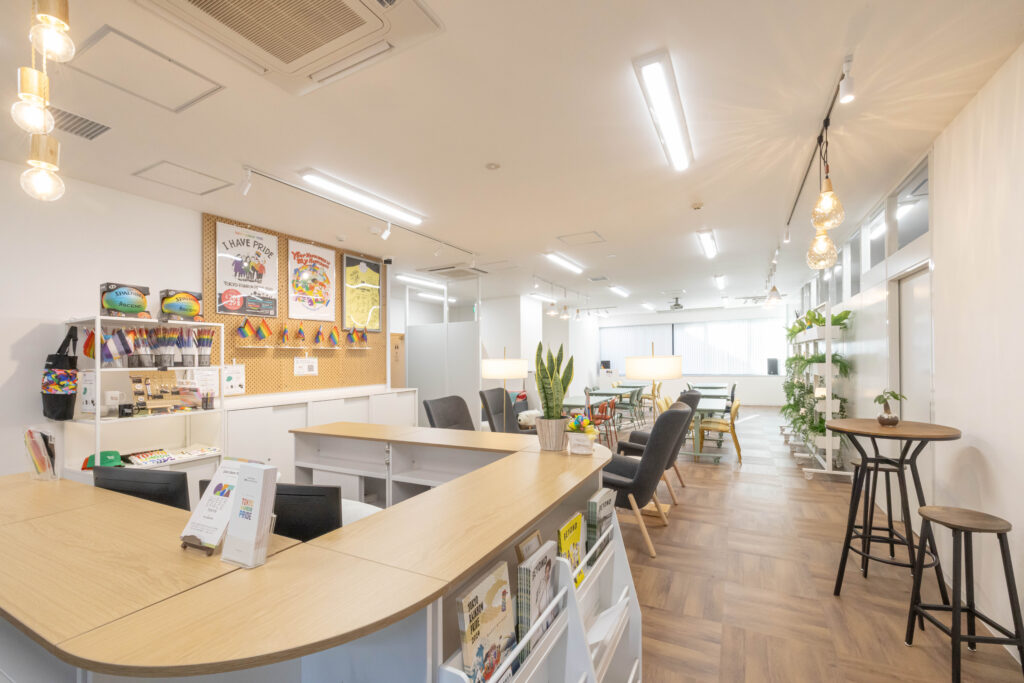
One of the things that visitors can look forward to when they arrive at Queer Space Tokyo (which is located close to Yoyogi Park, so visitors coming for the Parade can find it quickly and easily) is the extremely welcoming staff and atmosphere. Many of the staff speak English, and the facility itself has lamps which can produce light of any color of the rainbow, a cozy nook with comfortable sofas and pillows, and a number of easily moveable desks and chairs that can be used to hold meetings of any number of people.
“When designing the interior, we focused on creating a space where even first-time visitors could feel at ease. The layout is bright and open, with clear sightlines from the entrance, and includes table seating and lounge areas that can be used in different ways,” Foster explains. “Some of the interior elements and furniture were provided with the support of IKEA as donations. Visitors tend to spend time comfortably here, chatting or working together around the tables in a relaxed, friendly atmosphere.”
The way that the furniture can be easily moved also means it is perfect for protecting visitors’ privacy. This is important for many people in Japan, some of whom may not yet be out. But as soon as you walk in, you get the sense that Queer Space Tokyo is a place that is relaxing for those who are already out, and safe for anyone who have yet to take that step.
Community Outreach
In addition to being a place where queer people can meet and connect with like-minded people, Queer Space Tokyo has committed itself to offering a number of programs that can help educate and connect LGBTQ+ people living in Japan. These include QST College, an educational initiative to help people navigate queer life in Japan.
“QST College is a lecture series featuring instructors with diverse expertise who are actively working within the LGBTQ+ community,” Foster says. “In Japan, understanding of LGBTQ+ issues, human rights, and related social challenges is still limited. These topics form an important part of the program. For example, in January we hosted a session on LGBTQ+ human rights advocacy; in February, a workshop on what individuals can do when facing prejudice or discrimination; and in March, we plan to offer a session focused on the internet and social movements.”
Additionally, it offers lessons on financial planning and other practical social issues, which can be fraught for many LGBTQ+ people in Japan, as without marriage equality, many basic rights that are extended to straight couples, as Yu explains.
“There are many financial seminars and consultation services available, including insurance and asset management. However, for LGBTQ+ people, seeking advice often requires first coming out — for example, explaining that one’s partner is the same gender, or that one plans to live alone. In some cases, advisors may assume a future that includes heterosexual marriage and children, which can feel alienating.
“We wanted to create a space where people can learn without pressure to come out, and where they can feel safe discussing their own situations. For instance, same-sex marriage is still not legally recognized in Japan, yet many social systems are built on the assumption of marriage and traditional family structures — such as social security, taxes, and inheritance. This program helps participants think about life planning in ways that fit their own realities.”
It also offers queer-friendly English lessons, where an experienced teacher gives classes that are tailored to teaching English in a way that is not just educational, but also puts students at ease.
“In many standard English conversation classes, topics often include casual questions like, ‘Who did you go out with this weekend?’ These kinds of conversations can unintentionally create pressure to come out, or make people feel uncomfortable,” Foster tells us.
“Our classes aim to remove that pressure and create a safe learning environment. Participants also learn about inclusive language and microaggressions, helping them build cultural understanding and a sense of balance in communication. This is something we feel Tokyo Rainbow Pride is uniquely positioned to offer — and our students always tell us that they love how fun and filled with laughter our classes are!”
A Piece of Queer Japan
In addition to being the newest LGBTQ+ hub for communication and learning, Queer Space Tokyo is the only place where you can purchase coveted Tokyo Pride merchandise all year round, not just at the June Parade. These include T-shirts, bracelets, files, mugs, hats, flags, keyrings, and even basketballs!
You can also take the time to sit down and read queer Japanese literature. While the majority of books in the library are in Japanese, there are English-language books as well, so you can return to your home — whether in Japan or abroad — with a piece of LGBTQ+ Japan in your heart, as well as in your bag.
And this is far from the end: Queer Space Tokyo has had an extremely strong start, but it still has a number of ambitions to fill:
“We’re planning to host more events focused on connection and interaction. Learning is important, but so is simply having opportunities to meet and connect with others,” Foster says.
A visit to Queer Space Tokyo is not just a chance to make new friends, take home a piece of Japan’s unique queer culture, or even get a language lesson. It is an opportunity to add a piece to the stack of your beautiful LGBTQ+ life.
In addition:
Queer Art Exhibition:
This year’s Queer Art Exhibition will be held at Queer Space Tokyo!
Please be sure to check the event schedule before visiting.
Please note that the space may be temporarily closed while classes or programs are being held.
You can view the full schedule here:
How to Get There
Address:
〒107-0062 東京都港区南青山7-10-3 南青山STビル1F
7-10-3 Minami-Aoyama, Minato-ku, Tokyo 107-0062
Minami-Aoyama ST Building 1F, Japan
Access info:
1-minute walk from the Toei Bus stop “Minami-Aoyama 7-chome”
From Roppongi Station
By Toei Bus: 8 minutes / On foot: 15 minutes
From Shibuya Station
By Toei Bus: 12 minutes / On foot: 20 minutes
From Omotesando Station
On foot: 15 minutes