
Synopsis
What does it mean to love someone? For some, the answer might be, “I would die for them.” But would you kill for someone you love?
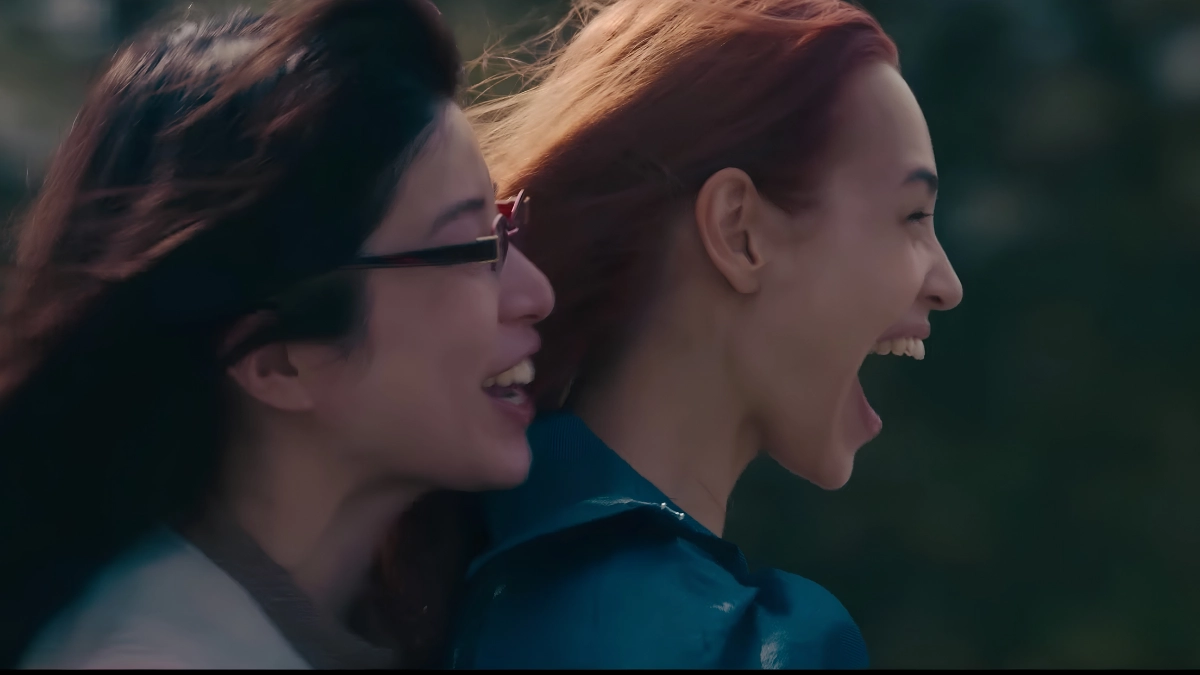
On April 15, 2021, Netflix released the Japanese lesbian drama Ride or Die, starring model and actresses Kiko Mizuhara and Honami Sato. The film tells the story of Rei Nagasawa, a free-spirited woman raised in a wealthy family, and Nanae Shinoda, her beloved who is tragically trapped in a brutally abusive marriage.
When Rei learns about the severe domestic violence Nanae has been enduring, she takes action: she kills Nanae’s husband in order to save her. With nowhere left to go, the two women go on the run. As fugitives, they struggle with guilt and the weight of their actions, yet they cling to the fragile happiness they find in each other.
Behind the scenes
Director Ryuichi Hiroki has said that it wasn’t easy to bring the original story from the page to the screen.
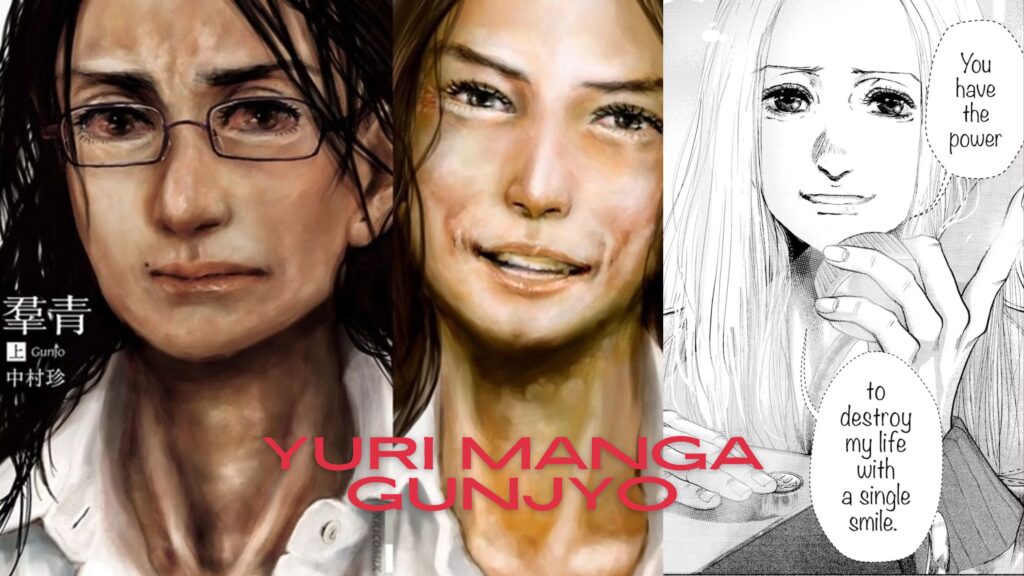
The film is based on Gunjō, a manga known for its intense emotions and psychological depth. Hiroki admitted that capturing the raw complexity of the source material was a real challenge.
At the same time, he revealed that the roles gradually became something only these two actresses could embody. As filming progressed, they immersed themselves more and more deeply into their characters.
According to Hiroki, their connection extended beyond acting. Even off-camera the two would hold hands and embrace, growing closer both physically and emotional, to the point that it became hard for them to separate their personal lives from their roles.
The Roots: The Original Manga and Its Critical Reception
More than anything, this film quietly makes you pause and reflect about the inner conflicts we carry throughout our lives, and about what it really means to love someone.
The original manga that inspired the movie sparked intense debate when it was released, earning both acclaim and criticism for its provocative premise: a woman who allows a lesbian admirer to kill her abusive husband, and a woman who commits murder for the sake of the woman she loves. Some readers saw it as a ruthless portrayal of women pushed to emotional extremes.
But this isn’t just a “lesbian movie.”
At its core, it’s a story about love and how complicated, contradictory, and painfully human love can be. Love is a pure emotion, yet that very purity can reveal the darkness within someone. The film makes you wonder: “How far could I go for someone I love?”
Personally, your soft-hearted writer couldn’t conceive of committing murder for love, nor exploiting someone’s sexuality: it feels to me to be one of the most disgraceful and ugly things a person could do. And yet, within this story, you see flashes of passion in the emotional tug-of-war between the two women.
Many beautifully crafted scenes capture their personalities with striking clarity: Nanae is unable to be honest with her feelings, while Rei is almost frighteningly devoted to the woman she loves. Then, as time passes, you see them slowly lean toward each other, finding comfort and connection despite everything.
Perhaps true beauty shines brightest precisely because it exists alongside ugly desires and painful truths. Even while focusing on sapphic romance, the film ultimately feels like a deeply human story about love: messy, flawed, and achingly real.
Domestic Violence and the Gender Gap in Contemporary Japan
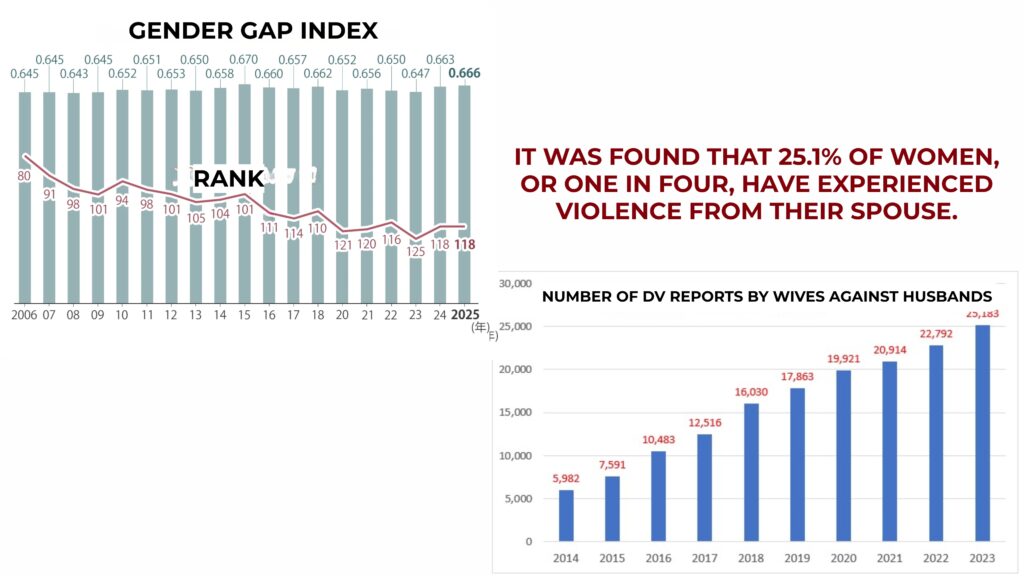
Finally, I want to touch on the issue of domestic violence (DV), which is also portrayed in the film.
Sadly, cases of DV in Japan have been rising year after year. According to the National Police Agency, the number of reported cases reached 94,937 in 2025: the highest figure on record. That means roughly one in four women has experienced some form of domestic violence.
Of course, there are male victims as well, and their experiences should not be overlooked. However, the number of female victims is significantly higher.
Japan’s gender gap situation also reflects this broader issue. In global rankings, the country placed 118th out of 148 nations an alarmingly low position for a developed country.
It’s important to remember that violence isn’t limited to physical abuse. It also includes psychological, economic, and sexual abuse. These are not realities we can afford to ignore.
It’s true that compared to the past, society in Japan may have become a place where women feel more able to speak out. But this must only be the beginning. Achieving true equality remains a difficult challenge.
That’s why knowing your options, knowing where you can turn and how to protect yourself is so important in today’s society.
For those in Japan who need help, support is available:
Spousal Violence Support Center (Japan)
DV+ Consultation Hotline: 0120-279-889
(Available 24 hours a day, with multilingual support)
If you or someone you know may be in danger, reaching out for help can be the first and most important step.