


Yes, gender-affirming surgery is available in Japan. As with gender-affirming surgery in any other country, though, there is a lot that you should know before taking this next step on your journey.
There are many different providers of gender-affirming surgery. Each one will have different policies regarding what procedures are available, eligibility, required documentation, costs (including whether or not health insurance can be used), and language support.
We’ve curated a set of provider pathways to give you an impression of what you can expect. You should not consider this article to be an exhaustive directory of everything available when it comes to gender-affirming surgery in Japan. The article is primarily aimed at residents of Japan, though we’ll also cover some things international non-residents should be aware of. You should always personally confirm matters like eligibility and requirements with your medical provider.
Which Gender-Affirming Surgeries Are Available in Japan?
A wide range of gender-affirming procedures are available in Japan.
Genital gender-affirming surgery is available in Japan. There are several different procedures, which vary depending on your assigned gender at birth.
Mastectomy is also available in Japan. This involves the removal of breast tissue, in this instance usually for assigned female at birth (AFAB) people who are uncomfortable with the presence of breasts.
You can also have breast augmentation surgery. For our purposes, this is an option often taken by assigned male at birth (AMAB) people in transition.
Facial feminization surgery is done to feminize someone’s facial features, usually for AMAB people.
Voice surgery is also an option in Japan, with procedures that can make someone’s voice higher or lower in pitch. Tracheal shave surgery, which reduces the size of the Adam’s apple, is also available.
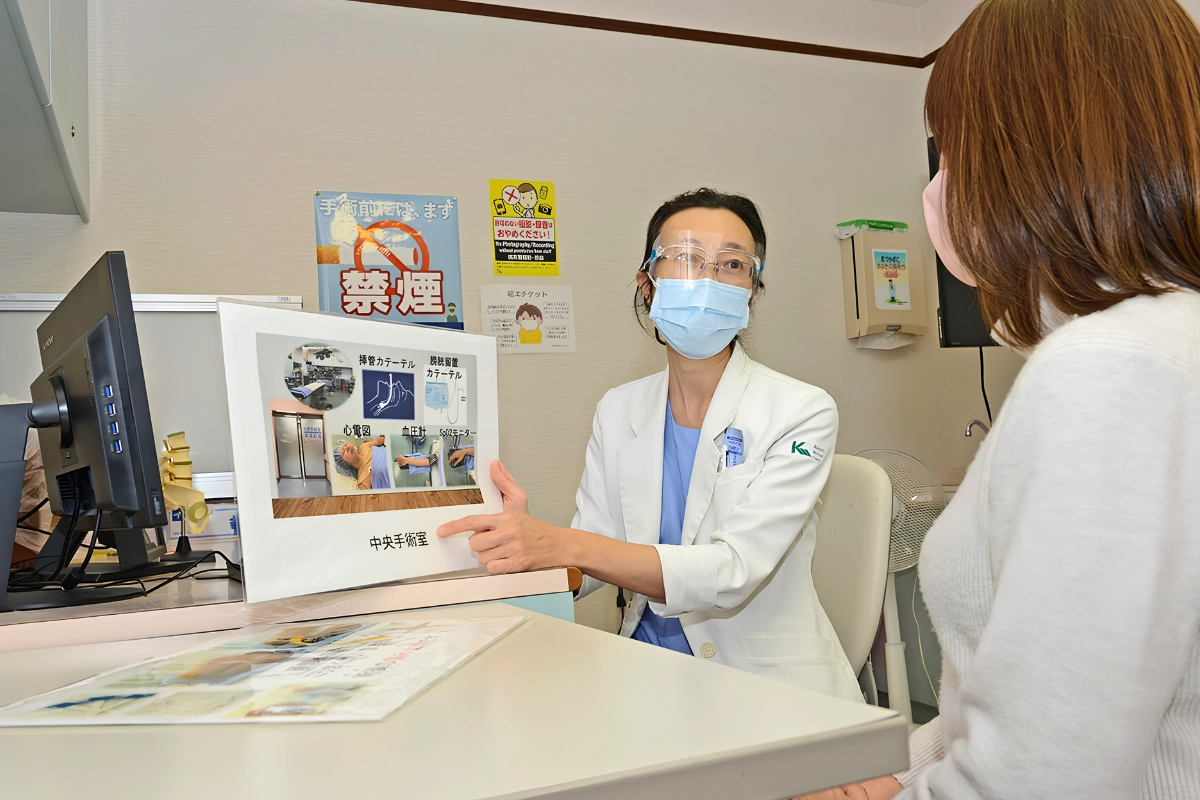
One thing to be aware of is that, although the Guidelines for the Diagnosis and Treatment of Gender Incongruence use the terms “gender incongruence” and “gender-affirming surgery,” you may encounter outdated expressions like “gender identity disorder” and “sexual reassignment surgery” from individual providers. You may also encounter terms such as “MtF” and “FtM” (“male to female” and “female to male,” respectively).
Bottom Surgery in Japan
Genital gender-affirming surgery, known colloquially as “bottom surgery,” includes feminizing genital surgery for AMAB people. This can involve removing the penis and testes, as well as creating a vulva. There are different methods, including laparoscopic vaginoplasty and penile inversion, so check which treatments your provider offers.
AFAB people can receive a hysterectomy, which is the removal of the uterus; oophorectomy, the removal of the ovaries; and phalloplasty, the creation of a penis.
The pathway to receiving these surgeries can also differ. For example, Kyorin University Hospital requires approval from a review committee before allowing genital gender-affirming surgery for AMAB people. Gyotoku General Hospital, which performs gender-affirming surgery for AMAB and AFAB people, requires external approval.
Top Surgery in Japan
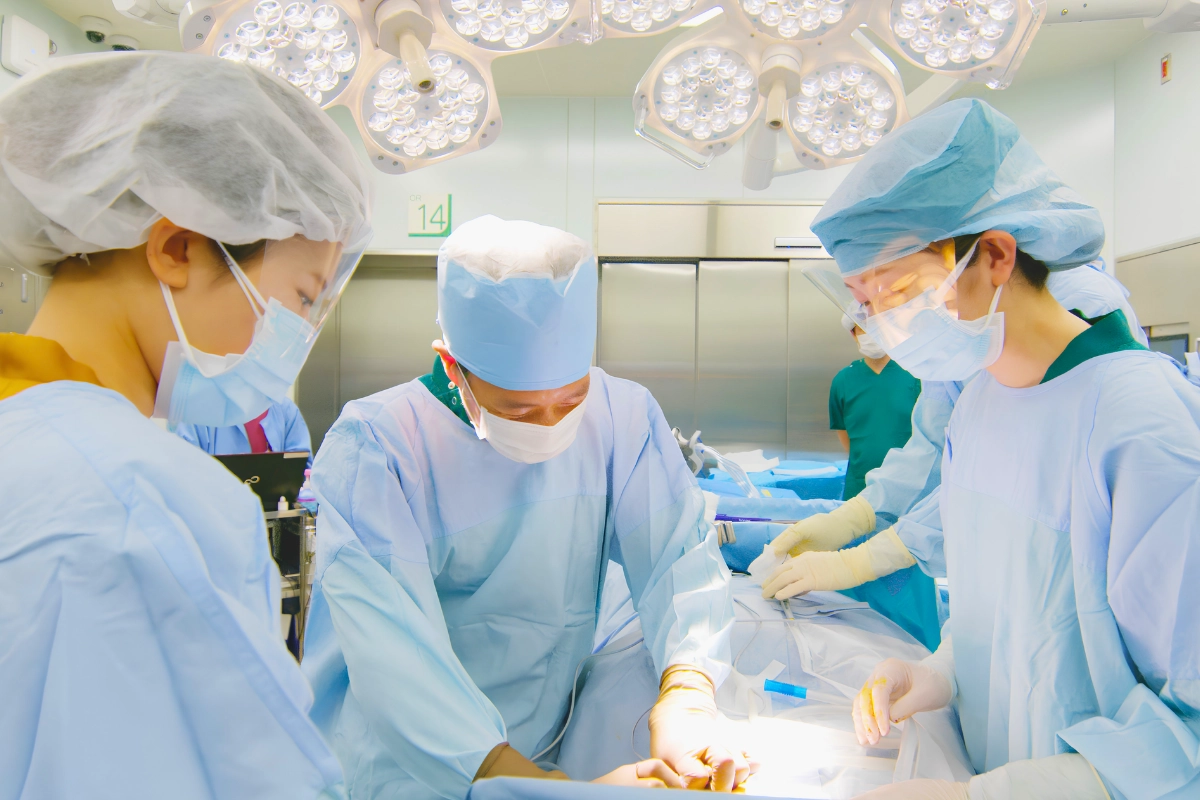
A mastectomy, commonly called “top surgery” in English, can be performed on transgender people in Japan. Japanese providers may also use terms such as chest surgery or mammary-gland removal.
The Japanese Society of Gender Incongruence recommends that patients obtain a certified diagnosis of gender incongruence. However, some providers interpret this differently. Jiyugaoka MC Clinic considers certification to be more for the protection of the doctor performing the mastectomy and can perform top surgery without a certificate. Gyotoku General Hospital, by contrast, requires a diagnosis.
Your mastectomy may also be covered by your health insurance. Check with your provider to be sure.
Where to Get Gender-Affirming Surgery in Japan
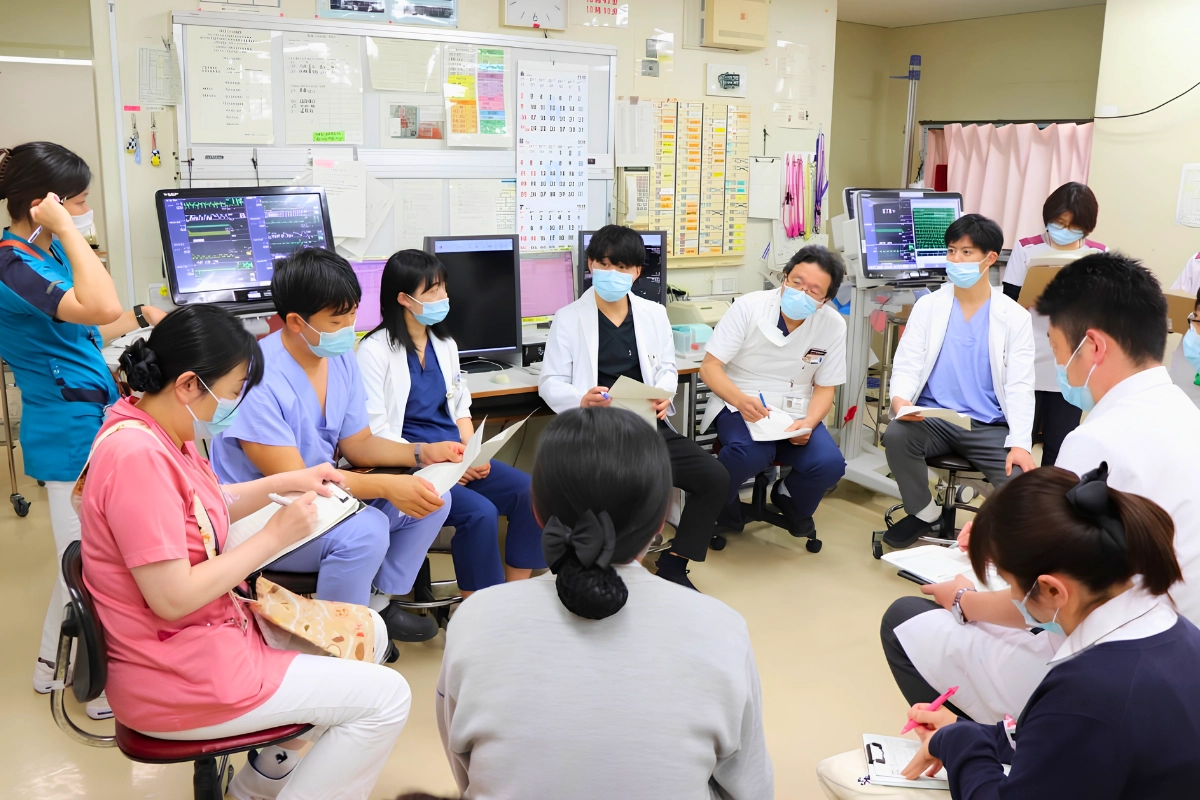
There are several places you can go for gender-affirming surgical care in Japan. The providers below give an idea of some of the different care pathways available.
Kyorin University Department of Plastic Surgery
Kyorin University Hospital in Mitaka, Tokyo, offers a broad range of services for anyone seeking gender-affirming surgery in Japan’s capital. It offers genital-affirmation surgery, mastectomy, breast augmentation surgery and facial feminization surgery.
It treats patients from initial consultation through to surgery. Its multidisciplinary team works according to the Japanese Society for Gender Incongruence to decide on the suitability of physical treatment. Genital-affirmation surgery and mastectomy are therefore provided only to those who have received approval from the hospital’s review committee. Whether you can use insurance will depend on your particular situation.
Gyotoku General Hospital Gender Center
This Ichikawa, Chiba Prefecture-based hospital also offers a wide range of gender-affirmation procedures. For AFAB patients, it provides laparoscopic hysterectomy/oophorectomy, mastectomy, and phalloplasty surgery. For AMAB patients, it offers vulvar feminization surgery and vaginoplasty.
It makes its fees very clear, which is useful to those for whom pricing is an issue. However, because the hospital does not have its own psychiatric department, external approval for gender-affirming surgery is required.
Okayama University Hospital Gender Center
This Okayama-based hospital’s gender center offers a multidisciplinary approach to gender-affirming care. Its neuropsychiatry, plastic and reconstructive surgery, urology, and obstetrics and gynecology departments all work together to provide the care the patient needs.
The surgeries themselves are performed at other hospitals, and approval is a multi-step process that requires several visits.
Jiyugaoka MC Clinic
This clinic, which specializes in gender incongruence issues, has performed over 2,300 chest surgeries over the course of 17 years. It is notable for not requiring a certified gender incongruence diagnosis for top surgery. It also explicitly notes non-binary (X-gender/FtX) people as potential recipients of top surgery.
Metropolitan ENT Surgery Clinic Tokyo
This clinic offers surgery to transgender people to help their voice better match their gender. This includes surgery to make the pitch of a voice higher or lower. It also offers tracheal shave surgery to permanently reduce the size of the Adam’s apple.
Insurance, Self-Pay and Surgery Costs
Understanding what is and is not covered by Japanese insurance can be complicated. In short, qualifying gender-affirming surgery can sometimes be covered by insurance. However, people undergoing HRT may find that Japan’s rules on mixed medical treatment mean they need to pay for surgery entirely out of pocket. Your provider will need to confirm what applies in your particular situation.
Health insurance has been permitted to cover qualifying gender-affirming surgery since 2018. However, hormone replacement therapy (HRT) is still not covered by Japanese health insurance as of September 2026. If you are undergoing HRT and want to receive gender-affirming surgery, the combination can therefore count as what is called “mixed medical treatment.”
In Japan, there is a general principle against mixing treatments paid for out of pocket with those paid for by insurance. It is something of an “all-or-nothing” approach: if part of your treatment must be paid for out of pocket, in principle you must pay for the whole course of treatment out of pocket.
This generally means that people undergoing HRT will need to pay for much of their gender-affirming surgery themselves. This approach is used at both Gyotoku General Hospital and Kyorin University Hospital. As this is a general principle, ask your provider what applies in your particular situation.
Prices
To give a sense of how much you can expect to pay for surgery, let us use Gyotoku General Hospital and Kyorin University Hospital as examples. The costs below are not an average across Japan, nor are they a complete price guide to every procedure. They are examples of prices without insurance coverage.
For a mastectomy, Gyotoku General Hospital charges ¥748,000, including the stay at the hospital. At Kyorin University Hospital, the same procedure costs ¥900,000.
When it comes to feminizing bottom surgery, Gyotoku General Hospital charges ¥2,530,000 for vulvar feminization + laparoscopic vaginoplasty using the peritoneal method. At Kyorin University Hospital, feminizing gender-affirmation surgery with vaginoplasty costs ¥1,980,000, plus a ¥33,000 pre-operative examination.
Eligibility and Documentation: What Varies by Provider
Eligibility and documentation requirements vary depending on the provider and procedure. There is no single set of requirements for every provider, so take the examples below as an idea of what you might encounter rather than hard and fast rules.
Some hospitals use formal approval committees to determine eligibility for care. Kyorin University Hospital, for example, requires approval from its review committee for genital gender-affirming surgery and mastectomy.
Other providers require approval from outside the hospital. Gyotoku General Hospital does this because it does not have its own psychiatric department.
Some places use a multidisciplinary approach to determine which treatments may be appropriate. You may also find providers that do not require gender incongruence certification for every procedure. Jiyugaoka MC Clinic, for example, does not require a certified diagnosis to perform top surgery.
The important thing is to confirm the documentation and approval process for your specific procedure directly with the provider before beginning the process.
Language Support and Access for International Patients
Eligibility and language support are two separate issues. Anyone who cannot speak Japanese should make sure they have adequate language support before and after any gender-affirming surgery. International non-residents should also check whether they are eligible for care with their chosen provider.
Some hospitals, such as Okayama University Hospital, provide medical interpretation for patients, as well as procedures for patients arriving from outside Japan. This is important because some providers distinguish between international residents of Japan and non-resident international patients.
If coming from overseas, do not assume that having access to an interpreter means your application process will be the same as it is for residents. Likewise, an English-language website does not necessarily mean that English-language support will be available during your care.
Planning for Waiting Times and Recovery
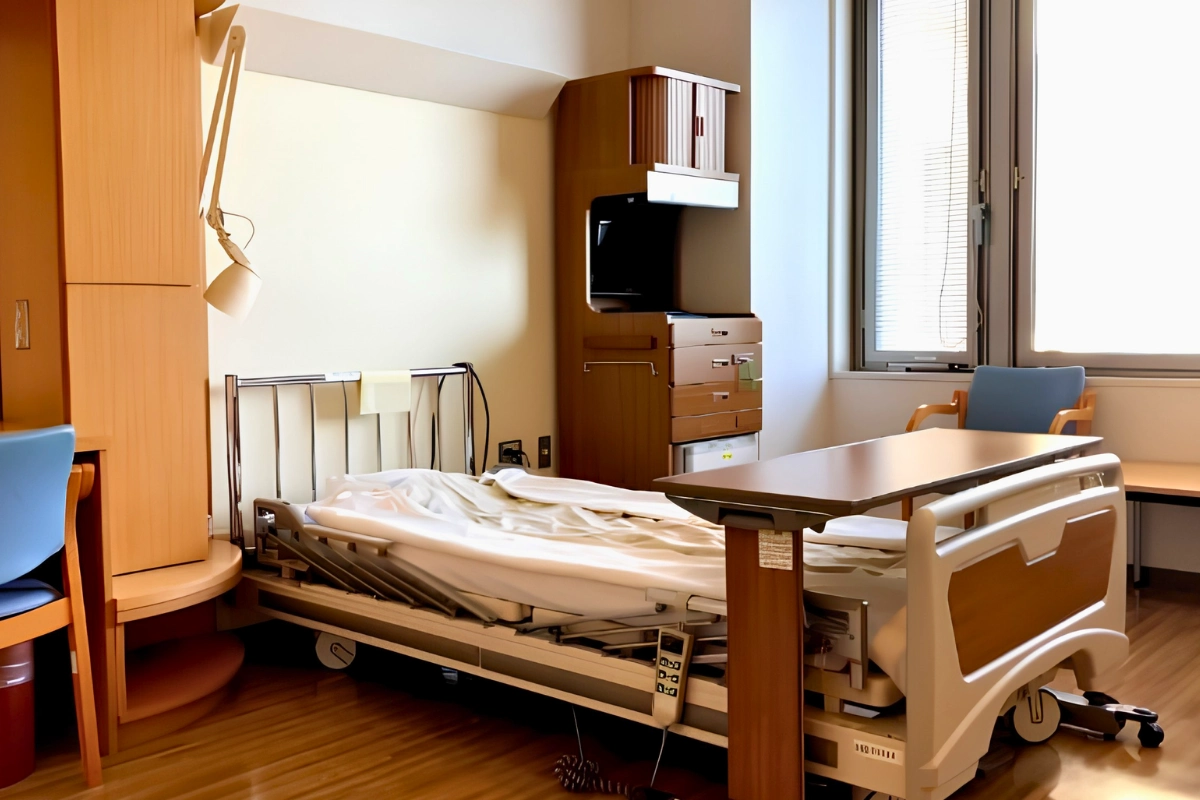
Depending on the provider and procedure, gender-affirming surgery in Japan can involve a lengthy process. Before surgery, you may need several consultations, assessments, and preoperative tests. Okayama University Hospital, for example, estimates that patients may wait roughly two years before surgery with them.
You should also bear recovery time in mind, as these are major surgeries. Both Gyotoku General Hospital and Kyorin University Hospital list hospitalization periods of seven to eight days after a mastectomy and 14 days for bottom surgery. You will also need follow-up visits to make sure your recovery is going smoothly. Follow any specific recovery instructions from your medical provider.
Transportation is another thing to consider. You may need some help moving medium-to-long distances even after discharge.
What to Confirm Before Booking Surgery in Japan
Let’s go through one last checklist of the things you should confirm before beginning this step on your journey.
- Eligibility
- Documentation
- Is your treatment insured, or do you have to pay out of pocket?
- Estimated total fees
- Language or interpreter arrangements
- Consultation and surgery timeline
- Follow-up and provider-specific recovery instructions
Need information about HRT in Japan? Click here!
💡 Japan Gay Guide is not affiliated with any of the clinics listed in this article.